




Buy your weekday smoothies and get your weekend ones for free. (7 for the price of 5!)
WELLNESSWEEK
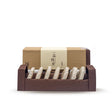
Taste a few styles before you commit to a full cake.
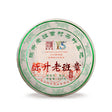
Reliable cakes to brew at home, morning to evening.
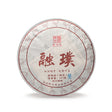
Old-arbor single-origin cakes and aged pu-erh to drink or keep.
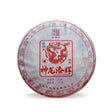
The house blends and annual releases Chen Sheng Hao is known for.


陈升号 · Newsletter
Join our newsletter and we'll send you four short letters, a few days apart:
After that, you'll be the first to hear about new teas and limited releases.
陈升号 · Newsletter
Your first letter, the story behind our tea, is on its way. If it isn't in your inbox in a few minutes, please check your Promotions or Spam folder.

You can age raw pu-erh at home with a quiet, dark spot, a simple container and patience. The aim is steady conditions: about 20–25°C (68–77°F), 60–70% relative humidity, no light, no strong smells and a little airflow. The only tool you need is a cheap hygrometer to check the humidity. Here are the ten steps we suggest.
Start with raw pu-erh (sheng), not ripe. Raw tea changes the most over the years; ripe pu-erh mellows for a few years and then changes slowly. Choose pressed cakes rather than loose leaf: compression slows the changes and helps the tea age evenly.
Look for cakes with a fresh, clean aroma and plump and sturdy leaves. Avoid tea that smells musty or sour. Leaf from old-arbor trees and well-known mountains tends to give the most interesting results over time. Try a sample first so you know you like the tea young; you will be drinking it for years. Browse our raw pu-erh collection, or start with the Raw Pu-erh Tasting Flight.
Leave each cake in its original paper wrapper. The paper shields the tea from light and dust, softens changes in humidity and lets the tea breathe. It also keeps the production details with the cake. Don't seal cakes in plastic bags or airtight containers for long-term aging: pu-erh needs a little air to keep changing.
Any of these works well:
Avoid plastic, which can pass on smells, and avoid anything sealed airtight. Don't pack the container tight; leave some room for air. A sealed tin is fine for the small portion of tea you are drinking now, just not for the cakes you are aging.
Put the container in a closet, cupboard or shelf away from windows. Light, and especially direct sun, heats the tea and dries it unevenly. Keep the tea off the floor and away from outside walls, where moisture can collect. Avoid the kitchen, bathroom and laundry area because of steam and smells.
Pu-erh picks up smells easily, including from other tea. Store young raw pu-erh separately from strongly scented teas such as ripe pu-erh, chen pi (tangerine peel) pu-erh, jasmine or smoked teas. A separate box or jar for each type is enough. Keep the storage area away from perfume, cleaning products, spices and cooking smells too.
Aim for 60–70% relative humidity. Too dry, and the tea changes very slowly and can taste flat. Too damp, and you risk mold. Place a hygrometer next to your tea and check it every week or two at first, then whenever the seasons change.
In a dry home, keeping cakes together in a closed cardboard box or clay jar helps hold moisture around the tea. In a very humid home, run a dehumidifier in the room. Don't use silica gel packs: they dry the tea too much.
About 20–25°C (68–77°F) suits pu-erh, and steady matters more than exact. Choose the most stable spot in your home, such as an interior closet. Keep tea away from heaters, radiators and sunny walls, since dry heat damages it. Don't use a fridge or wine cooler: both are too cold and dry, and condensation forms when you take the tea out. In a cool winter the tea simply changes more slowly, and that is fine.
Every two or three months, open the container, gently turn the cakes and look them over. Handle them with clean, dry hands. A good cake should smell clean, and over time you will notice an aged aroma starting to develop. Fuzzy or colored spots or a musty smell mean mold: set that cake aside and don't drink it.
Write down what you store, when you bought it and where it is kept. Once a year, note the humidity range, the color of the liquor and how the bitterness, aroma and huigan have changed. A photo of the dry leaf and the liquor helps. Our pu-erh tasting vocabulary gives you words for what you taste.
Raw pu-erh changes slowly. In a stable home, you will notice the first changes after two or three years, and the tea keeps developing for decades: bitterness softens, the liquor moves from yellow toward orange-red, and an aged aroma develops. Every tea and every home is different, so there are no guaranteed results. Taste a small piece once a year rather than every few weeks.
If you buy several cakes of the same tea, drink one while young and keep the rest. Comparing them over the years is the best way to learn how your storage shapes the tea.
For more detail, read how to store pu-erh tea and how time changes pu-erh.
This article is general information about tea, not medical advice. If you're pregnant, breastfeeding, taking medication or managing a health condition, please talk to your doctor before changing what you drink.

Every tea page at cspuerh.com now has tasting reviews. Score a tea on the five factors from the Pu'er Tea Association's 2026 standard, get a weighted score out of 100, and describe it with 95 defined tasting words. Simple mode takes about three minutes.

The 95 tasting terms in the Pu'er Tea Association's 2026 quality standard, in English and Chinese — aroma, liquor color and taste, plus how the standard scores a pu'er.

What really drives pu-erh prices, from mountain fame and old-arbor leaf to processing and years of storage, and how to find good value without overpaying.

Shop our premium Pu Erh tea collection—available in both ripe and raw varieties! Pu-erh tea, a beloved fermented variety from...

Shop our Pu Erh tea collection, available in both ripe and raw varieties! Pu erh tea, with its rich history...

Shop our premium Pu Erh tea collection—available in both ripe and raw varieties! In the misty mountains of Yunnan Province,...