


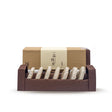
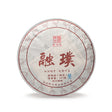
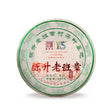
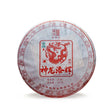






Choose raw pu-erh if you want a bright, lively tea with bitterness that turns to huigan (sweet aftertaste) and that keeps changing as it ages. Choose ripe pu-erh if you want a smooth, mellow cup that is ready to drink now. Both come from the same leaf; the difference is how the leaf is processed. Many people end up keeping both, for different times of day.
Not sure where to start? Our Find Your Tea guide asks a few questions and points you to a tea, or you can browse our raw pu-erh and ripe pu-erh collections.
Key Takeaways
- Raw pu-erh is bright and strong when young and changes slowly over years. Ripe pu-erh is smooth and mellow from the start.
- Both are brewed with water just off the boil. Control strength with leaf amount and steep time.
- Good storage matters for both, and most of all for raw tea you plan to age.
Understanding Pu-erh Tea
Pu-erh is a tea from Yunnan Province, China, made from the large-leaf variety Camellia sinensis var. assamica. It is protected as a geographical-indication product, which means it is produced in specific areas of Yunnan.
History and Origin
Pu-erh takes its name from the old tea-trading town of Pu'er. Tea from Yunnan was carried along the Tea Horse Road for centuries, and pu-erh was a tribute tea to the Qing court. Ripe pu-erh is much younger: the pile-fermentation method was developed in Yunnan in 1973.
The main producing areas today are Xishuangbanna, Pu'er City and Lincang. Many of the most sought-after teas come from old-arbor tea trees, which grow deep roots and give a strong and thick, long-lasting liquor. Read more in our guide to the main origins of pu-erh.
Processing Methods
Raw and ripe pu-erh start the same way. The fresh leaf is withered, pan-fired to stop oxidation ("kill-green"), rolled and sun-dried. The result is called maocha.
Raw pu-erh (sheng):
- Maocha is steamed and pressed into cakes, bricks or tuocha.
- The tea then ages slowly over years and decades.
Ripe pu-erh (shou):
- Maocha is moistened and piled so it ferments under controlled heat and humidity. This is wo dui (pile fermentation), and it takes about 45–60 days.
- The leaf is then dried, sorted and pressed.
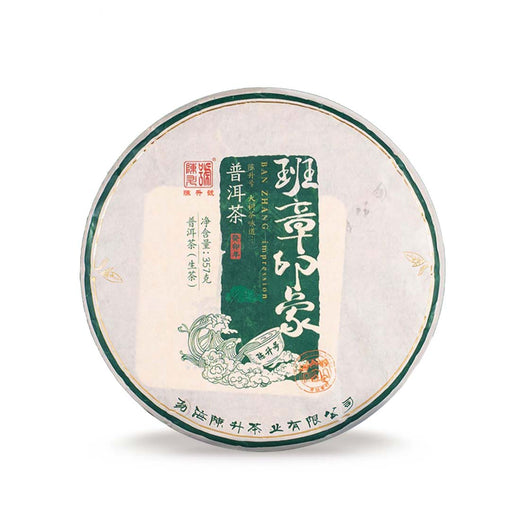
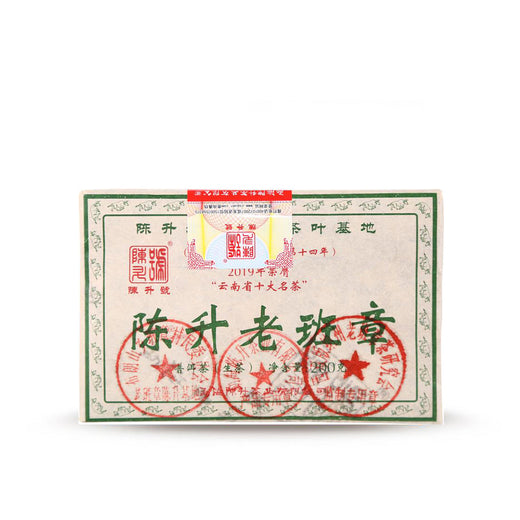
Both types are pressed into shapes such as cakes (bing cha), bricks (zhuan cha) and bowl-shaped tuocha. See our guide to pu-erh shapes.
Cultural Significance
In Yunnan's tea mountains, peoples such as the Dai, Hani and Bulang have grown and processed tea for generations. Pu-erh is closely tied to gongfu brewing, where a small pot or gaiwan and many short infusions let you follow how the tea changes from cup to cup.
Aged pu-erh can be expensive, and some people collect it. We make pu-erh to be drunk, though, not as an investment: prices are not guaranteed to rise.
Defining Raw and Ripe Pu-erh
Raw Pu-erh Characteristics
Raw pu-erh is pressed straight from sun-dried maocha, with no pile fermentation. Young raw tea gives a yellow to pale yellow liquor, fresh aroma and noticeable bitterness and astringency. In good tea, the bitterness turns quickly into huigan and salivation.
Over years of good storage, the bitterness softens, the liquor turns from yellow toward orange-red, and an aged aroma develops. How a particular tea changes depends on the leaf and the storage, so we don't promise specific results.
What to look for in raw pu-erh:
- A floral-honey or fruity aroma in young tea
- A fresh, grassy aroma in very young cakes
- Huigan and a lasting throat feel (hou yun)
- Cha qi, the warming, energizing feeling tea drinkers talk about
Ripe Pu-erh Characteristics
Ripe pu-erh goes through wo dui before pressing. The pile fermentation, about 45–60 days, changes the leaf so the tea is smooth and mellow without decades of aging.
Ripe pu-erh brews a red to deep red liquor. The taste is mellow, smooth and thick, with little bitterness. Common aromas include:
- An aged or woody aroma
- A date-like sweetness
- A cocoa-like aroma in some teas
- A sticky-rice aroma (nuo xiang) in some blends
Ripe pu-erh is ready to drink once it is made, though it keeps mellowing over the first few years.
Taste Profiles
For the words we use below, see our pu-erh tasting vocabulary and tasting standard.
Taste
Young raw pu-erh is strong, often strong and thick in old-arbor tea, with bitterness and astringency up front and huigan after. With age the bitterness fades and the liquor becomes smoother and more mellow.
Ripe pu-erh is mellow, smooth and thick from the first cup, with gentle sweetness and very little astringency.
Aroma and Aftertaste
Young raw pu-erh often has a high, fresh aroma: floral-honey, fruity or grassy. Aged raw develops an aged aroma. Its huigan and throat feel can last long after you swallow.
Ripe pu-erh has a calmer aroma: aged, woody, date-like or cocoa-like. Its aftertaste is usually shorter but leaves a pleasant sweetness.
About the "fishy" smell: a good ripe pu-erh should not smell fishy or musty. Very young ripe tea can carry a slight pile note from fermentation. That note fades in the first year or two. A strong fishy or musty smell points to poor processing or storage.
Brewing Raw and Ripe Pu-erh
We brew raw and ripe pu-erh the same way, with water just off the boil (100°C / 212°F). Boiling water opens up the pressed leaf and brings out the full aroma. If a cup is too bitter, shorten the steep or use less leaf. Don't lower the water temperature.
Gongfu Method
- About 5–7 g of tea in a 100–120 ml gaiwan or small pot.
- One quick rinse, 5–10 seconds, and discard.
- First infusions about 5–10 seconds, then add a few seconds each time.
- Good leaf gives 8–15 infusions.
Young raw tea is the one to keep short. Ripe tea is more forgiving if a steep runs long. Step-by-step: how to brew pu-erh gongfu style.
Mug or Teapot
- About 3–4 g per 250 ml.
- Rinse once.
- 1–2 minutes for the first cup, longer for later cups.
- 3–4 cups from the same leaves.
Teaware
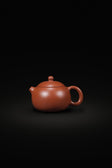
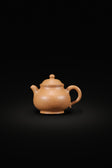
A white porcelain gaiwan is the easiest place to start: it suits any tea and lets you see the liquor color. Unglazed clay teapots hold heat well and are a traditional choice for pu-erh; many people keep one pot for raw and one for ripe. Browse our teaware.
Aging and Storage
Storage Conditions
Store pu-erh at about 20–25°C (68–77°F) and 60–70% relative humidity, in the dark, away from strong smells, with some airflow. Keep cakes in their paper wrappers, in a cardboard box, bamboo or unglazed clay jars, off the floor. Don't keep pu-erh in the fridge. Ripe tea is a little more forgiving than raw, but the same conditions suit both. Fuzzy or colored spots or a musty smell mean mold: don't drink it. More detail: how to store pu-erh tea.
How Aging Changes the Taste
Raw pu-erh changes the most. Over years and decades its bitterness softens, the liquor moves from yellow toward orange-red, and an aged aroma develops.
Ripe pu-erh mellows further, and any pile note fades over the first few years. After that it changes more slowly than raw. See how time changes pu-erh.
Choosing Your Pu-erh
Taste Preference
If you like green tea or a tea with some bite, start with raw. If you like black tea or want something gentle, start with ripe. Ripe is the easier first step for most beginners. Trying samples of both before buying a full cake is the simplest way to decide; see our tea samples.
Time of Day and Food
Many people drink raw pu-erh in the morning or afternoon and ripe pu-erh after meals or in the evening. Raw goes well with fresh fruit and light dishes. Ripe goes well with richer food, dark chocolate and desserts.
Price
Raw pu-erh from famous mountains and aged raw cakes usually cost more. Ripe pu-erh is generally more affordable. A young raw cake is a good way to follow how one tea changes over the years. Buy it to drink, not as an investment.
Frequently Asked Questions
What are the main taste differences between raw and ripe pu-erh?
Young raw pu-erh is bright and strong, with floral or fruity aroma, some bitterness and huigan. Ripe pu-erh is mellow and smooth, with an aged, woody or date-like aroma and little bitterness.
How does aging affect raw pu-erh?
Bitterness softens, the liquor turns toward orange-red, and an aged aroma develops. Storage conditions shape how this happens.
Is there a difference in caffeine?
Ripe pu-erh is often a little lower in caffeine than raw, but the difference is modest. How much leaf you use and how long you steep matter more. If you're sensitive to caffeine, use less leaf and shorter steeps. More in our article on pu-erh caffeine.
How do I decide which to buy first?
Think about the flavors you already like and when you'll drink the tea. Raw suits people who enjoy a strong, changing cup; ripe suits people who want smooth and easy. Ripe also needs less care in storage because you don't need to age it.
How should I brew raw pu-erh?
Use water just off the boil (100°C / 212°F). Rinse once for 5–10 seconds, then steep about 5–10 seconds for the first infusions, adding a few seconds each time. Use about 5–7 g in a 100–120 ml gaiwan.
Ready to try both? Start with our raw pu-erh and ripe pu-erh collections.
This article is general information about tea, not medical advice. If you're pregnant, breastfeeding, taking medication or managing a health condition, please talk to your doctor before changing what you drink.


