


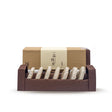
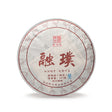
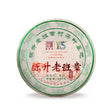
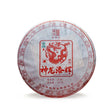





Our Na Ka base is in Na Ka, a Lahu village in Mengsong township, Menghai County, Yunnan. Na Ka is the best-known tea village in Mengsong, and its old-arbor tea is sweet with a high aroma. On December 28, 2012, we signed a 30-year agreement with the village covering 2013 to 2042, and Na Ka leaf has been part of our tea ever since.

Where Na Ka is
Na Ka belongs to Mengsong township in Menghai County, Xishuangbanna, west of the Lancang (Mekong) River. It is a high mountain village, home to Lahu families. Their old-arbor tea trees grow on the slopes around the village, mixed in with forest and other crops.
Mengsong is one of several tea areas in Menghai, alongside Bulang Mountain, Nannuo, Bada and Hekai. For a map of the main pu-erh regions, read the main origins of pu-erh tea.


Our work with the village
Our partnership with Na Ka follows the same "company + base + farmers" model we began at Lao Ban Zhang. The farmers pick, and we buy their fresh leaf directly.
- December 28, 2012: We signed a 30-year cooperation agreement with Na Ka village, covering 2013 to 2042. Under the agreement, we planned a first-processing workshop in the village so fresh leaf can be made into maocha close to the gardens.
- Support for the village: Alongside the agreement, we helped fund a better road out of the village and community buildings for Lahu families. We also sent our tea makers to work with farmers on processing and on caring for their gardens.
- April 2013: Tea from our Na Ka base won the Tea King award at the 5th Menghai Tea King Festival.


From fresh leaf to maocha
In spring, farmers bring their hand-picked leaf in baskets to be weighed and bought. The leaf is then withered, pan-fired (kill-green), rolled and sun-dried into maocha. The maocha goes to our factory in Menghai to be sorted, pressed and wrapped. For every step, see how we make our pu-erh.


Tea from our Na Ka base is China Green Food (绿色食品) certified, like the tea from our bases at Lao Ban Zhang and Nannuo.
What Na Ka tastes like
Na Ka raw pu-erh is known for its sweetness and high aroma, often with a fruity note. Compared with the strong, bitter-then-sweet style of Lao Ban Zhang, it is gentler and sweeter. As it ages, the liquor deepens from yellow toward orange-red and the aroma becomes more aged. Our pu-erh tasting vocabulary explains the terms we use.
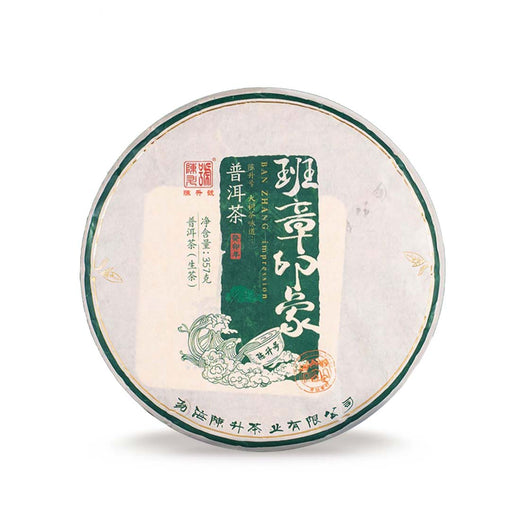
You can find our Na Ka teas in the Na Ka collection and in our Charm collection.
