


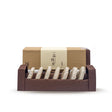
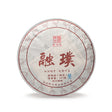
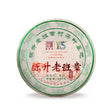
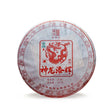



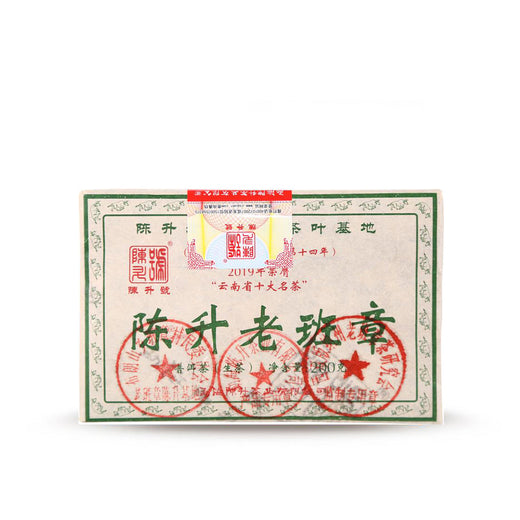


Our Lao Ban Zhang base is in Lao Ban Zhang village, a Hani village on Bulang Mountain in Menghai County, Yunnan. We have worked with this village since 2007, when we bought the farmers' whole unsold harvest. Today we run a first-processing workshop in the village under a 30-year agreement signed in 2008. This is where the leaf for our Lao Ban Zhang pu-erh is picked and made into maocha.

Where Lao Ban Zhang is
Lao Ban Zhang belongs to Bulang Mountain township in Menghai County, Xishuangbanna, west of the Lancang (Mekong) River. The village is home to Hani families who have grown tea here for generations. Their old-arbor tea trees grow among other trees and plants on the forested slopes around the village, rather than in neat terraced rows.
Bulang Mountain, which also includes villages such as Xin Ban Zhang and Lao Man'e, is one of the best-known tea areas in Menghai. To see how it fits into the wider map of pu-erh, read the main origins of pu-erh tea.
Our history in the village
- 2007: The year our company was founded, the Lao Ban Zhang farmers were left with much of their harvest unsold. Our founder, Shenghe Chen, bought all of it, more than 10,000 kg.
- 2008: We signed a 30-year cooperation agreement with Lao Ban Zhang village and built a first-processing workshop there. We work on a "company + base + farmers" model: the farmers pick, we buy their fresh leaf directly and process it in the village.
- 2009: We funded the building of a road into Lao Ban Zhang.
- 2011: We helped set up the Lao Ban Zhang Tea Research Association.
- 2016: A new village gate was built together with the village.


In May 2018, ten years after the agreement, the villagers marked the anniversary with a gift to Shenghe Chen: tea gathered from every household in the village. You can read the full story of the partnership, year by year, in Chen Sheng Hao and Lao Ban Zhang: The Story of Our Partnership.


How we make the tea in the village
Fresh leaf is picked by hand in spring and brought to our workshop in the village. There it is withered, pan-fired (kill-green), rolled and sun-dried into maocha. The maocha then goes to our factory in Menghai to be sorted, pressed and wrapped. For each step in detail, see how we make our pu-erh.

Our Lao Ban Zhang tea is China Green Food (绿色食品) certified.
What Lao Ban Zhang tastes like
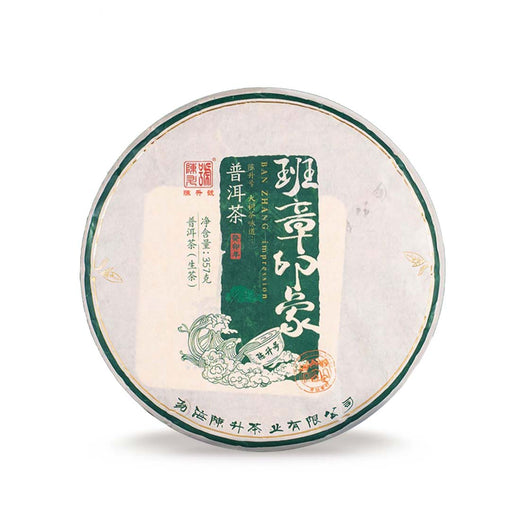
Lao Ban Zhang is often called the "King of raw pu-erh". Its liquor is strong and thick. The bitterness is pronounced, but it turns quickly to huigan, a lasting sweet aftertaste. It has strong cha qi, the warming feeling many drinkers notice after a few cups. With years of aging, the bitterness softens and the liquor moves from yellow toward orange-red. If any of these terms are new to you, our pu-erh tasting vocabulary explains them.
For more on the mountain and its tea, read our guide to Lao Ban Zhang pu-erh, or browse our Lao Ban Zhang collection.
