








The easiest way to start with pu-erh is to choose raw or ripe, buy a few samples instead of a whole cake, and brew them simply with water just off the boil. You don't need special skills or expensive gear. Follow the seven steps below and you will know within a few sessions which teas you enjoy.
Pu-erh is a tea from Yunnan, China, made from large-leaf tea and usually pressed into cakes. If you want the background first, read Pu-erh Tea 101.
1. Pick raw or ripe
Pu-erh comes in two styles, and they taste very different.
- Ripe pu-erh (shou) is pile-fermented before pressing. It brews a red to deep red liquor that is mellow, smooth and thick, with an aged or woody aroma and little bitterness. Choose ripe if you like a dark, soft, comforting cup.
- Raw pu-erh (sheng) is pressed without that fermentation and ages slowly over years. Young raw pu-erh brews a pale yellow to yellow liquor with a high, fresh aroma and some bitterness that turns into huigan, a sweet aftertaste. Choose raw if you like green tea or oolong and enjoy aroma.
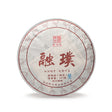
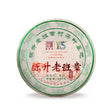
If you go with raw, start with a gentle one. Our Chen Sheng #1 is balanced, with a long-lasting floral-honey aroma. Na Ka is sweet, with a high aroma and often a fruity note, and its sweetness builds in the later infusions.


Still unsure? Read Raw vs Ripe Pu-erh: Which One Should You Choose?
2. Start with samples
A full cake is a big commitment when you don't yet know what you like. Samples let you taste several teas for the price of one cake, and each small portion is enough for a few brewing sessions.


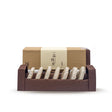
Our Raw Pu-erh Tasting Flight (Yi Pin Chen Sheng sample box) and more in our tea samples collection.
3. Get the gear you need
You can brew pu-erh in a plain mug. If you enjoy it, a few simple tools make it easier.
- Kettle: any kettle that brings water to a full boil.
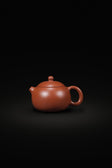
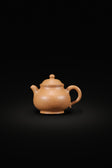
- Brewing vessel: a 100–120 ml gaiwan or small teapot for gongfu brewing, or just a mug and a strainer.
- Tea knife or pick: to pry leaves gently from a pressed cake.
- Small scale (optional): weighing your leaf makes it easy to repeat a good cup.
- Pitcher and small cups (optional): pour each infusion into a pitcher so every cup tastes the same.
Browse our teaware if you want to set up a gongfu tray.
4. Brew it
Use water just off the boil (100°C / 212°F) for both raw and ripe pu-erh.
Gaiwan (gongfu style):
- Put about 5–7 g of tea in a 100–120 ml gaiwan.
- Rinse once: cover the leaves with boiling water for 5–10 seconds and pour it away.
- Steep the first infusions for about 5–10 seconds, then pour out all the liquor.
- Add a few seconds for each new infusion. Good leaf gives 8–15 infusions.
Mug or teapot: use about 3–4 g per 250 ml. Rinse once, steep 1–2 minutes for the first cup and longer for later cups. You will get 3–4 cups from the same leaves.
If the tea is too bitter, shorten the steep or use less leaf. Don't use cooler water.

Step-by-step guides: How to Brew Pu-erh Tea (Gaiwan, Step by Step), how to break and rinse a cake, and common brewing mistakes.
5. Taste and take notes
A few notes after each session help you see what you like. For each tea, write down:
- the liquor color (pale yellow, orange-red, deep red…)
- the aroma, from the dry leaf, the wet leaf and the cup
- how bitter it was, and how quickly the sweetness (huigan) came back
- the mouthfeel: thin or thick, brisk or smooth
- how many infusions it lasted before it faded
Our pu-erh tasting vocabulary explains the words tasters use, and What Does Pu-erh Tea Taste Like? describes what to expect from each style.
6. Store what you buy
- Keep pu-erh at about 20–25°C (68–77°F) and 60–70% relative humidity, in the dark, away from strong smells, with some airflow.
- Leave cakes in their paper wrappers, in a cardboard box, bamboo or unglazed clay, off the floor.
- No fridge, no silica gel and no airtight bags for long-term aging. A sealed tin is fine for the portion you are drinking now.
- Fuzzy or colored spots, or a musty smell, mean mold. Don't drink it.
More in How to Store Pu-erh Tea.
7. Move up the Find Your Tea ladder
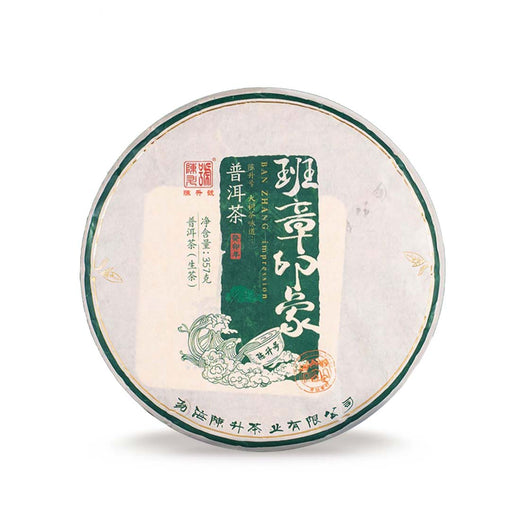
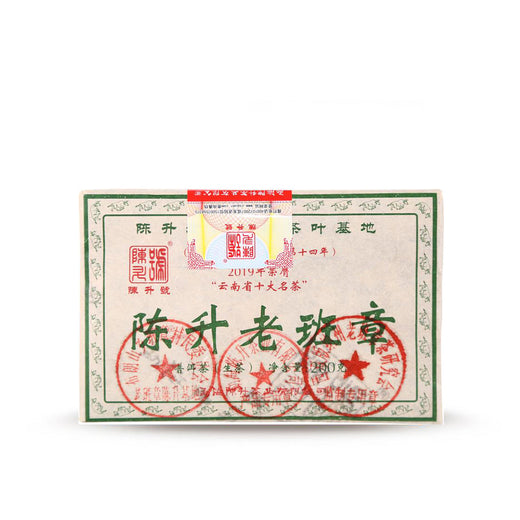
Once you know what you like, try something a little stronger. Our Find Your Tea guide moves in five steps from gentle, sweet Na Ka to strong and thick Lao Ban Zhang, with a 3-question finder to tell you where to start.
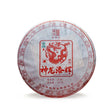
Further up the ladder is our Emperor raw pu-erh, made every year since 2009. It is strong, with bitterness up front that turns quickly into huigan, pronounced salivation and strong cha qi, and it holds up for many infusions. It suits drinkers who already enjoy strong raw pu-erh.

Age changes raw pu-erh too. Over the years the bitterness softens and the liquor deepens from yellow toward orange-red. Compare an older and a younger cake of the same tea:


Liquor and brewed leaves of our 2009 Emperor and 2018 Emperor.
Take your time. Pu-erh rewards slow, curious tasting, and there is no wrong place to begin.
Ready for step one? Take the 3-question finder on our Find Your Tea page.


