





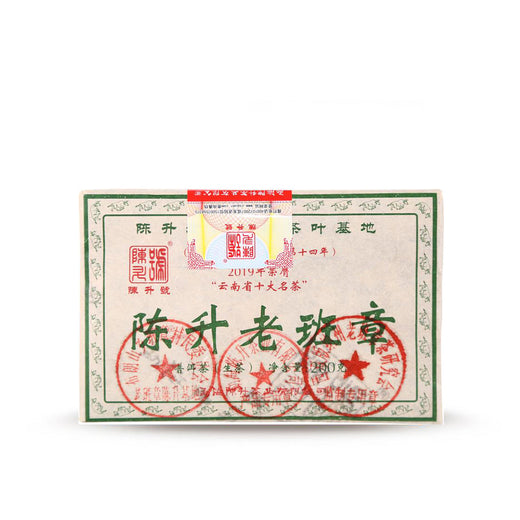


Some pu-erh is expensive because of where and how the leaf grows, not because of the label. The biggest price drivers are the fame of the village or mountain, old-arbor leaf (low yield, hand-picked, mostly in spring), single-origin leaf rather than a blend, careful processing, and years of storage. Scarcity does the rest: a famous village can only produce so much leaf each year. At the same time, plenty of modestly priced pu-erh is good for daily drinking. Prices vary widely, so it helps to know what you are paying for.
1. Origin and mountain fame
Pu-erh is made from the large-leaf tea variety grown in Yunnan, and it is protected as a geographical-indication product from specific areas of the province. Within those areas, a handful of villages and mountains have built a reputation over decades for their character:
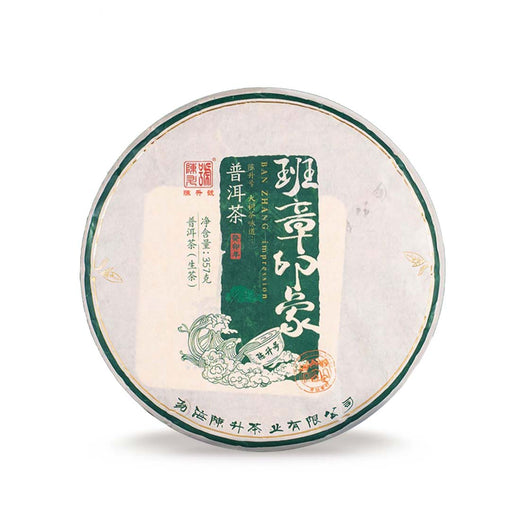
- Lao Ban Zhang on Bulang Mountain in Menghai County, often called the "King of raw pu-erh": strong and thick, with a pronounced bitterness that turns quickly to huigan, and strong cha qi.
- Bingdao in Mengku, Lincang: sweet, often described as rock-sugar sweetness, with a floral and fruity aroma.
- Na Ka in Mengsong: sweet, with a high aroma, often with a fruity note.
- Nannuo: balanced, mellow and sweet.
- Yiwu, east of the Lancang (Mekong) River, in the area of the classic Six Famous Tea Mountains (Youle, Gedeng, Yibang, Mangzhi, Manzhuan and Mansa): soft, smooth, sweet and mellow.
Demand for these names is far larger than what their gardens can produce, so their leaf costs more at the source, before anyone presses a cake. For more on the regions, see the main origins of pu-erh.
2. Old-arbor leaf
Old-arbor tea comes from tall, seed-grown trees that have stood in the same gardens for generations; in the core areas some are well over 100 years old. These trees grow slowly and give far less leaf than closely planted terrace bushes. Picking means climbing or using ladders, and it is done by hand. Most prized leaf is picked in spring, when the first growth after the dry season is at its best.
Low yield, hand labor and a short season all raise the cost of each kilogram. Leaf from older gardens costs more again: our over 200 years and over 300 years collections come from trees that produce very little each year.
3. Single origin vs. blend
A single-origin cake is pressed from leaf from one village or garden, so it shows that place's character clearly, and its price follows that place's leaf. A blend combines leaf from several areas to reach a balanced, consistent taste. Blending is a craft in itself, and a good blend can be excellent. But a cake labeled with a single famous village, made only from that village's old-arbor leaf, will always cost more than a blend because the leaf costs more.
Explore the difference in our single-origin teas.
4. Processing care
Pu-erh starts as maocha: fresh leaf that is withered, pan-fired, rolled and sun-dried. Raw pu-erh is pressed from this maocha. Ripe pu-erh is first pile-fermented (wo dui) for about 45–60 days, a method developed in Yunnan in 1973. Each step can be done quickly or carefully. Careful work means sorting the leaf, firing in small batches, controlling the pile closely, and keeping the leaf clean throughout.
At our factory we use no-ground-contact processing, so the leaf never touches the floor from withering to pressing. Work like this costs more in time, space and labor, and it shows up in the price. Read more in how we produce pu-erh.
5. Storage and time
Raw pu-erh changes over years and decades: bitterness softens, the liquor moves from yellow toward orange-red, and an aged aroma develops. Ripe pu-erh mellows and loses its pile note over the first few years. To get there, someone has to keep the tea in the right conditions the whole time: around 20–25°C (68–77°F), 60–70% relative humidity, dark, free of strong smells, with some airflow.
That means warehouse space, climate control and capital tied up in tea that can't be sold yet. An aged cake carries all of those years in its price. Our tea rests in climate-controlled warehouses with 24-hour temperature and humidity control. Good storage is also why a well-kept aged cake costs more than one of the same age kept in poor conditions: the poorly stored cake may be musty or flat.
Aging changes a tea; it does not guarantee a result. Not every cake becomes better with age, and prices are not guaranteed to rise. We make pu-erh to drink, and we suggest you buy it to drink. See how aging changes pu-erh for more.
6. Scarcity
Put the factors together and the most famous teas become scarce: a limited village, old-arbor trees, a spring harvest, careful processing and years of storage. There is only so much Lao Ban Zhang old-arbor leaf each spring, and every cake that goes into storage is one fewer on the market. That scarcity is real, and it is also why fakes are common. A famous name at an everyday price should make you cautious. Our buyer's guide to authentic pu-erh explains what to check.
Why some cheaper pu-erh is fine
You don't need the most expensive cake to enjoy pu-erh. Terrace tea, younger leaf and well-made blends can be clean, pleasant and easy to brew every day. Many ripe pu-erhs are made for daily drinking: mellow, smooth and forgiving. What you give up at lower prices is usually the distinct character of a famous village, the thickness and long huigan of old-arbor leaf, and the number of good infusions a session gives.
What you should never accept at any price: mold, musty or sour smells, or a tea that looks dyed. Our guide to telling good pu-erh from poor pu-erh shows what to look for.
How to get good value
- Start with samples. Taste before you commit to a full cake. Our tea samples and the Raw Pu-erh Tasting Flight make it easy to compare.
- Climb the ladder. Begin with an everyday tea, then try a step up and notice what changes: thickness, aroma, huigan, how many infusions it gives. Only pay more when you can taste the difference. Our Find Your Tea page sets out that ladder.
- Count infusions, not grams. Good leaf gives 8–15 gongfu infusions, so an expensive tea can cost less per cup than you think. Brew it properly with water just off the boil (100°C / 212°F), about 5–7 g in a 100–120 ml gaiwan, with short infusions of 5–10 seconds to start.
- Buy from the producer or a seller you trust, who can tell you where the leaf came from, when it was pressed and how it was stored.
- Don't buy on price expectations. Buy the teas you enjoy drinking.
To see how our teas compare, start at Find Your Tea.
Frequently asked questions
Why does some pu-erh tea cost so much?
The biggest price drivers are the fame of the village or mountain, old-arbor leaf, single-origin leaf rather than a blend, careful processing and years of storage. A famous village can only produce so much leaf each year, and that scarcity does the rest.
What is old-arbor pu-erh?
Old-arbor tea comes from tall, seed-grown trees that have stood in the same gardens for generations; in the core areas some are well over 100 years old. These trees give far less leaf than terrace bushes, are picked by hand, and the most prized leaf is picked in spring.
Why is Lao Ban Zhang pu-erh so expensive?
Lao Ban Zhang, on Bulang Mountain in Menghai County, is often called the "King of raw pu-erh," and demand is far larger than its gardens can produce. There is only so much of its old-arbor leaf each spring, so a famous name at an everyday price should make you cautious.
Is cheap pu-erh tea worth buying?
Yes, plenty of modestly priced pu-erh is good for daily drinking. Terrace tea, younger leaf and well-made blends can be clean and pleasant. What you usually give up is a famous village's character, the thickness and long huigan of old-arbor leaf, and the number of good infusions.
Does aged pu-erh always go up in value?
No. Aging changes a tea but does not guarantee a result: not every cake becomes better with age, and prices are not guaranteed to rise. Buy the teas you enjoy drinking rather than buying on price expectations.
This article is general information about tea, not medical advice. If you're pregnant, breastfeeding, taking medication or managing a health condition, please talk to your doctor before changing what you drink.


