








Pu-erh is one of the few teas that keeps changing after it is made. Over years and decades, a raw pu-erh loses its sharp bitterness, its liquor turns from yellow toward orange-red, and an aged aroma develops. Ripe pu-erh changes too, more quickly and less dramatically: the pile note from fermentation fades over the first few years and the tea becomes more mellow. This guide explains what happens, what affects it, and what you can expect to taste.
Aging is slow and depends heavily on storage, so we can't promise a particular result for any cake. What follows are general patterns.
Raw and Ripe: Two Starting Points
All pu-erh starts as maocha: large-leaf Yunnan tea that has been withered, pan-fired, rolled and sun-dried.
- Raw (sheng) pu-erh is maocha pressed straight into cakes, bricks or tuocha. It starts out strong, often bitter and astringent, with a yellow liquor. This is the tea that changes most with age.
- Ripe (shou) pu-erh is maocha that has gone through pile fermentation (wo dui) before pressing. The leaf is moistened, piled and turned for about 45–60 days, a method developed in Yunnan in 1973. Ripe pu-erh is dark, mellow and ready to drink young, and it changes more gently over time.
For a fuller comparison, see raw vs ripe pu-erh.
People often group raw pu-erh by age:
- Young: 1–5 years
- Middle-aged: 5–10 years
- Mature: 10–20 years
- Aged: 20+ years
These labels are loose. A well-stored 10-year-old cake can taste more mature than a poorly stored 20-year-old one.
What Happens Inside the Cake
Slow oxidation
Tea leaves contain polyphenols such as catechins, which give young raw pu-erh much of its bitterness and astringency. Over years, these slowly oxidize and combine into larger pigments such as theaflavins, thearubigins and theabrownins. This is the main reason the liquor darkens and the taste softens. It is the same family of changes that happens in black tea processing, but spread over years instead of hours.
Microbes
Microorganisms also play a part. They matter most in ripe pu-erh: during wo dui, warmth and moisture let fungi and bacteria, including Aspergillus niger, transform the leaf in a few weeks. That is what gives ripe pu-erh its dark color and mellow taste. In raw pu-erh kept in normal storage, microbial activity is much slower and gentler, and it depends on humidity and temperature.
Other changes
Some compounds break down while others form. Fresh, grassy aromas fade, and aged aromas build up. Caffeine stays fairly stable, so aged pu-erh still contains caffeine, even if many drinkers find older tea feels gentler.
What Affects How Pu-erh Ages
Storage conditions
Storage matters more than anything else. We recommend:
- Temperature: 20–25°C (68–77°F)
- Humidity: 60–70% relative humidity
- Light: dark, away from sunlight
- Air: some airflow, and no strong smells nearby
If it is too dry, the tea changes very slowly. If it is too humid, it can grow mold. Warm, humid storage (traditional in Hong Kong, for example) ages tea faster but carries more risk; drier storage (such as in Kunming) is slower and keeps the tea cleaner and brighter.
Keep cakes in their paper wrappers, in a cardboard box, bamboo or unglazed clay, off the floor. Don't use the fridge, silica gel or airtight bags for long-term aging; a sealed tin is fine for the small amount you are drinking now. Pu-erh absorbs smells easily, so keep it away from kitchens, spices, perfume and cleaning products. Our storage guide covers this in detail.
At Chen Sheng Hao, our Chen Sheng Storage warehouses, opened in 2016, control temperature and humidity around the clock so tea ages slowly and evenly.
Time
- Raw pu-erh: you'll usually notice change after about 3–5 years, as bitterness softens and the liquor deepens. A mature, aged character typically takes 10–15 years or more.
- Ripe pu-erh: the pile note from fermentation usually fades within 1–3 years, and the tea keeps mellowing slowly after that.
Older is not always better. Some drinkers prefer raw pu-erh at 10–15 years, when it is softer but still lively; others prefer the deeper aged character of tea stored for decades.
Compression and size
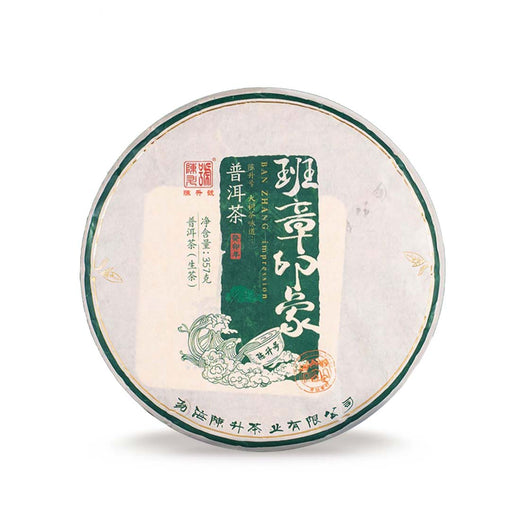
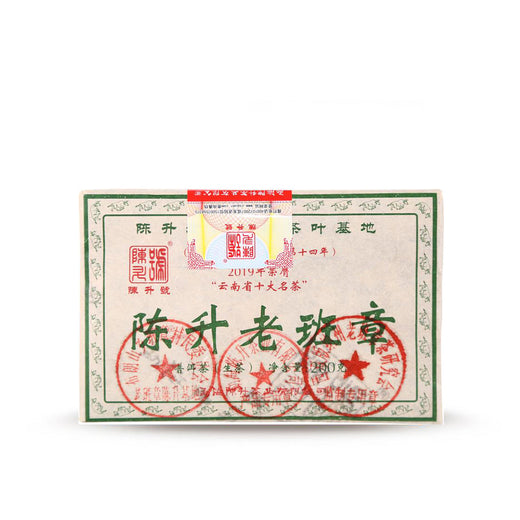
Looser cakes let more air reach the leaf and tend to age a little faster. Tightly pressed cakes age more slowly, often more evenly. Stone-pressed cakes are often denser in the center than at the edge, so different parts of one cake can taste slightly different over time. Smaller formats, such as 100 g cakes, have more surface for their weight and tend to change faster than a 357 g cake or a large brick. Learn more in our guide to cakes, bricks and tuocha.
The leaf itself
Aging can't fix poor leaf. Tea made from good material, especially old-arbor leaf, and processed carefully has more to change into. Weak or badly processed tea tends to go flat or sour rather than improve.
How the Taste Changes
Raw pu-erh
- Young (1–5 years): strong, with clear bitterness and astringency, a fresh, sometimes floral or fruity aroma, and a pale yellow to yellow liquor. Good young tea turns quickly to huigan (sweet aftertaste).
- Middle-aged (5–10 years): bitterness softens, sweetness comes forward, the liquor deepens to orange-yellow, and the first hints of aged aroma appear.
- Mature and aged (10+ years): smooth, thick and mellow, with an aged aroma (chen xiang), sometimes woody or reminiscent of camphor or dried fruit, and an orange-red to red liquor. Experienced drinkers call the lasting quality of aged tea chen yun, or aged character.
Ripe pu-erh
Freshly made ripe pu-erh can have a noticeable pile note from fermentation. Over the first few years, this fades and the tea becomes smoother and sweeter, with a more mellow aged or woody aroma. The liquor stays deep red throughout.
For the words we use to describe these changes, see our tasting vocabulary.
The cake
The leaves on a raw cake darken over the years from greenish to brown. What you should not see is mold. Fuzzy patches, white, green, yellow or black spots, or a musty, damp smell mean the tea has gone moldy. Don't drink it. Well-aged tea smells clean, even when its aroma is deep.
Tasting Aged Pu-erh
Brew aged pu-erh the same way as any pu-erh: water just off the boil (100°C / 212°F), about 5–7 g in a 100–120 ml gaiwan, one quick rinse, then short infusions of about 5–10 seconds, adding a few seconds each time. Our gongfu brewing guide walks through it step by step.
Look for:
- Smoothness: little astringency.
- Thickness: the liquor feels full in the mouth.
- Huigan: a sweet aftertaste that lingers.
- Clean aroma: aged, never musty or sour.
- Staying power: good aged tea gives many infusions without going thin.
Trust your own taste over age claims or price. Also check the infused leaves: whole leaves with little breakage are a good sign at any age.
Pu-erh With Food
In Yunnan and in Cantonese dim sum restaurants, pu-erh has long been served with rich, meaty or oily dishes. Its depth stands up to strong flavors, and many people simply enjoy a pot of aged or ripe pu-erh after a heavy meal because it tastes right with it.
Caffeine in Aged Pu-erh
Aging does not remove caffeine. If you're sensitive to it, drink smaller amounts, have your tea earlier in the day, or choose a caffeine-free herbal infusion in the evening. Read more in our article on pu-erh caffeine.
Common Questions
Does all pu-erh get better with age?
No. It changes, and with good leaf and good storage the change is usually pleasant. Poor storage can make tea moldy, sour or flat, and low-grade leaf rarely improves.
How long should I age raw pu-erh before drinking it?
There is no minimum; many people enjoy raw pu-erh young. Expect noticeable change after about 3–5 years and a mature character after 10–15 years or more.
Does ripe pu-erh need aging?
Not really. It is ready to drink when made. A year or three lets the pile note fade, and it keeps mellowing slowly after that.
Is aged pu-erh a good investment?
We make pu-erh for drinking. Prices are not guaranteed to rise, so buy tea you want to drink, now or later.
To taste the difference time makes, browse our aged pu-erh alongside our younger raw pu-erh.
This article is general information about tea, not medical advice. If you're pregnant, breastfeeding, taking medication or managing a health condition, please talk to your doctor before changing what you drink.


