







Short answer: for young raw pu-erh, choose a dense Zhuni (vermilion clay) pot, or a Duanni pot if your tea is very bitter. For ripe pu-erh and aged raw pu-erh, choose Zini or another purple clay. If you are buying your first pot, start with 150–180 ml, and keep one pot for raw and another for ripe.
Why a Yixing teapot suits pu-erh
Yixing teapots are made from unglazed stoneware clay dug near Yixing in Jiangsu province. After firing, the clay keeps very fine pores. The pot holds heat well and, over months of use, takes up a little of the tea's oils and builds a glossy patina inside and out. That is why tea drinkers usually keep one pot for one style of tea.
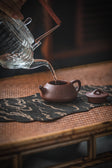
Pu-erh suits this kind of pot. We brew all pu-erh with water just off the boil (100°C / 212°F) in many short infusions, so a pot that holds its heat between pours keeps each infusion consistent. A Yixing pot is not required to brew pu-erh well. A porcelain gaiwan works for every tea and shows you the leaf clearly. A Yixing pot is for when you know which tea you drink most and want a vessel that grows with it.
Raw (sheng) pu-erh: Zhuni or Duanni
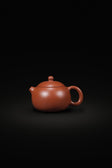
Young raw pu-erh has high aroma and a clear bitterness that should turn quickly into huigan (sweet aftertaste). Zhuni is dense and fine-grained. It keeps the aroma clean and bright and holds heat for short, quick infusions. Zhuni shrinks a lot in the kiln, so most Zhuni pots are small with thin walls, which also makes them pour fast.
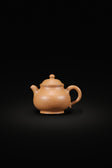
If your young raw pu-erh is very bitter or astringent, a more open clay softens the edges. Duanni, with its sandy, breathable texture, is a good choice here. Once raw pu-erh has some years of age and its bitterness has softened, a Zini pot brings out its aged aroma and smoothness.
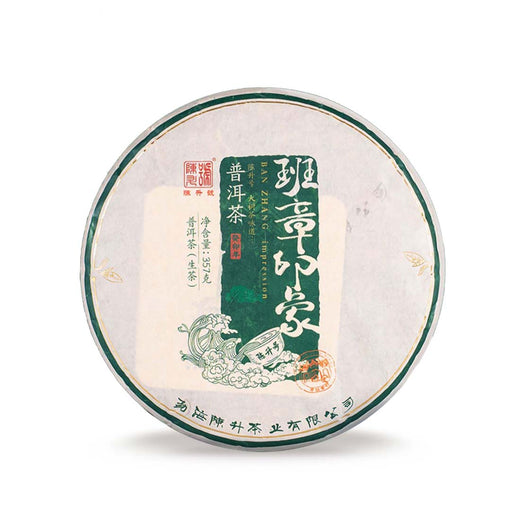
See our Yixing teapots for raw pu-erh and our raw pu-erh.
Ripe (shou) pu-erh: Zini and other purple clays
Ripe pu-erh gives a thick, smooth, mellow liquor with an aged or woody aroma. Zini, the classic purple clay of Yixing, has a more open structure than Zhuni and holds steady heat, which rounds out the liquor. Pots with slightly thicker walls suit ripe pu-erh well. Ripe pu-erh is forgiving, so a larger pot for sharing works too.
Our purple clays include Zini, Tianqing Ni, Jiangpo Ni and aged Lao Zini. See our Yixing teapots for ripe and aged pu-erh and our ripe pu-erh.
Choosing the size
Size matters more than most people expect. Our house gongfu ratio is about 5–7 g of leaf for a 100–120 ml pot, so a bigger pot needs more leaf and pours more cups.
| Pot size | People | Leaf (approx.) | Good for |
|---|---|---|---|
| Up to 140 ml | 1–2 | 6–8 g | Drinking on your own, trying many teas |
| 150–180 ml | 2–3 | 9–11 g | Everyday brewing, most first pots |
| 200 ml and up | 3 or more | 12 g and up | Sharing, ripe pu-erh at the tea table |
A pot that is too big for the people at the table means more leaf per session or weak, slow pours. When in doubt, choose the smaller size.
One pot, one tea
Because the clay slowly takes on the character of what you brew, keep separate pots for raw and ripe pu-erh. Ripe pu-erh in particular leaves its aroma in the clay, and a pot used for ripe will not give a young raw pu-erh the same clean aroma again.
Quick picks
| You mostly drink | Clay | Size |
|---|---|---|
| Young raw pu-erh | Zhuni, or Duanni for very bitter tea | 130–180 ml |
| Ripe pu-erh | Zini or another purple clay | 180–220 ml |
| Aged raw pu-erh | Zini or Tianqing Ni | 150–200 ml |
| Many different teas | Start with a gaiwan, add a Yixing pot later | 100–120 ml gaiwan |
For the brewing steps themselves, see our gongfu brewing guide. If you are not sure whether you prefer raw or ripe, read raw vs. ripe pu-erh first.
Frequently asked questions
Can I use one Yixing teapot for both raw and ripe pu-erh?
You can, but we don't recommend it. The clay slowly takes on the aroma of what you brew, and ripe pu-erh leaves a strong trace. Keep one pot for raw and another for ripe, and use a porcelain gaiwan for everything else.
What size Yixing teapot is best for one person?
A pot of up to 140 ml suits one person. It needs only about 6–8 g of leaf and lets you work through many short infusions without wasting tea.
Do I need a Yixing teapot to brew pu-erh well?
No. A porcelain gaiwan brews pu-erh very well and suits every style. A Yixing teapot is a good next step once you know which tea you drink most, because the pot seasons to that tea over time.
What water temperature should I use in a Yixing teapot?
Use water just off the boil, 100°C (212°F), for raw and ripe pu-erh alike. If a tea tastes too bitter, shorten the infusion or use less leaf, and keep the water just off the boil.
Is a Zhuni teapot good for ripe pu-erh?
It works, and some people like how Zhuni keeps ripe pu-erh clean and bright. Most people find that Zini and the other purple clays round out ripe pu-erh better, so we suggest a purple clay pot for ripe and a Zhuni pot for raw.
Browse every pot in our Yixing teapot collection, each with its clay and capacity listed.


