


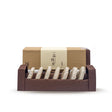
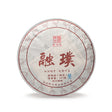
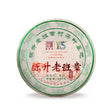
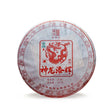


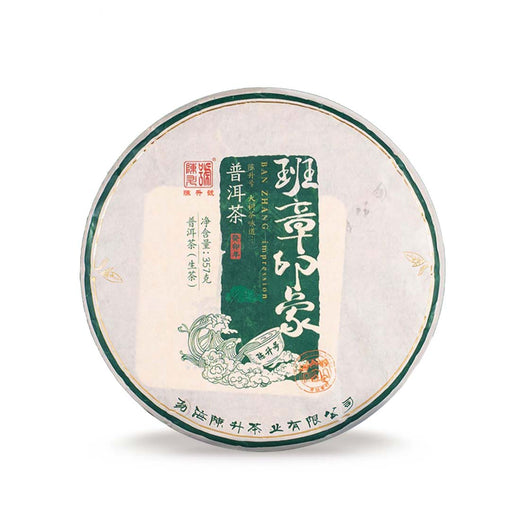
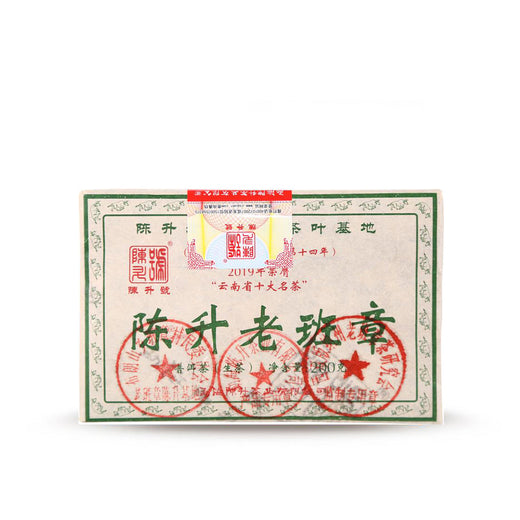


Shop our Pu Erh tea collection—available in both ripe and raw varieties!
Many people love a warm cup of pu-erh in the evening, and it's easy to see why: ripe pu-erh is dark, smooth and comforting, and brewing it is a quiet way to end the day. But we want to be clear about two things. First, tea is not a sleep aid or a treatment for anything. If you're having trouble sleeping, a doctor or pharmacist is the right person to talk to. Second, pu-erh contains caffeine, so it isn't automatically a good bedtime drink.
If you'd like to enjoy pu-erh in the evening, a few simple choices make a big difference. Here are ten honest tips.
1) Know That Pu-erh Contains Caffeine
All pu-erh is made from the tea plant (Camellia sinensis), so it contains caffeine. A cup of pu-erh typically has less caffeine than a cup of coffee, but often more than a cup of green tea, depending on how it's brewed. It is not a caffeine-free or "low-caffeine" tea.
For typical ranges and the factors that change them, see Does Pu Erh Tea Have Caffeine?
2) Choose Ripe Pu-erh for the Evening
Ripe (shou) pu-erh goes through a fermentation step called wo dui ("wet piling") before it's pressed. It usually has a little less caffeine than young raw (sheng) pu-erh, and its flavor is softer: earthy, woody, sometimes with notes of dates or cocoa. That mellow, rounded taste is why most people who drink pu-erh at night reach for ripe rather than raw.
Young raw pu-erh is brighter, more astringent and usually more caffeinated, so it's better saved for the morning.
3) Brew It Lighter
Caffeine comes out of the leaf faster with more leaf, hotter water and longer steeps. In the evening, use fewer grams of leaf than usual, keep steeps short, and stop after a few cups. You'll still get the flavor, with less caffeine in each cup.
4) Use Leaves You Brewed Earlier in the Day
Pu-erh can be steeped many times, and the early infusions carry the most caffeine. A simple trick is to brew a pot in the afternoon and come back to the same leaves after dinner. The later infusions are lighter in both caffeine and taste, which many people find just right for the evening.
5) Mind the Timing
Caffeine can stay in your system for several hours. If you're sensitive to it, have your pu-erh earlier in the evening, such as right after dinner, rather than just before bed. Pay attention to how you sleep and adjust from there.
6) Keep the Cup Small
A small cup or two is plenty. Gongfu-style brewing, with a small teapot or gaiwan and tiny cups, makes it easy to enjoy the flavor without drinking a large volume of tea. A lot of liquid right before bed can also mean more trips to the bathroom at night.
7) Enjoy It After a Rich Dinner
In Yunnan, pu-erh has long been drunk after rich, meaty meals, and in Cantonese dim sum restaurants it's one of the most common teas on the table. Its deep, earthy flavor pairs well with roasted meats, braised dishes and anything savory, which makes an after-dinner cup feel natural.
8) Make It a Calm Ritual
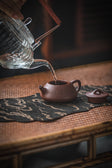
Part of the pleasure of evening tea is the ritual itself: warming the pot, breaking off a few grams from a cake, rinsing the leaves and watching the dark liquor pour out. Turning off screens and spending ten quiet minutes with a pot of tea is a pleasant way to slow down, whatever you're drinking.
9) Know When to Switch to Caffeine-Free
If even a light cup of pu-erh keeps you up, choose a caffeine-free herbal infusion at night instead. Rooibos and roasted barley tea (mugicha) have warm, toasty flavors that pu-erh drinkers often enjoy, and chamomile or peppermint are easy to find. Herbal infusions aren't sleep treatments either, but they let you keep the evening ritual without caffeine.
10) Check with Your Doctor If You Need To
If you're pregnant, breastfeeding, taking medication or managing a health condition, ask your doctor how much caffeine and tea is right for you, especially in the evening. Our article on pu-erh tea and pregnancy covers common questions. And if poor sleep is an ongoing problem, that's worth raising with a healthcare professional rather than trying to fix with tea.
Finding an Evening Pu-erh
If you'd like to try pu-erh after dinner, start with our ripe pu-erh collection. Our teas are made by Chen Sheng Hao in Menghai, Yunnan, and are China Green Food certified. Our tea samples are an easy way to taste a few before choosing a cake, and orders over $70 USD ship free.
This article is general information about tea, not medical advice. If you're pregnant, breastfeeding, taking medication or managing a health condition, please talk to your doctor before changing what you drink.


