


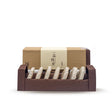
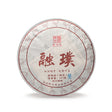
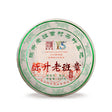
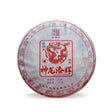








Almost all pu-erh comes from three prefectures in southwestern Yunnan: Xishuangbanna, Pu'er City (formerly Simao) and Lincang. Within them, tea is grown on dozens of named mountains, and the mountain on the wrapper tells you a lot about how a cake is likely to taste. This guide walks through the main areas, what is broadly typical of each, and where our own tea gardens are.
The three main producing prefectures
Pu-erh is made from the large-leaf tea variety (Camellia sinensis var. assamica) grown in Yunnan, and it is protected as a geographical-indication product, which means it must come from specific areas of the province. In practice, three prefectures supply most of it.
Xishuangbanna
Xishuangbanna (西双版纳) sits in the far south, on the border with Laos and Myanmar. It is the best-known pu-erh region and is divided by the Lancang River (the upper Mekong). Menghai County lies west of the river; the Six Famous Tea Mountains lie east of it. Many of the most sought-after raw pu-erh mountains are here. Broadly, teas from the western side are known as strong, with bitterness that turns to sweetness, while the eastern side is known for softer, sweeter tea.
Pu'er City
Pu'er City (formerly Simao) gave pu-erh its name: the old tea-trading town of Pu'er was where tea from the surrounding mountains was gathered and sold. Tea from Yunnan traveled from here and other market towns along the Tea Horse Road for centuries. Its best-known old-arbor area is Jingmai.
Lincang
Lincang (临沧), to the northwest, has many old-arbor gardens, and its teas are often described as sweet and aromatic. Bingdao, in Mengku, is its most famous name.
Menghai: the mountains west of the Lancang River
Menghai is a county, not a mountain. It is home to several of the best-known tea mountains and to many of the region's tea factories, including ours. The main areas are:
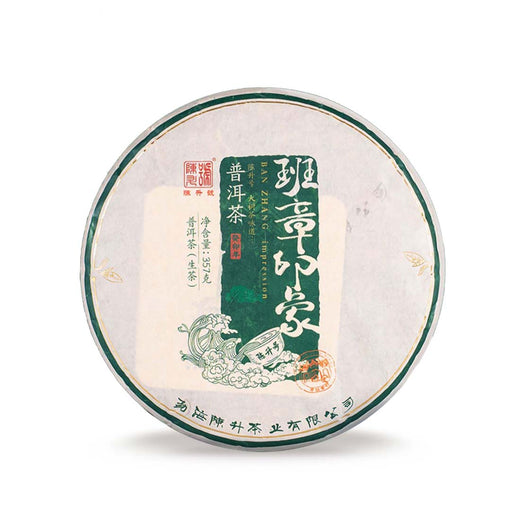
- Bulang Mountain, near the Myanmar border. It includes the villages of Lao Ban Zhang, Xin Ban Zhang and Lao Man'e. Bulang tea in general is strong, with a bitterness that turns sweet.
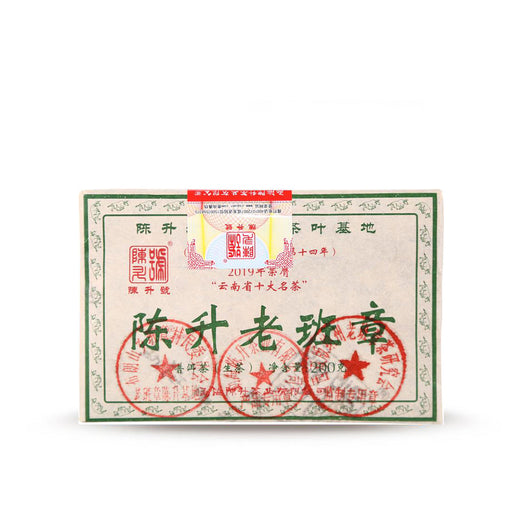
- Lao Ban Zhang, a village on Bulang Mountain. Its raw pu-erh is strong and thick, with pronounced bitterness that turns quickly into huigan (sweet aftertaste) and strong cha qi. It is often called the "King of raw pu-erh".
- Nannuo, a mountain with many old-arbor gardens. Its tea is usually described as balanced, mellow and sweet.
- Mengsong, a high-altitude area of Menghai. Its village of Na Ka is known for sweet tea with high aroma, often with a fruity note.
- Bada, home to the 1,700-year-old wild Bada Tea King tree.
- Hekai, a smaller old-arbor area in Menghai.
The Six Famous Tea Mountains, east of the river
East of the Lancang River are the classic Six Famous Tea Mountains: Youle, Gedeng, Yibang, Mangzhi, Manzhuan and Mansa. This is the historic heart of pu-erh, and today much of it is known as the Yiwu area. When people talk about Yiwu tea, they usually mean tea that is soft, smooth, sweet and mellow, with lighter bitterness than Bulang tea.
Jingmai and Bingdao
- Jingmai is in Lancang County, Pu'er City. It is known for its tea forests, where tea grows among taller trees. Its tea is often described as aromatic and sweet.
- Bingdao is a village in Mengku, Lincang. Its tea is known for a "rock-sugar sweetness" and a floral and fruity aroma.
Quick reference
| Area | Where | Typical character | Shop |
|---|---|---|---|
| Lao Ban Zhang | Bulang Mountain, Menghai (Xishuangbanna) | Strong and thick; bitterness turns quickly to huigan; strong cha qi | Lao Ban Zhang tea |
| Bulang (general) | Menghai, west of the river | Strong; bitter, then sweet | Bulang tea |
| Na Ka | Mengsong, Menghai | Sweet, high aroma, often fruity | Na Ka tea |
| Nannuo | Menghai | Balanced, mellow, sweet | Nannuo tea |
| Yiwu | Six Famous Tea Mountains, east of the river | Soft, smooth, sweet, mellow | Yiwu tea |
| Jingmai | Lancang County, Pu'er City | Aromatic and sweet | — |
| Bingdao | Mengku, Lincang | Rock-sugar sweetness; floral and fruity aroma | — |
These are broad tendencies, not rules. Two cakes from the same mountain can taste quite different.
Why mountain names matter
A mountain name is a shorthand for a set of growing conditions and a local way of making tea. It does not guarantee quality on its own, and famous names are often borrowed for tea from elsewhere. That is why it helps to buy from a producer who works directly with the village. Within any area, three things shape the taste most:
- Altitude and mist. Higher, cooler, misty gardens tend to grow slowly, which is often linked to higher aroma and a sweeter, longer aftertaste.
- Tree age. Old-arbor tea, picked from trees that have grown for many decades or centuries, tends to give a thicker liquor, stronger huigan and longer-lasting infusions than young plantation tea.
- Processing. How the leaf is withered, pan-fired, rolled and sun-dried, and whether it is a single-origin cake or a blend, can change the result as much as the mountain.
We explain each factor in more detail in How Region Shapes Pu-erh Flavor. To describe what you taste, see our tasting vocabulary.
Our tea gardens
Chen Sheng Hao was founded in Menghai in 2007 by Shenghe Chen. Instead of buying leaf on the open market, we sign long-term agreements with villages and process the leaf close to where it is picked. Our main bases are:
- Lao Ban Zhang (Bulang Mountain): a 30-year agreement with the village since 2008, with our own first-processing workshop in the village. Visit our Lao Ban Zhang base.
- Na Ka (Mengsong): a 30-year agreement covering 2013–2042. Visit our Na Ka base.
- Banpo Laozhai (Nannuo): a 50-year agreement signed in November 2011. Visit our Nannuo base.
- Yiwu: tea from the Six Famous Tea Mountains area, east of the river. See our Yiwu tea.
For the story of our longest partnership, read sixteen years with Lao Ban Zhang, and for the basics, start with Pu-erh Tea 101.
To taste the differences side by side, browse our single-origin teas.


