







If you searched for the benefits of pu-erh tea, you have probably seen long lists promising everything from weight loss to better skin. We used to publish one of those lists here. We have replaced it, because a cup of tea is not a treatment for anything, and we don't think it's right for a tea seller to suggest otherwise. If you have a symptom or a health question, your doctor or pharmacist is the right person to ask.
What we can do is tell you, plainly, what pu-erh tea is, what is in the cup, and why so many people make it a daily habit.
Why We Rewrote This Article
Much of what you read online about pu-erh and health comes from laboratory work on concentrated extracts or from animal studies. Those results are not the same thing as brewing a few grams of leaf in a teapot, and in the US and Canada a food or drink may not be marketed as preventing, treating or curing a disease, or as having health effects that haven't been approved. So rather than repeat claims we can't stand behind, this page sticks to what is true about the tea itself.
What's Actually in a Cup of Pu-erh
Pu-erh is made from the large leaves of Camellia sinensis var. assamica, the large-leaf tea variety grown in Yunnan, China. Like other true teas, it contains caffeine and polyphenols such as catechins, along with the amino acid L-theanine.
Ripe (shou) pu-erh goes through a controlled microbial fermentation called wo dui, or wet piling. This darkens the leaves and changes their chemistry: much of the catechin content is transformed into darker compounds such as theabrownins, which give ripe pu-erh its red to deep red liquor. Raw (sheng) pu-erh skips that step and changes slowly with years of storage instead.
Brewed without milk or sugar, pu-erh is simply water and the flavor of the leaf.
Caffeine: What to Know
Pu-erh contains caffeine. How much ends up in your cup depends on the leaf, how much you use, how long you steep and how many infusions you drink. Our guide to the caffeine in pu-erh tea goes into more detail.
If you're sensitive to caffeine, choose ripe pu-erh in small amounts, drink it earlier in the day, or reach for a caffeine-free herbal infusion in the evening.
Why People Enjoy Raw Pu-erh
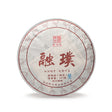
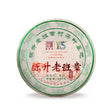
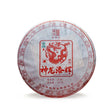
Young raw pu-erh is bright and lively, with a floral, fruity or honey-like aroma and a bitterness that turns into a lingering sweetness in the throat that tea drinkers call huigan. It is one of the few teas that keeps changing for years after it is pressed. A cake you buy today will taste different in five or ten years, and many drinkers enjoy following that change.
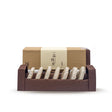
A good place to start is our Raw Pu-erh Tasting Flight, or browse the full raw pu-erh collection.
Why People Enjoy Ripe Pu-erh
Ripe pu-erh is smooth, mellow and dark, with a woody, date-like or cocoa-like aroma. It is forgiving to brew and rarely turns harsh, which makes it a good first pu-erh. Many people like it as a warm cup on a cold day or after dinner, and it pairs well with rich food. Browse our ripe pu-erh collection, or read more about raw vs. ripe pu-erh.
A Tea with a Long History
Pu-erh takes its name from the old tea-trading town of Pu'er in southern Yunnan. Compressed into cakes and bricks so it could travel, tea from Yunnan was carried for centuries along the Tea Horse Road, and pu-erh was a tribute tea to the Qing court. Today it is poured in tea houses from Kunming to Hong Kong.
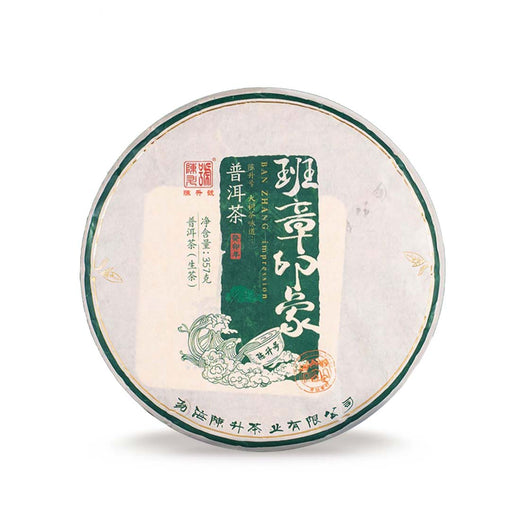
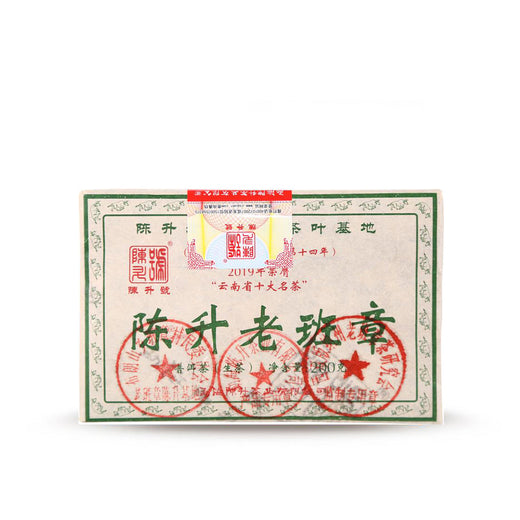
Chen Sheng Hao (陈升号) has been making pu-erh in Menghai, Yunnan, since 2007, working with tea gardens in areas such as Lao Ban Zhang.
Where Pu-erh Fits in Your Day
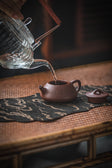
Part of pu-erh's appeal is the ritual. A gongfu session with a gaiwan or small teapot asks you to slow down for a few minutes, pay attention to the aroma and watch the color of each infusion change. Some people make a pot in the morning instead of coffee, some keep a thermos at their desk, and others save ripe pu-erh for after dinner. There is no right time; drink it when you enjoy it, keeping caffeine in mind.
How to Brew Pu-erh
A simple starting point: use about 5–7 grams of leaf in a 100–120 ml gaiwan or small teapot, rinse the leaves once for 5–10 seconds with water just off the boil, then brew with the same just-boiled water in short steeps of about 5–10 seconds, adding a few seconds with each infusion. Good pu-erh will give you 8–15 infusions from the same leaves. For step-by-step instructions, see how to brew pu-erh gongfu style.
Sensible Cautions
- If you're pregnant, breastfeeding, taking medication or managing a health condition, talk to your doctor before changing what you drink.
- Mind the caffeine, especially later in the day.
- Don't drink tea that has visible mold. Well-stored pu-erh can have an aged aroma, but fuzzy white, green or black spots or a musty smell mean the tea should be thrown away. Our guide to storing pu-erh explains how to keep it in good condition.
- Give a freshly poured cup a moment before you drink it; scalding-hot drinks are best avoided.
Choosing Your First Pu-erh
If you're new to pu-erh, a sampler is the easiest way to find out whether you prefer the brightness of raw or the smoothness of ripe. Our tea samples let you try several teas before committing to a full cake, and our teas are China Green Food (绿色食品) certified. Questions? Email us at admin@cspuerh.com.
Frequently asked questions
Can pu-erh tea treat health problems?
No. A cup of tea is not a treatment for anything, and in the US and Canada a food or drink may not be marketed as preventing, treating or curing a disease. If you have a symptom or a health question, your doctor or pharmacist is the right person to ask.
What is in a cup of pu-erh tea?
Like other true teas, pu-erh contains caffeine, polyphenols such as catechins, and the amino acid L-theanine. In ripe pu-erh, fermentation turns much of the catechin content into darker compounds such as theabrownins, which give the liquor its red to deep red color.
What does ripe pu-erh taste like?
Ripe pu-erh is smooth, mellow and dark, with a woody, date-like or cocoa-like aroma. It is forgiving to brew and rarely turns harsh, which makes it a good first pu-erh, and it pairs well with rich food.
What is the best time of day to drink pu-erh?
There is no right time; drink it when you enjoy it, keeping caffeine in mind. Some people make a pot in the morning instead of coffee, some keep a thermos at their desk, and others save ripe pu-erh for after dinner.
Is it safe to drink pu-erh tea every day?
Many people make pu-erh a daily habit; the main thing to watch is caffeine, especially later in the day. If you're pregnant, breastfeeding, taking medication or managing a health condition, talk to your doctor before changing what you drink.
This article is general information about tea, not medical advice. If you're pregnant, breastfeeding, taking medication or managing a health condition, please talk to your doctor before changing what you drink.


