





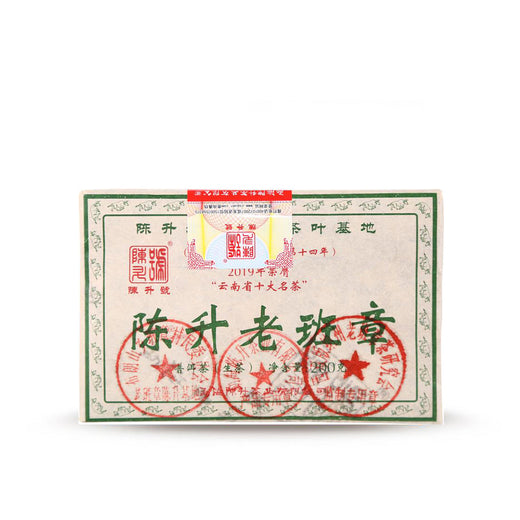


To break a pu-erh cake, slide a pu-erh knife or pick into the edge of the cake, along the layers of leaf, and gently lever off a small piece rather than forcing the cake to crumble. Then put the leaf in a warmed gaiwan or teapot, pour on water just off the boil, and discard it after 5–10 seconds. That quick rinse wakes up the compressed leaf and washes off dust, so your first real infusion is clean and even. Here is how to do both well.
Why Pu-erh Is Pressed
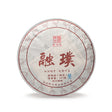
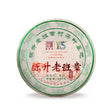
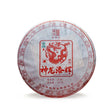
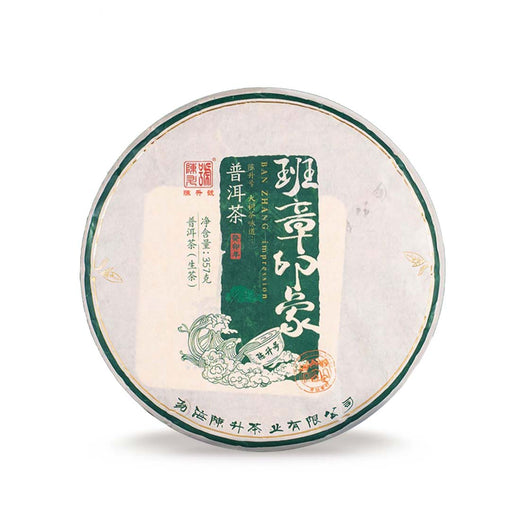
Pu-erh is often pressed into cakes, most commonly 357 g, as well as bricks and tuocha (small bowl shapes). Pressing made tea easier to pack and carry along the old trade routes, and it is still how most pu-erh is sold today. Raw (sheng) pu-erh is pressed from sun-dried maocha and changes slowly with age; ripe (shou) pu-erh is pile-fermented before pressing and is mellow from the start. Both are broken the same way. For more on the formats, see our guide to cakes, bricks and tuocha.
Tools You Need
- Pu-erh knife or pick. This is the safest and easiest tool. A pick has a pointed tip for getting into tight cakes; a pu-erh knife has a flat, fairly blunt blade that separates layers rather than cutting through leaves. Stainless steel is easy to keep clean.
- A plate, tray or clean cloth to catch loose leaf.
- A small scale, at least while you learn how much a piece weighs.
Avoid sharp kitchen knives. They can slip on a hard cake, and they cut through leaves instead of separating them. A pu-erh knife or pick is designed for the job and is the safest choice. You can find them in our teaware.
How to Break a Pu-erh Cake
- Unwrap and look at the cake. Most cakes are pressed in layers, and the edge is usually looser than the center. On the back of a cake there is often a dimple in the middle; leave that area for last, as it is the most tightly pressed.
- Hold the cake firmly on a flat surface. Work from the edge farthest from your holding hand, and always keep the blade pointing away from your fingers.
- Insert the tool at the edge. Push the pick or knife in at a shallow angle, roughly parallel to the surface, so it slides between layers instead of stabbing straight down.
- Lever, don't cut. Gently twist or lift the tool to pop a layer loose. If it resists, pull out and try a spot a little further along.
- Take what you need. Aim for pieces that keep whole leaves visible. Break off enough for one session: about 5–7 g for a gaiwan, or 3–4 g for a mug.
- Put the rest away. Rewrap the cake in its paper and return it to storage. Our storage guide explains how.
Some loose bits and small fragments are normal. You don't need to break up dense chunks completely; they open up during the rinse and first few infusions. If you prefer, break off a larger portion and keep it in a small sealed tin for the next week or two of drinking.
How to Rinse Pu-erh
The rinse is a short first pour that you throw away. It does three things:
- It washes off dust and fine particles from pressing and storage.
- It wets and loosens the compressed leaf, so the first real infusion extracts evenly.
- It warms the gaiwan or teapot, along with your cups if you pour the rinse over them.
To rinse:
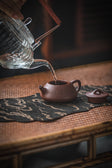
- Bring fresh water to the boil. Use water just off the boil (100°C / 212°F) for raw and ripe pu-erh alike.
- Warm the gaiwan or teapot with a little hot water and pour it out.
- Add the leaf, pour in water to cover it, and put the lid on.
- After 5–10 seconds, pour the water out and discard it.
- Lift the lid and smell the wet leaf. This is a good moment to notice the tea's aroma before you start.
One quick rinse is enough for most teas. Don't let it run long, or you'll lose flavor you want in the cup.
Brewing After the Rinse
Use water just off the boil for every infusion.
Gongfu (gaiwan or small teapot):
- About 5–7 g of leaf in a 100–120 ml gaiwan or pot.
- First infusions: about 5–10 seconds.
- Add a few seconds to each later infusion.
- Good leaf gives 8–15 infusions.
Mug or teapot (Western style):
- About 3–4 g per 250 ml.
- Rinse, then steep 1–2 minutes for the first cup.
- Steep longer for later cups; you'll get 3–4 cups from the leaves.
If the tea tastes too bitter, shorten the steep or use less leaf. Keep the water at a full boil. For a full walkthrough, see our gongfu brewing guide and common brewing mistakes.
Tasting as You Go
Pu-erh changes from one infusion to the next. Look at the liquor color, smell the empty cup, and notice how bitterness turns into huigan (sweet aftertaste) in the minutes after you swallow. Many teas open up over the first few infusions, hold steady through the middle ones, then slowly fade. Small cups make it easier to follow these changes. Our tasting vocabulary can help you put what you notice into words.
Common Questions
Do I have to rinse pu-erh?
We recommend it. A quick rinse cleans the leaf and opens it up, so the first infusion is fuller and more even. It takes only a few seconds.
Should I rinse ripe pu-erh differently?
No. Raw and ripe pu-erh both get one quick rinse of about 5–10 seconds with water just off the boil.
My cake is very hard. What should I do?
Work slowly from the edge with a pick, taking thin layers. Tightly pressed cakes are normal, especially brick and tuocha shapes. Never force the tool toward your hand.
Does breaking the leaves change the taste?
Yes, a little. Broken leaf releases flavor faster and can turn bitter more quickly, so whole pieces brew more evenly. If your tea has a lot of small fragments, use shorter steeps.
Ready to practice? Start with our tea samples, which let you try several cakes without breaking a whole one.


