


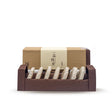
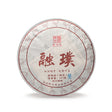
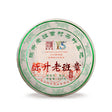
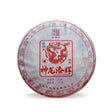






Pu Erh, a tea that originated in Yunnan Province in China, has been becoming popular across the globe in recent years because of its rich flavor and the way it changes as it ages.
(Source: Pexels.com)
In ancient China, Pu Erh tea was used for trading. Thousands of years ago, the mountains of Yunnan Province were the only place in China where all the leaves of Camellia sinensis were harvested to produce Pu Erh. These leaves were transported to different cities across the country and to Tibet for trading.
Pu Erh has a long history of discovery and development. Today, this beverage is classified into two main categories: Raw Pu Erh or Sheng Pu-erh, and Ripe Pu Erh, also known as Shou Pu-erh.
So, if you are interested in learning more about Pu Erh tea in general, this article will help you understand the main differences between Raw and Ripe Pu Erh tea, so keep on reading!
Raw Pu Erh Tea
Raw Pu-Erh is a tea that does not undergo the wet piling method. So basically, the leaves are harvested and stored naturally to age.
-
Production
Pu-Erh tea is produced from the large stems and leaves of Camellia sinensis. Generally, the production of Pu-erh tea is done in two steps. First, all leaves must be commonly treated into Maocha to stop the oxidative enzymes from being activated. Second, Maocha should then undergo fermentation, or it can be stored and sold as-is.
Raw Pu Erh tea is considered the most traditional form of Pu Erh tea. The production process of Raw Pu Erh is comparable to that of green tea, where tea farmers will harvest the leaves and treat them through different phases of sun drying and pan-roasting. In this case, the intensity of sun drying and pan-roasting are regulated to make sure that a small number of biological enzymes are still present in the tea leaves to permit the process of fermentation to occur after some time.
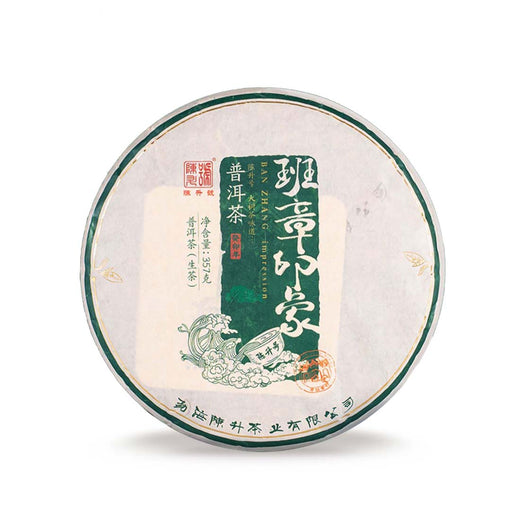
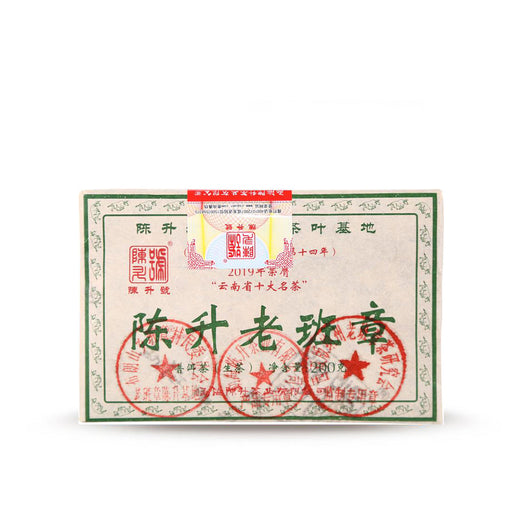
After drying and roasting, the raw product should then be stored. After a few years, Raw Pu Erh can then be sold in a loose-leaf form or pressed form. The loose-leaf form ages quicker than the packed form, so it can be used and enjoyed earlier.
-
Active Components
Raw Pu Erh contains tea polyphenols, including gallic acid, theogallin, epigallocatechin gallate (EGCG) and epicatechin gallate. Because young raw pu-erh has not been wet-piled, it keeps relatively high levels of catechins such as EGCG, which contribute to its brisk, slightly bitter taste when young. As the tea ages, these compounds slowly change, and the flavor becomes deeper and sweeter.
-
Why People Choose It
Many tea lovers choose Raw Pu Erh for its lively, layered flavor: floral and fruity notes, a pleasant bitterness that turns sweet in the throat, and a long aftertaste. It rewards patient gongfu brewing, with many short infusions from the same leaves, each one a little different.
Raw Pu Erh is also the pu-erh to choose if you are interested in aging and collecting. A cake bought young can be tasted over the years as it changes. Raw pu-erh contains caffeine, so if you are sensitive to it, enjoy it earlier in the day and in small cups.
-
Aging Potential
Generally, the longer the Raw Pu Erh tea is aged, the fuller the flavor it achieves. Hence, Raw Pu Erh tea is usually stored for a very long period. Raw Pu Erh tea has an aging potential of approximately 60 to 70 years to achieve a richer and deeper flavor.
-
Color, Flavor, Aroma
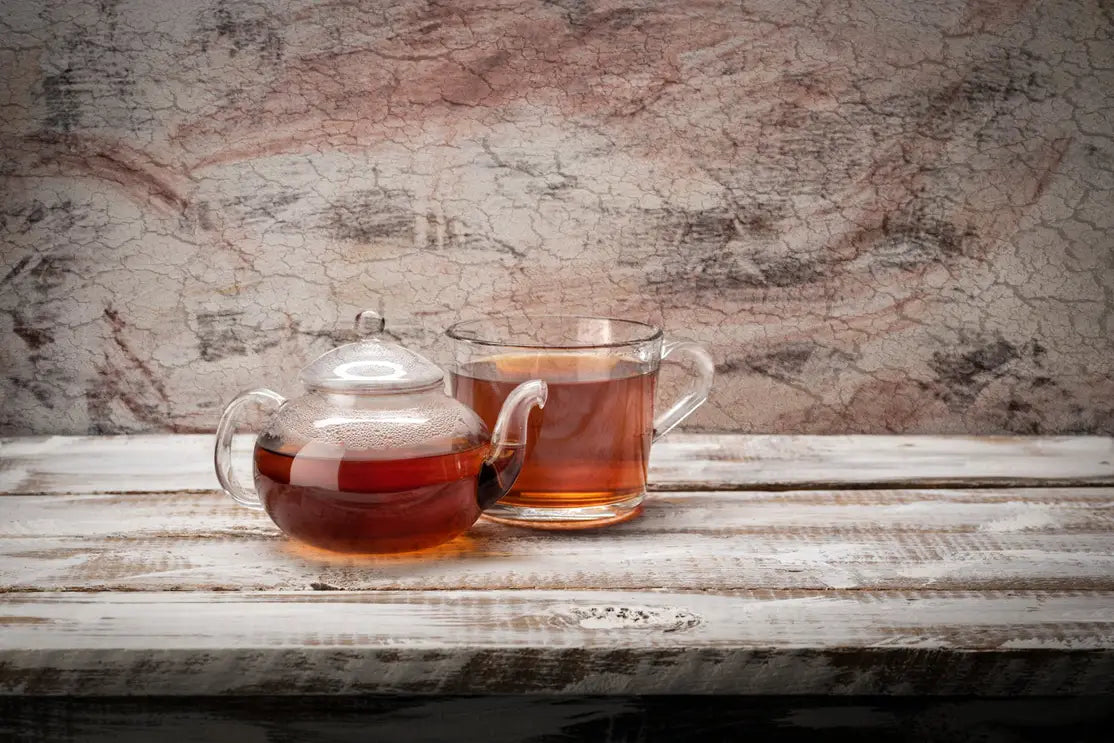
Raw Pu Erh tea typically has a bright yellow or orange tea color.
Raw Pu Erh tea has a wider range of flavors. It can range from bittersweet, flowery, and leafy flavors, especially the younger Raw Pu Erh. As natural fermentation occurs after storing the Raw Pu Erh, its flavor and aroma also significantly change. In most old and aged Raw Pu Erh, the bitter taste has already been lost and has become sweeter. Also, Raw Pu Erh usually has a fresh chestnut aroma because it did not undergo the wet piling process. So, overall, the Raw Pu Erh has a new mild flavor with a precise sweetness in it.
-
Price Point
As a general rule, the longer time it takes to produce the specific Pu Erh, the pricier it gets. Hence, because Raw Pu Erh needs to be stored for an extended period, it is commonly more expensive than Ripe Pu Erh teas. Furthermore, the controlled environmental conditions required to keep Raw Pu Erh also contribute to its more expensive price.
(Source: Pexels.com)
Ripe Pu Erh Tea
Ripe Pu Erh is also known as Shou Pu Erh. This type of Pu Erh tea undergoes the process of wet piling in order to stimulate the fermentation process.
-
Production
The first few steps of producing Ripe Pu-Erh tea are identical to Raw Pu Erh. First, the process involves harvesting stems and leaves of Camellia sinensis. After that, Maocha is made to stop and then undergoes a fermentation process known as Wet Piling, also known as Wo Dui.
The method of Wet piling done for Ripe Pu Erh was developed during the mid-1950s to hasten the fermentation process of Pu Erh and make it fuller and more flavorful
The wet piling process usually involves the following steps:
- Piling uncompressed Pu Erh tea leaves for about a meter high.
- Once piled, these tea leaves are wetted by warm water and covered with a large linen cloth to decrease water evaporation. This step also creates a humid and friendly setting for the fermentation process.
- Aspergillus sp., a principal driver of fermentation in Camellia sinensis leaves, is introduced in the piled tea leaves to enhance the fermentation process further.
- Once the desired level of fermentation has been reached, the tea is then un-piled and aired out.
- These tea leaves are then compressed into cakes, bricks, and many more shapes.
-
Active Components
Wet piling changes the chemistry of the leaves. During this microbial fermentation, much of the tea's catechins are converted into darker compounds such as theaflavins, thearubigins and theabrownin. These give Ripe Pu Erh its deep red liquor and its mellow, rounded taste. Gallic acid and other polyphenols are also present.
The microbes involved in wo dui, mainly Aspergillus and other molds and yeasts, do their work in the pile at the factory. The finished tea is dried, aired out and pressed, and it is brewed with hot water like any other tea.
-
Why People Choose It
Ripe Pu Erh is smooth, earthy and naturally low in bitterness, so it is easy to brew and hard to get wrong. It is a classic daily tea in Yunnan and Guangdong, where it is drunk after rich, meaty meals and with dim sum. Its dark, full body also stands up well to a splash of milk or to blending with flowers such as chrysanthemum.
Because it costs less and is ready to drink when sold, Ripe Pu Erh is a good first pu-erh. Like all true tea, it contains caffeine.
-
Aging Potential
For about ten years, most tea makers put tea leaves under the fermentation process. However, Ripe Pu Erh tea has an aging potential of about 20 years. When this time has been reached, the flavor of Ripe Pu Erh tea has already plateaued. During this time, the flavor development has already leveled off. Therefore, most tea makers already market the Ripe Pu Erh at this age.
-
Color, Flavor, and Aroma
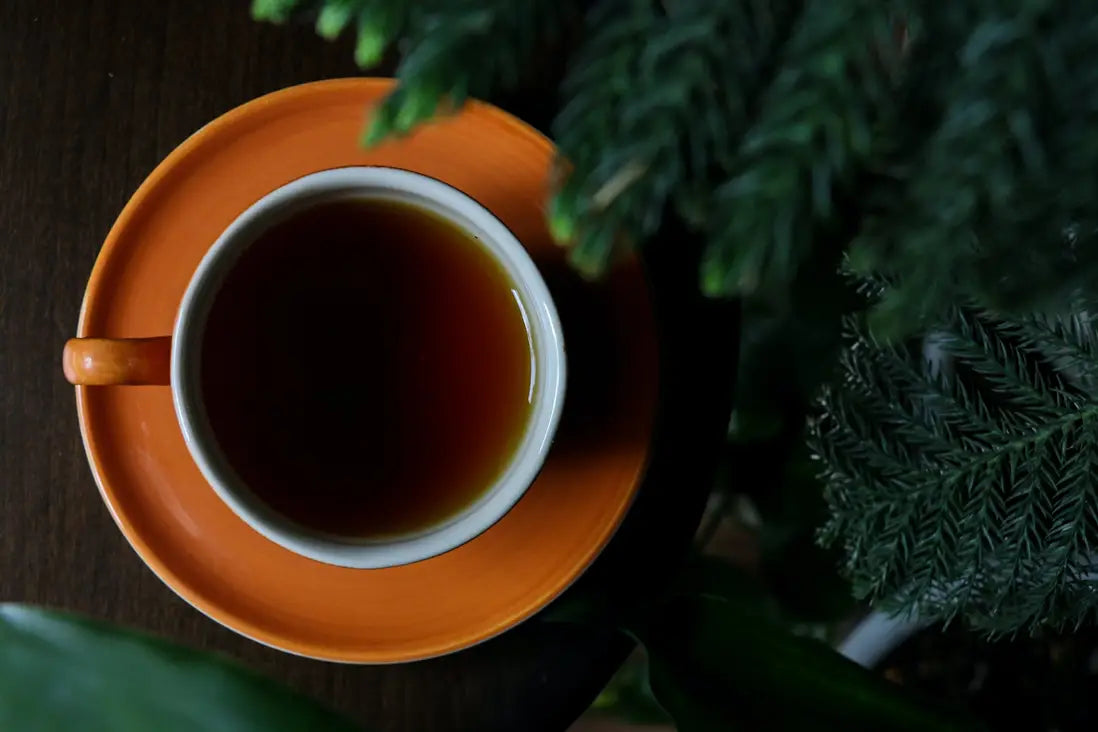
Due to the accelerated fermentation process, Ripe Pu Erh tea usually has a dark red tea color. Furthermore, the fermentation converts much of the tea's catechins into darker compounds, which gives Ripe Pu Erh a milder, rounder flavor. Most people describe its aroma as rich and earthy. Ripe Pu Erh is ideal for daily drinking because it has a smooth and mellow texture and a rich, full-flavored aroma.
-
Price
Ripe Pu Erh tea usually costs less than Raw Pu-erh because the production requires a shorter time.
Bottom line:
Now that you have an idea of the difference between Raw and Ripe Pu Erh, you can decide whether to drink the former or the latter. Choose raw if you enjoy bright, complex flavors and the idea of aging tea; choose ripe if you want a smooth, earthy cup that is ready to drink today. In the end, both Raw and Ripe Pu Erh are surely worthy of the popularity they are getting these few years. Both are a drink worth trying!
References:
- Pedan V, Rohn S, Holinger M, Hühn T, Chetschik I. Bioactive Compound Fingerprint Analysis of Aged Raw Pu'er Tea and Young Ripened Pu'er Tea. Molecules. 2018 Aug 2;23(8):1931. doi: 10.3390/molecules23081931. PMID: 30072634; PMCID: PMC6222816.
This article is general information about tea, not medical advice. If you're pregnant, breastfeeding, taking medication or managing a health condition, please talk to your doctor before changing what you drink.


