


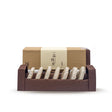
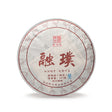
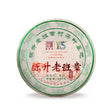
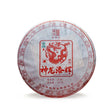



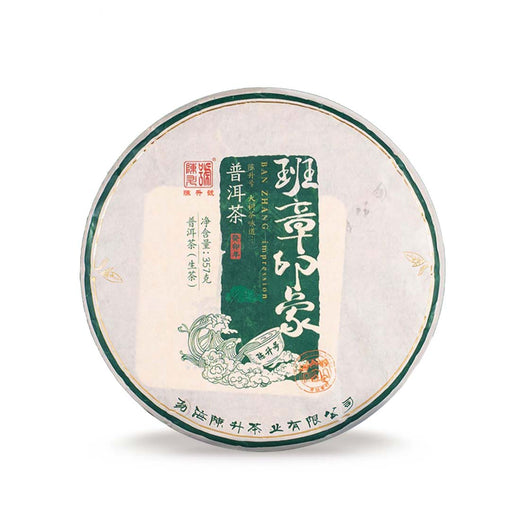
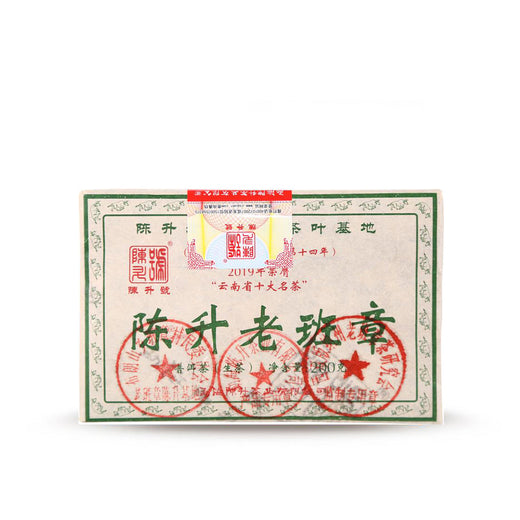


Shop our premium Pu Erh tea collection—available in both ripe and raw varieties!
Pu erh tea captivates tea enthusiasts around the world with its unique qualities and rich history. This fermented tea from China's Yunnan province offers a complex flavor profile and aging potential that set it apart from other varieties.
We've compiled 10 compelling reasons why pu erh tea holds a special place in the hearts of tea lovers everywhere. From its earthy taste to its cultural significance, pu erh tea continues to intrigue and delight those who appreciate the finer aspects of tea drinking. Let's explore why this ancient brew remains a favorite among connoisseurs and casual sippers alike.
1) It Gets Better with Age
Pu erh tea is renowned for its unique aging process. Unlike other teas, pu erh improves with time, developing complex flavors and aromas as it matures.
Many tea enthusiasts compare pu erh to fine wine or aged whiskey. The longer it's stored, the more valuable and sought-after it becomes.
Aging pu erh is an art form. Careful storage conditions allow the tea to undergo natural fermentation, transforming its taste and character over the years.
Well-aged pu erh can develop notes of earth, wood, and even hints of dark chocolate or dried fruit. These rich flavors are prized by tea connoisseurs worldwide.
Some vintage pu erh teas can be decades or even centuries old. These rare specimens fetch high prices and are treasured by collectors and aficionados alike.
The aging process also affects pu erh's appearance and texture. Over time, the tea leaves darken and the brew becomes smoother and more full-bodied.
2) Rich, Earthy Flavor
Pu erh tea captivates us with its distinctive rich, earthy flavor profile. This unique taste sets it apart from other teas, offering a bold and complex experience.
The deep, full-bodied flavor often reminds us of damp soil or forest floor. It carries notes of wood, leather, and sometimes even a hint of mushrooms.
As the tea ages, its flavor evolves and intensifies. Older pu erh teas develop more depth and nuance, much like fine wines.
We find that pu erh's earthy taste pairs exceptionally well with rich, savory foods. It can cut through fatty flavors and cleanse the palate.
Many tea enthusiasts appreciate pu erh's smooth, creamy mouthfeel. This contributes to a satisfying drinking experience that keeps us coming back for more.
The flavor of pu erh can vary depending on its age, processing method, and storage conditions. This diversity allows us to explore a wide range of taste profiles within a single category of tea.
3) A Classic After-Meal Tea
In Yunnan, Guangdong and Hong Kong, pu erh has long been the tea people pour with rich, hearty food. It is a fixture at dim sum, where its dark, smooth cup sits alongside dumplings, roast meats and pastries.
Its earthy depth stands up to fatty, savory dishes in a way lighter teas can't, and its clean finish leaves the palate ready for the next bite.
Many tea lovers simply enjoy a cup after dinner as a warm, unhurried end to the meal. Ripe pu erh is a popular choice because it tastes mellow even when brewed strong.
Pu erh is a drink to enjoy, not a treatment. If you have ongoing digestive symptoms, a doctor is the right person to talk to.
4) You Can Brew It Many Times
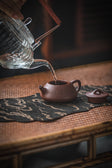
One of the joys of pu erh is how many times you can steep the same leaves. Brewed gongfu-style in a small teapot or gaiwan, a good cake can give eight, ten or even more infusions.
Each infusion tastes a little different. The first cups are often bold and full, the middle ones round and sweet, and the last ones soft and mellow.
This makes pu erh good value in the cup and a natural fit for long, slow sessions with friends.
To start, try about 5 to 7 grams of leaf in a 100 ml vessel. Rinse once with boiling water, then steep for 10 to 20 seconds and lengthen the time as you go.
5) Smooth Enough to Drink Plain
Ripe pu erh in particular has very little bitterness, so most people drink it without milk, sugar or lemon.
That makes it an easy choice if you'd like a warm drink that tastes rich without anything added. Plain brewed tea has almost no calories.
No tea is a weight-loss product, whatever you may read online. Enjoy pu erh for its taste, and for questions about weight or diet, talk to your doctor or a registered dietitian.
If you're new to plain tea, start with a ripe pu erh brewed a little lighter, then add more leaf as your palate adjusts.
6) Unique Fermentation Process
Pu erh tea captivates tea enthusiasts with its distinctive fermentation process. Unlike other teas, pu erh undergoes a post-fermentation phase that sets it apart.
This process involves carefully aging the tea leaves in controlled environments. Microorganisms play a crucial role, transforming the tea's flavors and properties over time.
The fermentation can last anywhere from a few months to several decades. As the tea ages, it develops deeper, more complex flavors and aromas.
We find that this unique process contributes to pu erh's rich, earthy taste profile. It also gives each producer's tea its own character, which many tea lovers enjoy exploring.
The fermentation method for pu erh varies between producers. Some use traditional techniques passed down through generations, while others employ modern methods.
This diversity in production adds to the allure of pu erh tea. It offers tea enthusiasts a wide range of flavors and qualities to explore and enjoy.
7) A Window into Terroir
Pu erh is made from the large-leaf Yunnan tea plant (Camellia sinensis var. assamica), and the mountain it grows on matters. Teas from Bulang, Yiwu, Jingmai or Lincang can taste strikingly different.
Raw pu erh shows its origin especially clearly: some cakes are floral and honeyed, others bitter and bold, others fruity or smoky.
Like all tea, pu erh contains polyphenols such as catechins, and fermentation produces compounds called theabrownins, which contribute to the dark color of ripe pu erh.
For many enthusiasts, tasting their way across these regions is half the fun.
8) Caffeine You Can Adjust
Pu erh contains caffeine, as all true tea does. How much ends up in your cup depends on the leaf, how much you use, the water temperature and the steeping time.
Gongfu brewing with short steeps spreads the caffeine across many small cups, while a long, strong mug gives you more at once.
If you're sensitive to caffeine, choose ripe pu erh in small amounts, brew it lighter and enjoy it earlier in the day. For a caffeine-free evening cup, an herbal infusion is the better choice.
Pu erh also contains L-theanine, an amino acid found naturally in tea leaves.
If you're pregnant, breastfeeding or have been advised to limit caffeine, check with your doctor about how much tea is right for you.
9) Tradition and Ceremony
Pu erh tea holds a special place in Chinese tea culture. We appreciate its rich history and the traditional ceremonies surrounding its preparation and consumption.
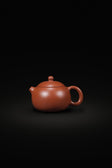
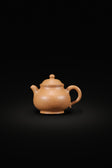
Many tea enthusiasts are drawn to the ritualistic aspects of brewing pu erh. The process often involves special teaware and precise techniques passed down through generations.
Pu erh tea ceremonies can be elaborate affairs, fostering a sense of connection to Chinese heritage. We find beauty in the methodical steps of rinsing, steeping, and serving the tea.
The social aspect of sharing pu erh is another cherished tradition. Gathering with friends or family to enjoy this tea creates memorable experiences and strengthens bonds.
Pu erh's aging process adds another layer of tradition. We value the patience and expertise required to properly store and mature these teas over many years.
Learning about pu erh's cultural significance enhances our appreciation. We explore its roots in Yunnan province and its historical importance along ancient tea trading routes.
10) Long Storage Life
Pu erh tea stands out for its exceptional ability to age gracefully. Unlike many other teas, it can be stored for decades without losing quality. In fact, many tea enthusiasts believe pu erh improves with time.
The aging process enhances pu erh's flavor profile, developing deeper, more complex notes. This unique characteristic allows tea lovers to collect and savor vintages from different years, much like fine wines.
Proper storage is key to pu erh's long life. We recommend keeping it in a cool, dry place away from strong odors. Some collectors even invest in special storage cabinets to maintain optimal conditions.
The long shelf life of pu erh makes it an excellent choice for building a tea collection. We can purchase young pu erh and patiently wait as it matures, experiencing how its taste evolves over time.
This durability also means pu erh can be passed down through generations. It's not uncommon for families to inherit aged pu erh cakes, adding sentimental value to the tea-drinking experience.
This article is general information about tea, not medical advice. If you're pregnant, breastfeeding, taking medication or managing a health condition, please talk to your doctor before changing what you drink.


