








From October 13 to 16, 2026, nine social science experts spent four days in Menghai County (勐海县), Xishuangbanna, Yunnan, studying its tea industry and then gave local officials a set of recommendations. The visit, the 2026 "Yunnan Social Science Experts in Menghai" program (云南社科专家勐海行), was organized by the Publicity Department of the Yunnan Provincial Party Committee and the Yunnan Federation of Social Sciences (云南省社会科学界联合会), China News Service reported. Ideas on the table include a shared public brand for Menghai ripe pu'er, a full survey of ancient tea trees, and turning "Menghai flavor" into a standard that can be tested and certified.
Where the experts went
Menghai was the first stop of this year's program, with later visits planned for Wenshan and Cangyuan. Local leaders set the questions and the experts worked on the answers. The focus was on protecting and sustainably using ancient tea mountains, building tea tourism, and how tea companies share income with farmers. Over four days the group visited:
- Nannuo Mountain village (南糯山村) in Gelanghe township (格朗和乡), where tea guesthouses and forest wellness tourism are growing.
- Zhanglang village (章朗村) in Xiding township (西定乡), an old Bulang (布朗族) village that now also has tea and coffee businesses.
- Menghai Tea Factory (勐海茶厂), Yulin Gu Cha Fang (雨林古茶坊) and Mengbala town (勐巴拉小镇), where they looked at modern production lines, a storage system on the scale of 10,000 tonnes, and new long-stay tourism.

The main recommendations
| Expert | Role | Proposal |
|---|---|---|
| Lan Zengquan (蓝增全) | Secretary-general, Ancient Tea Tree Protection and Sustainable Use Innovation Alliance, National Forestry and Grassland Administration | Carry out a full and precise survey of ancient tea trees, and trace the origins of tea culture in the Lancang (Mekong) River basin. |
| Chen Zhengrong (陈正荣) | President, Yunnan Ethnic Tea Culture Research Society | Keep traditional pu'er as the base while developing teas of local ethnic groups, and build a "Menghai ripe tea" (勐海熟茶) public brand with shared standards, labels, traceability and promotion. |
| Guo Hongjun (郭红军) | Acting president, Yunnan Tea Industry Association (云南省茶业协会) | Aim for a product mix of about 10% black tea, 10% ancient-tree raw pu'er, and 80% ripe pu'er plus new-style tea drinks. Make the Nannuo Mountain area a center of tea culture. |
| Yan Ling (晏铃) | Former official, Yunnan Department of Agriculture and Rural Affairs | Turn "Menghai flavor" (勐海味) into technical standards that can be tested and certified, and seek a stronger voice in setting international pu'er standards. |
| Wen Qingzhong (温庆忠) | Chief engineer, Yunnan Institute of Forest Inventory and Planning | Measure the ecological services that ancient tea mountains provide and move "from selling resources to selling experiences." |
Other experts focused on research into pu'er history and culture, high-end tea tourism, and linking Menghai with nearby Jinghong for longer visits. Guo also tied his advice to a national policy: on September 7, 2026, six central government departments issued guidance on developing "historic classic industries," a group that names tea alongside silk and porcelain.
At a feedback session on October 16, Hai Jiang (海江), chairman of the Yunnan Federation of Social Sciences, said the next steps are to refine the advice, put it to use, and keep in regular contact with the county so the proposals take effect. The program has run since 2003 and has visited all 16 prefectures and cities in Yunnan.
What this means for pu'er drinkers
- Ripe pu'er is moving to center stage. An 80% target for ripe tea and new tea drinks shows where Yunnan's industry leaders see daily demand. It follows the first Ripe Tea Conference in Guangzhou on September 21, co-hosted by the Yunnan Pu'er Tea Association.
- Better data on old trees. A full ancient tree survey would give clearer numbers behind "ancient-tree" claims, which matter a lot for raw pu'er prices.
- A clearer meaning for "Menghai". If "Menghai flavor" became a testable standard, a Menghai label could carry a more defined promise about aroma and taste.
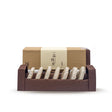
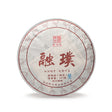
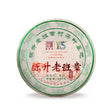
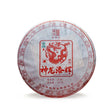
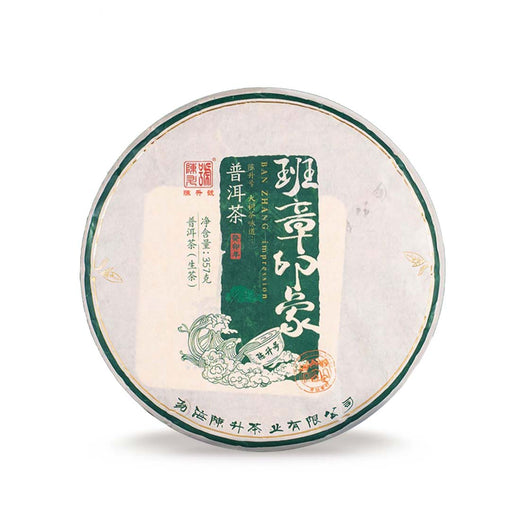
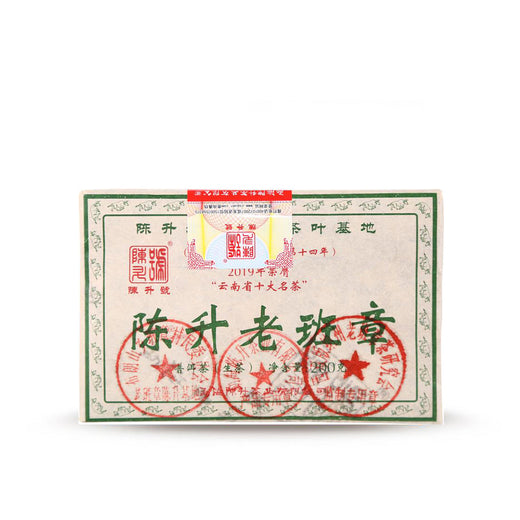
Menghai is also home to Chen Sheng Hao (陈升号), the Menghai producer behind our teas. The report did not name the company, and it was not reported as part of the visit.
Keep it in perspective
These are expert recommendations, not policy. No budget, timeline, or official plan was announced, and the figures in the table are proposals. Much of the discussion was about tourism rather than tea quality. The useful signals to watch are whether Menghai launches a ripe tea public brand, starts an ancient tree survey, or publishes a "Menghai flavor" standard.
If you want to taste where Menghai's ripe tea stands today, our ripe pu'er collection is a good place to start.
Sources: Xiao Biyu (肖弼钰), "从过路客到留量客 社科专家为西双版纳勐海茶文旅康融合'开方'," China News Service, October 16, 2026; Xiao Biyu, "2026年云南社科专家勐海行启幕," China News Service, October 13, 2026; Yunnan News Network roundup via Sohu; 茶周刊, "六部门出台《意见》,激活茶叶、瓷器等历史经典产业!" ipucha.com; 茶周刊, "这场大会重新定义普洱熟茶," ipucha.com, October 14, 2026. Summary and plain-language interpretation by Chen Sheng Tea. Featured image: "Tea fields in front of Buddhist symbols" by tacowitte, CC BY 2.0.


