




Buy your weekday smoothies and get your weekend ones for free. (7 for the price of 5!)
WELLNESSWEEK
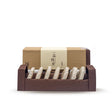
Taste a few styles before you commit to a full cake.
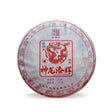
Reliable cakes to brew at home, morning to evening.
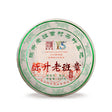
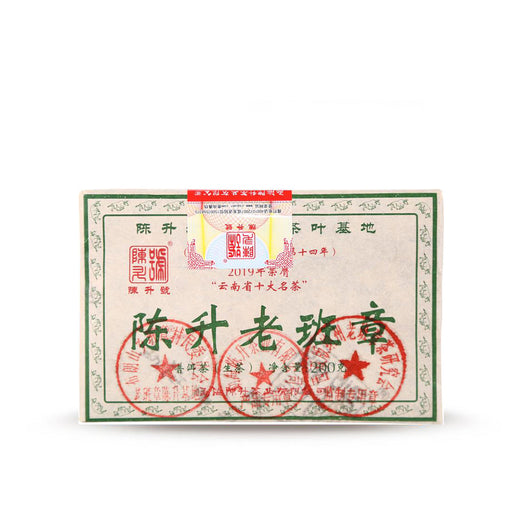
Old-arbor single-origin cakes and aged pu-erh to drink or keep.
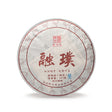
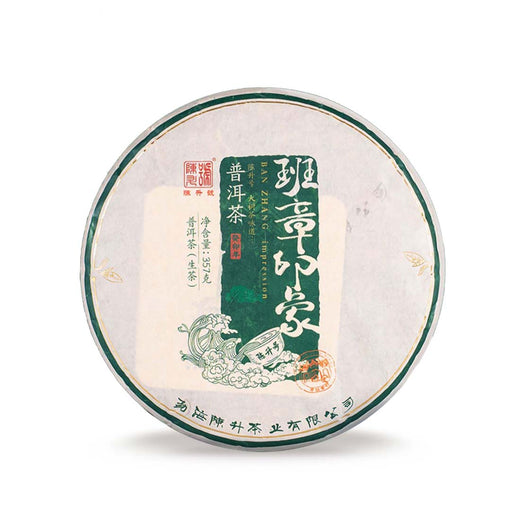
The house blends and annual releases Chen Sheng Hao is known for.


陈升号 · Newsletter
Join our newsletter and we'll send you four short letters, a few days apart:
After that, you'll be the first to hear about new teas and limited releases.
陈升号 · Newsletter
Your first letter, the story behind our tea, is on its way. If it isn't in your inbox in a few minutes, please check your Promotions or Spam folder.

Shop our Pu Erh tea collection—available in both ripe and raw varieties!
Search for pu-erh tea and weight and you'll find big promises: "fat-burning", "slimming", "melts belly fat". We make pu-erh, and we want to be honest with you: no tea burns fat or causes weight loss, and pu-erh is not a weight-loss product. If you have goals around your weight or health, your doctor or a registered dietitian is the right person to help.
So instead of ten "benefits", here are ten honest points about pu-erh, weight and the marketing around both.
Pu-erh is a traditional fermented or aged tea from Yunnan, China. People drink it because they enjoy its deep, earthy flavor. In the US and Canada, food and drink sellers aren't allowed to claim that a product causes weight loss or treats a condition without approval, and we don't think a tea maker should be promising what a drink will do to your body anyway.
Brewed with plain water and nothing added, pu-erh contains essentially no fat, protein or sugar and very few calories. That's a simple composition fact about tea in general, not a special property of pu-erh.
Sugar, honey, syrups, milk, creamers and toppings are where the calories in a tea drink come from. Bottled tea drinks, tea lattes and bubble tea can contain a lot of sugar. If you're watching what you drink, check labels and taste pu-erh on its own first; a good ripe pu-erh is naturally smooth and slightly sweet-tasting, so many people don't miss the sugar.
Some products sold as slimming or detox teas contain laxative herbs such as senna, or other added ingredients. Read the ingredient list of any blend before you drink it, and ask a pharmacist if you're unsure. Our pu-erh is simply tea leaves: China Green Food certified, with nothing added.
Pu-erh comes in two main styles. Raw (sheng) pu-erh is bright, floral and sometimes astringent when young, becoming smoother and deeper as it ages. Ripe (shou) pu-erh is made by a controlled microbial fermentation called wo dui, giving a dark, mellow, earthy cup. If you're new to pu-erh, ripe is usually the easier place to start.
In Yunnan and Guangdong, pu-erh has long been drunk with dim sum and after rich, meaty meals. Many people simply like the way a smooth, earthy tea pairs with rich food and rounds off a meal. That's a matter of taste and tradition, not a digestive effect.
Pu-erh contains caffeine, and how much you get depends mostly on how much leaf you use and how long you steep it. Some people enjoy it as a gentler alternative to a second coffee. If you're sensitive to caffeine, choose ripe pu-erh in small amounts with short steeps, drink it earlier in the day, or switch to a caffeine-free herbal infusion in the evening.
Use water at 95-100°C (203-212°F). For gongfu brewing, rinse 5-7 grams of leaf briefly, then steep for 10-20 seconds and lengthen each infusion; the same leaves can be re-steeped many times through the day. In a mug, use about 3-5 grams and steep for 2-3 minutes. Pu-erh is also good cold-brewed: leave the leaves in cold water in the fridge for 8-12 hours.
For many of our customers, the best thing about pu-erh is the routine itself: warming the pot, watching the leaves open, and taking a few unhurried minutes over a warm, comforting cup. If tea helps you enjoy a moment of calm in your day, that is reason enough to drink it.
If you want to change your weight, are managing a health condition, take medication, or are pregnant or breastfeeding, talk to your doctor or a registered dietitian before making changes to what you eat and drink. Be wary of anyone, including tea sellers, who promises results from a single food or drink.
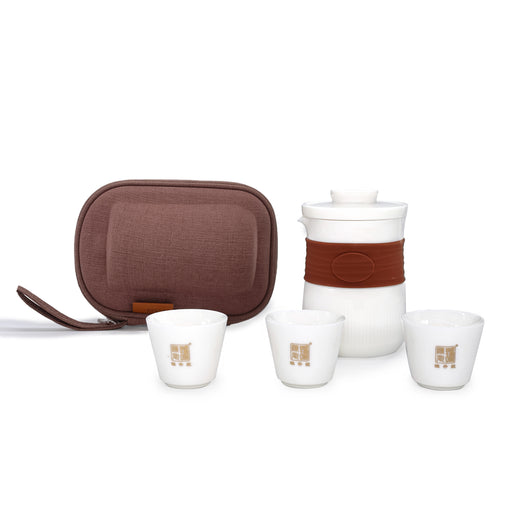
If you'd like to explore pu-erh simply for its flavor, our tea samples are an easy way to try several styles.
This article is general information about tea, not medical advice. If you're pregnant, breastfeeding, taking medication or managing a health condition, please talk to your doctor before changing what you drink.

Every tea page at cspuerh.com now has tasting reviews. Score a tea on the five factors from the Pu'er Tea Association's 2026 standard, get a weighted score out of 100, and describe it with 95 defined tasting words. Simple mode takes about three minutes.

The 95 tasting terms in the Pu'er Tea Association's 2026 quality standard, in English and Chinese — aroma, liquor color and taste, plus how the standard scores a pu'er.

What really drives pu-erh prices, from mountain fame and old-arbor leaf to processing and years of storage, and how to find good value without overpaying.

Shop our premium Pu Erh tea collection—available in both ripe and raw varieties! Pu-erh tea, a beloved fermented variety from...

Shop our Pu Erh tea collection, available in both ripe and raw varieties! Pu erh tea, with its rich history...

Shop our premium Pu Erh tea collection—available in both ripe and raw varieties! In the misty mountains of Yunnan Province,...