


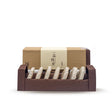
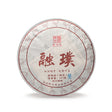
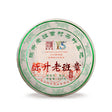
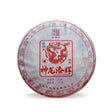






Shop our premium Pu Erh tea collection—available in both ripe and raw varieties!
In the misty mountains of Yunnan Province, Pu Erh tea represents far more than just a beverage—it embodies centuries of cultural heritage, ritualistic preparation, and community bonding. We've traveled through these verdant highlands to witness firsthand how local families have preserved tea traditions that date back to the Tang Dynasty. The elaborate ceremonies surrounding Pu Erh tea preparation in Yunnan reveal a profound respect for nature, time, and craftsmanship that transcends mere consumption.
The distinctive earthy aroma of properly aged Pu Erh fills traditional tea houses where elders pass down knowledge to younger generations through daily rituals. Each step—from warming the cups to the precise pouring technique—carries symbolic meaning that connects participants to their ancestors. What struck us most during our visits was how these ceremonies pause time in our otherwise rushed world, creating sacred spaces for conversation and contemplation.
Key Takeaways
- Pu Erh tea ceremonies in Yunnan Province embody cultural values of patience, respect, and community connection that have been preserved for centuries.
- Traditional brewing methods involve specific tools, water temperatures, and techniques that enhance both the flavor profile and the meditative experience.
- The unique fermentation process of Pu Erh tea creates distinctive flavor complexities that improve with age, similar to fine wine.
History and Origin of Pu Erh Tea
Pu Erh tea traces its roots back over 2,000 years to the ancient forests of Yunnan province in southwestern China. The tea's distinctive fermentation process developed as a practical solution for preserving tea leaves during long journeys while deepening their flavor.
Ancient Tea Horse Road
The Ancient Tea Horse Road, a network of caravan paths stretching across China, Tibet, and other Asian countries, played a crucial role in Pu Erh's development. This 1,400-mile mountain highway served as the primary trade route for transporting Pu Erh tea from Yunnan to Tibet and beyond during the Tang Dynasty (618-907 CE).
Merchants would compress tea leaves into cakes for easier transport on horseback through challenging mountain terrain. The journey often took months, during which the tea naturally fermented due to moisture and varying temperatures.
Tibet's nomadic peoples valued Pu Erh as a daily staple, churning it with butter and salt into butter tea. They would trade powerful horses for the prized tea, establishing a mutually beneficial economic relationship that lasted centuries.
Evolution of Pu Erh Processing
Early Pu Erh processing was relatively simple - tea leaves were picked, withered, and dried before being compressed. We've discovered through historical records that the deliberate fermentation process didn't become standardized until the Ming Dynasty (1368-1644).
Two primary processing methods emerged over time: Sheng (raw) and Shou (ripe) Pu Erh. Sheng Pu Erh follows traditional methods, allowing natural aging over many years. Shou Pu Erh, developed in the 1970s, uses accelerated fermentation to mimic the effects of decades of aging in just months.
The imperial court of the Qing Dynasty (1644-1912) particularly prized aged Pu Erh, contributing to its prestigious status. Special imperial tribute teas were selected from specific mountains in Yunnan and presented to emperors as gifts.
Today, vintage Pu Erh cakes from the early-to-mid 20th century command extraordinary prices at auction, sometimes fetching thousands of dollars per cake.
Pu Erh Tea Classification
Pu Erh tea from Yunnan Province is categorized through distinct processing methods and quality grades, each offering unique flavor profiles and aging potential.
Raw (Sheng) vs. Ripe (Shou) Pu Erh
Raw Pu Erh, known as Sheng, undergoes minimal processing after harvesting. The leaves are picked, withered, pan-fired, rolled, and sun-dried, allowing for natural fermentation over time. This traditional method produces tea that can age for decades, developing complex flavors that transition from bitter and astringent to sweet and mellow.
Ripe Pu Erh, or Shou, was developed in the 1970s to accelerate the aging process. It undergoes an additional wet-piling (wo dui) step where leaves are moistened and piled under controlled conditions, speeding up fermentation to weeks rather than years.
The differences between these types are striking. Sheng typically offers bright, sometimes assertive flavors with floral or fruity notes. Shou presents as earthy, woody, and smooth with less astringency and a darker brew color.
Grades of Pu Erh Tea
Pu Erh tea quality is assessed through several criteria:
Leaf Grade System:
- Imperial: Buds and youngest leaves (highest grade)
- Grade 1-9: Descending quality based on leaf position and size
Production Region:
- Six Famous Tea Mountains (Liu Da Cha Shan) teas command premium prices
- Menghai, Bulang, and Yiwu regions are particularly renowned
Age significantly affects both quality and price. Well-stored vintage Pu Erh may sell for thousands of dollars per cake, particularly those from before 1970, which we call "antique" Pu Erh.
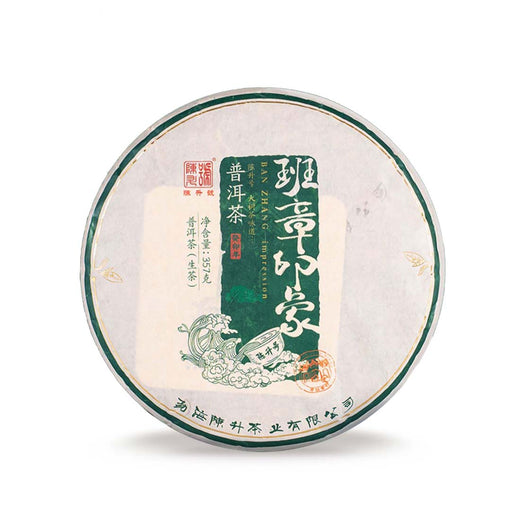
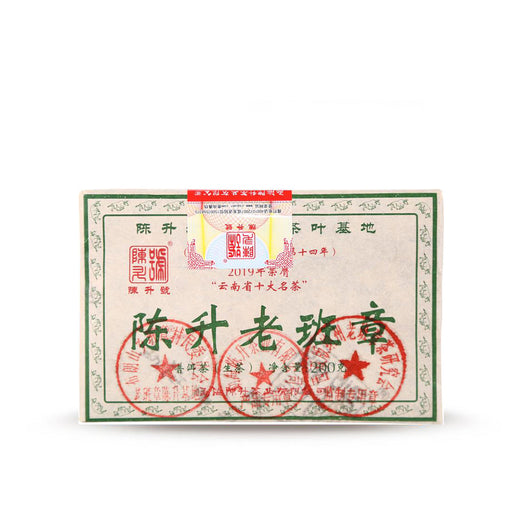
Compression type also indicates grade. Pu Erh comes in various forms including bings (disc-shaped cakes), tuos (bowl shapes), and bricks. The tightness and evenness of compression reflect craftsmanship quality.
Cultural Significance
Pu Erh tea transcends mere consumption in Yunnan, representing centuries of heritage and social bonds. The tea embodies ancestral wisdom and serves as a cultural cornerstone that connects generations through shared rituals.
Tea Ceremonies and Rituals
In Yunnan homes, Pu Erh preparation follows time-honored methods that reveal deep respect for the tea. The traditional "gong fu" ceremony utilizes small clay teapots, aroma cups, and precise water temperatures that highlight the tea's complex flavors.
We've observed families gathering around tea tables as elders demonstrate the proper techniques to younger generations. The first steeping is often discarded—a ritual called "washing the tea"—to awaken the leaves and cleanse them of dust.
The ceremony typically progresses through multiple infusions, with each steeping revealing different flavor profiles. Tea masters can perform up to 20 infusions from quality Pu Erh, with each cup assessed for aroma, taste, and mouthfeel.
Symbolism in Yunnan Society
Pu Erh tea cakes symbolize unity and prosperity in Yunnan culture. Traditionally pressed into round discs, these cakes represent completeness and family harmony.
The aging process of Pu Erh parallels human wisdom—both become more valuable and complex with time. Many families maintain tea collections spanning decades, passing them down as heirlooms that appreciate in both value and sentiment.
During important celebrations like weddings and Lunar New Year, Pu Erh features prominently as a symbol of respect. Offering the finest aged tea to guests demonstrates the highest form of hospitality.
For many ethnic minorities in Yunnan, including the Dai and Bulang peoples, Pu Erh rituals connect them to ancient traditions and ancestral lands where tea trees have grown for centuries.
Traditional Brewing Methods
Brewing Pu Erh tea in Yunnan follows time-honored traditions that have been refined over centuries to extract the fullest flavor. The techniques balance precision with artistry, employing specific temperatures, vessels, and timing.
Gongfu Tea Ceremony
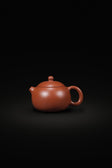
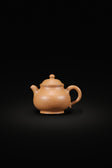
The Gongfu method represents the pinnacle of Pu Erh brewing traditions in Yunnan. This ceremonial approach uses small Yixing clay teapots or gaiwans (lidded cups) that enhance the tea's earthy character.
First, we warm all vessels with hot water, allowing the clay to expand slightly and prepare for brewing. This step also cleans the teaware and heightens aromatic perception.
The ceremony employs a tea-to-water ratio of approximately 1:20, much higher than Western brewing styles. This concentration reveals Pu Erh's complex flavor profile.
Multiple short infusions—often starting at 5-10 seconds and gradually increasing—allow us to experience how the tea transforms across steepings. The darkest liquor typically emerges around the third or fourth infusion.
Step-by-step Brewing Guide
To properly brew Pu Erh at home, we recommend following these essential steps:
- Water temperature: 95-100°C (203-212°F) for aged or ripe Pu Erh; slightly lower for young raw varieties
- Rinsing: Pour hot water over the leaves and immediately discard this "wash" to awaken the leaves
-
Steeping times:
- First infusion: 10-15 seconds
- Second infusion: 15-20 seconds
- Add 5-10 seconds for each subsequent infusion
The best brewing vessels have excellent heat retention. Traditional Yixing clay pots develop a seasoned patina over time that enhances the tea's character.
We observe the liquid's color transition from light amber to deep mahogany with successive brews. The aroma should evolve from woody and earthy to sweet and fruity notes in quality aged Pu Erh.
Tasting Notes and Flavors
Pu Erh tea offers a complex sensory experience that evolves dramatically with age and processing methods. The flavor profiles range from earthy and woody to fruity and floral, with remarkable depth that tea connoisseurs spend years learning to appreciate.
Understanding the Flavor Profile
Raw (sheng) Pu Erh presents bright, vegetal notes when young, with distinctive astringency and a pleasant bitterness that lingers on the palate. These teas often carry hints of fresh hay, wild honey, and stone fruits.
Ripe (shou) Pu Erh displays deep, earthy characteristics reminiscent of forest floor, wet wood, and compost—in the most delightful way. The fermentation process creates rich notes of dark chocolate, mushrooms, and damp soil.
A well-crafted Pu Erh will exhibit hui gan—a pleasant returning sweetness that emerges after the initial taste. This quality is highly prized among Pu Erh enthusiasts.
The mouthfeel of Pu Erh ranges from smooth and silky to thick and soupy, depending on age and processing. We often describe premium aged samples as having a comforting, "warming" quality.
The Role of Aging in Taste
Unlike most teas, Pu Erh improves with age, developing fascinating complexity through natural microbial activity. Young raw Pu Erh can be sharp and aggressive, but after 3-5 years, harsh notes mellow into balanced sweetness.
Well-aged Pu Erh (15+ years) develops prized characteristics:
- Camphor notes
- Dried fruit sweetness
- Notes of dried Chinese herbs
- Diminished astringency
- Enhanced smoothness
Storage conditions dramatically influence flavor development. Teas aged in humid environments mature faster, developing deeper, darker profiles. Dry-stored teas maintain brighter notes longer but evolve more slowly.
We find that temperature fluctuations can accelerate aging while introducing interesting flavor dimensions.
Pu Erh in Everyday Yunnan Life
In Yunnan, pu erh is less a special-occasion drink than part of the rhythm of the day. It is poured for guests and brewed again and again from the same leaves while people talk.
Tea at the Table
Pu erh has long been drunk with and after rich, meaty or oily meals, both in Yunnan homes and in the dim sum restaurants of southern China, where it is still the tea most often poured alongside heavy dishes. People like the way its earthy depth stands up to strong flavors and leaves the palate feeling clean.
Many families keep a few aged cakes set aside for guests, for festivals or for a meal that deserves something special. Breaking off a piece of an old cake for a visitor is a quiet gesture of respect.
What We Can and Can't Say About Health
You will hear many stories in Yunnan about what pu erh is supposed to do. We treat these as part of the culture, not as facts about the tea, and we don't make health claims for our teas. Tea is not a treatment for any condition; if you have symptoms or a health concern, a doctor or pharmacist is the right person to ask.
What we can say plainly: pu erh contains caffeine and polyphenols such as catechins, and ripe pu erh is made by microbial fermentation (wo dui). If you're sensitive to caffeine, choose ripe pu erh in small amounts, drink it earlier in the day, or switch to a caffeine-free herbal infusion in the evening. Let your tea cool a little rather than drinking it scalding hot, and never brew a cake that shows mold.
Global Influence and Trade
Pu Erh tea has transcended its local origins in Yunnan to become a globally recognized commodity, with increasing demand in international markets creating new trade routes and cultural interpretations.
Export and Worldwide Recognition
The export of Pu Erh tea began during the Tang Dynasty through the Ancient Tea Horse Road, connecting Yunnan with Tibet, Nepal, and beyond. This historic trade route established Pu Erh as one of China's earliest internationally traded commodities.
By the 1970s, Hong Kong became the primary gateway for Pu Erh entering Western markets. The territory's merchants played a crucial role in promoting aged varieties to collectors worldwide.
Today, Pu Erh commands premium prices at international auctions, with rare aged cakes sometimes fetching thousands of dollars. Annual tea exports from Yunnan have grown by approximately 15% yearly since 2010.
Major markets include Japan, South Korea, Malaysia, and increasingly, North America and Europe. The establishment of dedicated Pu Erh tea houses in cities like London, Paris, and New York demonstrates its growing global footprint.
Adaptations and Innovations Abroad
As Pu Erh has traveled abroad, we've witnessed fascinating adaptations of traditional serving methods. In Western countries, shorter steeping times have become common to accommodate different taste preferences.
Innovative packaging formats have emerged, including convenient single-serving sachets and modern compressed shapes beyond the traditional cake and brick forms. These adaptations make this once-exclusive tea more accessible to casual consumers.
International tea blenders have created fusion products combining Pu Erh with local ingredients. Examples include French lavender-infused Pu Erh and American bourbon barrel-aged varieties.
Pu Erh has also found its way into newer products such as kombucha blends and ready-to-drink teas.
Despite these innovations, collectors and purists continue to value traditionally produced and aged Pu Erh, ensuring that authentic processing methods remain economically viable for Yunnan producers.
Sustainable Practices and Future
The traditional Pu Erh tea industry in Yunnan Province is increasingly embracing sustainable practices that honor centuries-old methods while adapting to modern environmental challenges. Many tea gardens are cutting back on the chemical pesticides that gained popularity in the late 20th century; Chen Sheng Hao's teas, for example, are China Green Food certified.
We've observed a growing movement among younger tea farmers who combine ancestral knowledge with innovative approaches to land management. These farmers are implementing agroforestry systems where tea plants grow alongside native forest species, enhancing biodiversity and soil health.
Climate change poses significant threats to tea cultivation in the region. Unpredictable rainfall patterns and rising temperatures have affected harvest times and tea quality in some areas.
Key Sustainable Initiatives in Pu Erh Production:
- Preservation of ancient tea trees (some over 800 years old)
- Water conservation techniques
- Biodegradable packaging alternatives
- Fair trade certifications for ethical sourcing
The digital age has connected remote Yunnan tea villages with global markets, creating economic opportunities while raising awareness about sustainable practices. Tea tourism has emerged as a promising avenue for cultural preservation and economic diversification.
Several community cooperatives now focus on maintaining traditional processing methods while improving working conditions. Women-led initiatives have been particularly successful in balancing economic growth with environmental stewardship.
Frequently Asked Questions
Pu-erh tea sits at the heart of Yunnan's cultural identity, serving as both a daily beverage and a ceremonial symbol. The traditions surrounding this distinctive tea have developed unique characteristics that reflect the region's diverse ethnic influences.
What are the traditional ways of preparing Pu-erh tea in Yunnan?
In Yunnan, the most authentic preparation method involves the "gongfu" tea ceremony. We first rinse the compressed tea with hot water for a few seconds, then discard this liquid to "awaken" the leaves.
Water temperature is crucial—typically 95-100°C for aged pu-erh and slightly lower for young pu-erh. The first infusion lasts about 10-15 seconds, with subsequent steepings gradually increasing in duration.
Many Yunnan families use a purple clay (Yixing) teapot or a gaiwan (lidded bowl) which enhances the tea's unique earthy qualities. The small cups used in traditional service allow drinkers to appreciate the aroma before tasting.
How does Pu-erh differ from other teas grown in Yunnan?
Yunnan also grows green tea and the black tea known as Dian Hong. What sets pu-erh apart is its post-fermentation: raw pu-erh keeps changing slowly as it ages, and ripe pu-erh is made by microbial fermentation (wo dui), which gives it its dark color and smooth, earthy taste.
That aging means a pu-erh cake can taste quite different after five or ten years, which is why people in Yunnan collect it in a way they rarely collect green tea.
All of these teas contain caffeine. If you'd like a warm cup late in the evening, a small, light infusion of ripe pu-erh or a caffeine-free herbal infusion is a better fit than a long gongfu session.
What is the significance of Pu-erh tea ceremonies in Yunnan's culture?
Tea ceremonies in Yunnan serve as important social bonds between families and communities. The ritualistic preparation creates moments of connection and respect, particularly when welcoming guests or celebrating important occasions.
For many ethnic groups like the Dai and Bulang people, pu-erh ceremonies mark significant life events. The sharing of multiple infusions from the same leaves symbolizes enduring relationships and hospitality.
These ceremonies also function as informal education spaces where tea knowledge passes from elders to younger generations. We've documented ceremonies lasting several hours, with conversations flowing as freely as the tea.
When is the most appropriate time to partake in Pu-erh tea for its cultural experience?
Morning drinking of pu-erh tea is common among Yunnan residents, particularly aged varieties, as a warm start to the day. Mid-afternoon sessions often accompany social gatherings or business meetings.
Special occasions like weddings, family reunions, or harvest celebrations feature elaborate pu-erh ceremonies. Visiting a tea farmer's home during spring harvest offers the most authentic cultural immersion.
The practice of drinking pu-erh after heavy meals has deep cultural roots, with locals saying its earthy taste "cuts through" rich, fatty foods. Many tea houses become busiest in late afternoon when people seek refreshment and connection.
How has the practice of consuming Pu-erh tea evolved in Yunnan over the years?
Traditional bamboo-compressed pu-erh has given way to more sophisticated cake and brick forms. Modern production now includes stricter hygiene standards while maintaining traditional fermentation techniques.
Young people in urban Yunnan increasingly enjoy innovative pu-erh beverages like cold-brewed varieties and tea-infused cocktails. However, rural areas maintain centuries-old customs with minimal change.
International interest has created economic opportunities for tea-growing communities. We've witnessed entire villages transitioning from subsistence farming to specialized pu-erh production, significantly improving living standards while preserving cultural practices.
Is it fine to drink Pu-erh every day?
In Yunnan many people drink pu-erh throughout the day, steeping the same leaves again and again. We don't make health claims for it, but a few practical points apply to any tea.
Pu-erh contains caffeine, so keep an eye on how much you drink, especially later in the day. If you're pregnant, breastfeeding, taking medication or managing a health condition, ask your doctor how tea fits into your diet.
Drink it warm rather than scalding hot, and never brew a cake that shows mold or smells sour or musty.
This article is general information about tea, not medical advice. If you're pregnant, breastfeeding, taking medication or managing a health condition, please talk to your doctor before changing what you drink.


