


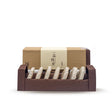
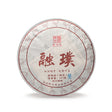
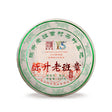
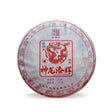






Shop our Pu Erh tea collection, available in both ripe and raw varieties!
Pu erh tea, with its rich history dating back centuries in Yunnan Province, China, offers more than just a pleasant drinking experience. Making this fermented tea part of your day can be as simple as a morning pot, an after-lunch cup or a slow evening session, and each brings out a different side of the leaf. We've been drinking pu erh daily for years and have found it fits naturally at various points throughout the day.
Many tea enthusiasts overlook pu erh's versatility, relegating it to special occasions rather than everyday enjoyment. Its earthy complexity evolves throughout multiple steepings, making it an economical choice that rewards patience. Whether you want a morning alternative to coffee or a slow afternoon cup, pu erh adapts to your lifestyle. Just remember that it contains caffeine, so plan your cups with that in mind.
Key Takeaways
- Pu erh tea fits easily into a morning routine as a warm, full-flavored alternative to coffee.
- An afternoon pu erh ritual offers a calm break and pairs well with both meals and snacks.
- Brewing techniques like gongfu style or cold steeping unlock different flavor profiles of pu erh tea.
Understanding Pu Erh Tea
Pu Erh tea stands as one of China's most distinctive and historically significant teas. This fermented tea offers unique characteristics that distinguish it from other varieties, with a rich cultural heritage and a flavor that keeps changing as it ages.
History and Origin
Pu Erh tea originated in Yunnan Province, China over 1,700 years ago during the Eastern Han Dynasty. Named after the trading town of Pu'er, this tea gained prominence along the ancient Tea Horse Road, where it was compressed into cakes for easier transport to Tibet and beyond.
The tea's unique post-fermentation process was discovered somewhat accidentally. When merchants transported tea leaves over long distances, the natural fermentation that occurred actually improved the flavor rather than spoiling it.
Imperial China prized Pu Erh tea so highly that it was often presented as tribute to emperors. Today, vintage Pu Erh teas are collected like fine wines, with some rare cakes fetching thousands of dollars at auction. The oldest verified Pu Erh dates back to the 1950s, though some collectors claim to possess even older specimens.
Types of Pu Erh Tea
Pu Erh tea comes in two main varieties: Sheng (raw) and Shou (ripe). Sheng Pu Erh is the traditional form, aged naturally over time. When young, it presents bright, astringent qualities that gradually transform into deeper, more complex flavors with aging.
Shou Pu Erh, developed in the 1970s, undergoes an accelerated fermentation process called "wet piling" that mimics years of natural aging in just months. This creates a smoother, earthier profile right from production.
Both types can be found in loose leaf form or compressed into various shapes:
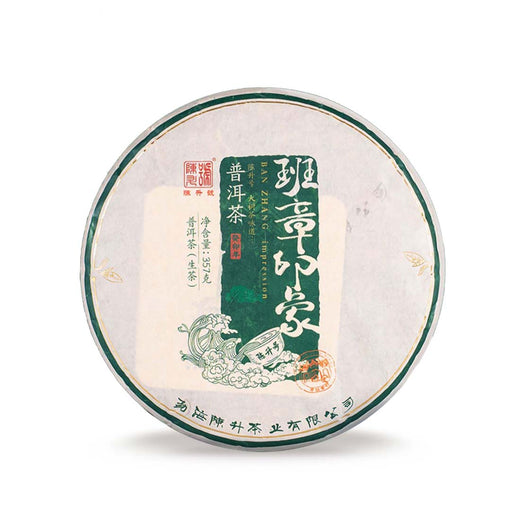
- Cakes/Bing: Round, disc-shaped compressions (357g traditional weight)
- Tuocha: Bowl-shaped nests (typically smaller than cakes)
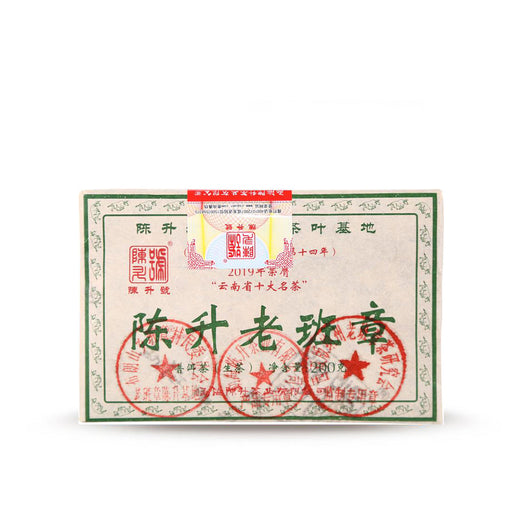
- Bricks: Rectangular compressed blocks
- Mushroom: Dome-shaped with a stem
The aging potential varies, with some teas improving for decades. Generally, Sheng Pu Erh can age indefinitely, while Shou typically reaches peak quality within 10-15 years.
What's in the Cup
Like all true teas, pu erh is made from the Camellia sinensis plant and contains caffeine and polyphenols such as catechins. Ripe pu erh is made by microbial fermentation (wo dui), which darkens the leaves and turns much of their catechin content into darker compounds that give the liquor its deep red-brown color.
Pu Erh contains less caffeine than coffee, but it does contain caffeine. If you're sensitive to it, choose ripe pu erh in small amounts, drink it earlier in the day, or switch to a caffeine-free herbal infusion in the evening. Our guide to pu-erh tea caffeine has more detail.
Tea is a drink, not a treatment. We don't make health claims for our teas, and if you have a health question, your doctor or pharmacist is the right person to ask.
Flavor Profile and Aroma
Pu Erh tea presents a diverse flavor spectrum depending on age, processing method, and storage conditions. Young Sheng Pu Erh often exhibits bright, vegetal notes with noticeable astringency and sometimes a floral character. As it ages, it develops honey, fruit, and wood notes.
Shou Pu Erh typically displays rich earthiness with distinct forest floor qualities. Common tasting notes include:
- Earthy (woodsy, composted soil)
- Sweet (caramel, molasses, dates)
- Mineral (wet stone, petrichor)
- Woody (aged oak, cedar)
The mouthfeel tends toward smooth, thick, and sometimes creamy, especially in well-aged samples. High-quality Pu Erh offers impressive longevity in brewing, often yielding 10+ flavorful infusions from the same leaves.
Storage significantly influences flavor development. Traditional "wet storage" accelerates aging and produces deeper, more fungal notes, while "dry storage" develops more slowly with cleaner, sweeter profiles. The best Pu Erh teas display remarkable complexity with a pleasant hui gan—a sweet aftertaste that emerges after swallowing.
Integrating Pu Erh Tea into Your Morning Routine
Starting your day with Pu Erh tea can establish a grounding ritual that sets a positive tone for the hours ahead. Many people who swap their morning coffee for pu erh enjoy the slower pace of brewing several small cups and the rich, earthy flavor.
The optimal brewing time for morning Pu Erh is typically 2-3 minutes for ripe (shou) varieties and 1-2 minutes for raw (sheng) types. Water temperature should be just below boiling at around 95°C (203°F) to extract a good balance of flavors.
Morning Pu Erh Ritual Steps:
- Bring water to a full boil
- Rinse the tea leaves briefly (5-10 seconds)
- Steep for the appropriate time
- Savor mindfully before starting your day
Many tea enthusiasts pair Pu Erh with breakfast. The tea's robust character stands up well to savory morning foods such as eggs, toast, congee or dim sum.
For those new to morning tea rituals, we recommend starting with a small cup (about 150ml) of ripe Pu Erh, which offers a smoother, more accessible flavor profile. Raw Pu Erh, with its brighter notes, makes an excellent second cup mid-morning.
Try brewing a thermos of Pu Erh to take with you and keep sipping through the morning. The tea retains its flavor well and can be enjoyed at various temperatures.
Creating an Afternoon Ritual with Pu Erh Tea
Afternoon tea rituals offer a good opportunity to enjoy the rich, earthy flavors of Pu Erh tea while taking a mindful break from busy schedules. This ancient tea can turn an ordinary afternoon into a quiet, unhurried moment.
Complementing Meals with Pu Erh Tea
Pu Erh tea is a classic match for lunch or a rich meal. In Yunnan, pu erh has long been drunk after rich, meaty meals, and many people like a warm cup to round off lunch.
For richer meals, choose a darker, aged Pu Erh with its robust flavor profile. The tea's earthy notes cut through the heaviness of fatty foods, creating a balanced sensation.
Lighter meals pair better with younger Pu Erh varieties that offer more delicate, slightly sweet characteristics. Try varying your brewing strength depending on meal composition—stronger after protein-heavy meals, lighter after vegetable-focused dishes.
A small cup (about 100ml) is often enough after a meal, especially if you've already had tea earlier in the day.
Mindful Tea Breaks
Creating a dedicated afternoon Pu Erh ritual can become a form of meditation in itself. Set aside 15-20 minutes where you focus solely on the tea experience.
Simple Pu Erh Meditation:
- Warm your teapot or gaiwan with hot water
- Add tea leaves (3-5g for a personal session)
- Observe the leaves unfurling during brewing
- Notice the changing aromas with each infusion
We find the multiple infusions Pu Erh offers well suited to a mindful session. Each steeping reveals new dimensions of flavor, encouraging presence and attention.
Keep a dedicated tea space, even if it's just a small corner with your favorite teaware. Having a set place makes the session feel like a real break from the rest of your day.
Pairing Pu Erh Tea with Snacks
Pu Erh's complex flavor profile makes it exceptionally versatile for food pairings. Dark chocolate with 70% or higher cocoa content complements the tea's depth beautifully.
For aged Pu Erh varieties, try these pairings:
- Dried fruits like dates or figs
- Nuts such as walnuts or pecans
- Shortbread cookies or butter biscuits
Younger sheng (raw) Pu Erh works wonderfully with:
- Fresh fruits like apple slices or pears
- Light pastries or scones
- Mild cheeses such as gouda
We avoid overly sweet treats as they can overwhelm the subtle complexities of the tea. Instead, choose foods with natural sweetness or savory elements that enhance rather than compete with Pu Erh's character.
Pu Erh Tea for Relaxation and Meditation
Pu erh tea makes a good companion for quiet, mindful moments. The rich, earthy flavors create a sensory experience that invites you to slow down.
Brewing Techniques for a Gentler Cup
For a softer, rounder cup, keep using boiling water but use a little less leaf and pour off sooner. Shorter steeps draw out less bitterness, so the tea tastes mellower.
Consider using a gaiwan or small teapot for brewing. This traditional method encourages mindfulness through its deliberate, measured process. Start with a quick 5-second rinse of the leaves before your first proper infusion.
Try extending steep times to 1-2 minutes, which develops deeper, more mellow flavors. The resulting brew has a smooth, velvety quality that feels remarkably comforting.
Gentle Evening Brew:
- 5g aged pu erh tea
- 150ml freshly boiled water (212°F)
- First steep: 20 seconds
- Second steep: 30 seconds
- Third and beyond: add 10 seconds each time
The multiple infusions create a relaxing ritual that encourages slowing down and being present. Pu erh still contains caffeine at any brewing temperature, so if caffeine keeps you up, keep evening sessions small or choose a caffeine-free herbal infusion instead.
Meditative Practices with Pu Erh Tea
Pu erh tea ceremonies can serve as effective mindfulness exercises. We find that focusing on each step—from warming the vessel to pouring the tea—creates a natural meditation.
During meditation, place your tea nearby and use its earthy aroma as an anchor for awareness. When your mind wanders, gently return attention to the scent or the warmth of the cup in your hands.
Between meditation sessions, take small, mindful sips. Notice the tea's temperature, texture, and how the flavor evolves on your palate. This sensory awareness extends the meditative state.
Many practitioners keep a "tea journal" to document their experiences. Recording observations about taste, aroma and the thoughts that arise during tea sessions deepens the practice and shows how your palate develops over time. Our beginner's guide to pu-erh tasting can help you get started.
Innovative Ways to Enjoy Pu Erh Tea
Pu Erh tea offers remarkable versatility beyond the traditional steeping method. Experimenting with different preparations can unlock new flavors that make this ancient tea even more enjoyable in a modern routine.
Cold Brew Pu Erh Tea
Cold brewing transforms Pu Erh tea into a smooth, less bitter beverage that's ideal for warmer months. Simply place 1-2 tablespoons of loose Pu Erh in a quart of filtered water and refrigerate for 8-12 hours. The slow extraction process produces a delicate flavor profile with reduced caffeine content.
We've found that aged Pu Erh varieties work exceptionally well for cold brewing, as their earthy notes become more subtle and refreshing. Try adding a slice of orange or lemon to complement the tea's natural characteristics.
For convenience, prepare a batch at night for the next day. Cold brew Pu Erh makes a refreshing afternoon drink, and it serves as a wonderful base for iced tea variations when mixed with a touch of honey or fresh mint.
Cooking with Pu Erh Tea
Pu Erh's robust, earthy profile makes it an excellent ingredient in the kitchen. We recommend grinding dried Pu Erh leaves into a fine powder to use as a unique spice rub for meats, especially duck or pork. The tea's fermented qualities add depth and complexity.
For vegetarian options, try simmering vegetables in Pu Erh tea instead of stock. The tea imparts a rich umami quality that enhances mushrooms, root vegetables, and tofu particularly well.
Quick Pu Erh Cooking Ideas:
- Infuse rice by replacing cooking water with strong Pu Erh tea
- Add to soups and stews for depth and richness
- Mix into chocolate desserts to balance sweetness with earthy notes
- Create tea-infused oils by steeping Pu Erh in warm olive oil
Pu Erh Tea Infused Smoothies
Adding Pu Erh to smoothies brings an extra layer of flavor. We start with a strong brew (about double the leaf amount) that's been cooled completely. This concentrated tea serves as an excellent base for fruit and vegetable combinations.
Pu Erh pairs remarkably well with banana, cacao, and almond butter for a satisfying breakfast smoothie. The tea's earthy qualities balance the sweetness.
For a green smoothie variation, blend cold Pu Erh with spinach, avocado, and pineapple. The tea's earthy depth helps soften the sometimes overwhelming "green" taste.
Try using Pu Erh tea ice cubes in your regular smoothies. Simply freeze brewed tea in ice cube trays and add 2-3 cubes to your next blend for a subtle tea infusion without diluting the consistency.
Sustainable Practices in Pu Erh Tea Consumption
Embracing sustainability in our Pu Erh tea habits benefits both the environment and enhances our overall tea experience. Mindful consumption practices help preserve traditional tea culture while supporting responsible production methods.
Selecting Ethical Brands
When shopping for Pu Erh tea, we recommend looking for brands with transparent sourcing policies. Ethical companies typically provide information about their tea gardens' locations, harvesting methods, and worker conditions.
Some brands use eco-friendly packaging made from recycled or biodegradable materials. This reduces the environmental impact of our tea consumption habits.
Look for recognized certifications on the packaging and check what each one actually covers. Our own teas, for example, are China Green Food (绿色食品) certified.
Consider supporting small-scale tea producers who often use traditional, low-impact cultivation techniques. Many family-owned operations maintain centuries-old sustainable practices that large commercial operations might abandon.
Reuse and Recycle Tea Leaves
Pu Erh tea leaves can be steeped multiple times, offering different flavor profiles with each infusion. Quality Pu Erh can withstand 8-12 steepings, making it economical and environmentally friendly.
After brewing, spent tea leaves make excellent additions to compost bins. They decompose quickly and add valuable nutrients to garden soil.
Creative reuse options include:
- Using dried leaves as refrigerator deodorizers
- Making natural air fresheners
- Adding to bathwater for a relaxing soak
- Creating homemade plant fertilizer
We can even repurpose tea packaging. Decorative tins can store other items, while paper wrappers can be composted or used in crafting projects.
Supporting Sustainable Tea Farming
Traditional Pu Erh farming often involves growing tea trees alongside other forest plants, creating a diverse ecosystem. This method, known as forest tea cultivation, preserves biodiversity and requires minimal chemical inputs.
We can support these practices by purchasing tea from regions known for ecological farming methods. Many of Yunnan's ancient tea gardens grow in remote mountain forests and are still tended in traditional ways.
Paying fair prices for quality Pu Erh enables farmers to maintain sustainable practices rather than shifting to higher-yield, lower-quality methods. Premium Pu Erh might cost more initially, but its multiple steepings provide excellent value while supporting ecological farming.
Visiting tea-producing regions when possible provides direct economic support to communities. This tourism encourages preservation of traditional, sustainable cultivation methods.
Frequently Asked Questions
Many tea enthusiasts have specific questions about making pu-erh tea part of their daily routine. We've compiled the most common inquiries to help you navigate your pu-erh journey with confidence.
Is pu-erh tea good for my health?
We don't make health claims for our teas. Tea is not a treatment for any condition, and if you have a health question, your doctor or pharmacist is the right person to ask.
What we can say is what's in the cup: pu-erh contains caffeine and tea polyphenols such as catechins, and brewed with only water it has no added sugar. Most people drink it simply because they enjoy the flavor and the ritual.
Are there any risks associated with consuming pu-erh tea daily?
Like other caffeinated beverages, pu-erh tea should be consumed in moderation. We recommend limiting intake to 2-3 cups daily, especially for those sensitive to caffeine or with certain medical conditions.
If you're pregnant, breastfeeding, taking medication or managing a health condition, talk to your doctor before adding pu-erh to your routine. The tea's caffeine content, while lower than coffee, may still affect sensitive individuals.
Caffeine can interact with some medications, so if you take any, ask your doctor or pharmacist about tea and coffee. Also, never drink tea that shows visible mold, and let very hot tea cool a little before drinking. See our guide to storing pu-erh to keep your tea in good condition.
Can I use brewed pu-erh outside the teacup?
Yes, in the kitchen and around the house. Strong pu-erh makes a good cooking liquid for rice, soups and braises, a flavorful base for cold brew and smoothies, and spent leaves can go into the compost.
We sell our teas for drinking and don't make any skin or cosmetic claims for them. If you try tea in a homemade skincare project, test a small patch first and stop if you notice any irritation.
Can pu-erh tea help with weight loss?
We don't claim that it can. Pu-erh is a drink, and no tea replaces a balanced diet, activity or medical advice. If you're working toward a weight goal, a doctor or registered dietitian is the right person to help.
If you enjoy pu-erh, drink it for its flavor. Brewed with only water, it has essentially no calories; milk, sugar and syrups are where the calories come from.
Read more in Pu-erh and Weight: Separating Facts from Marketing.
Why don't you cite studies about pu-erh's benefits?
Much of the research you'll see quoted online was done on concentrated extracts in the lab or in animals, which is very different from drinking brewed tea. As a tea maker, we don't think it's right to turn that research into promises about what a cup of tea will do for you.
Instead, we focus on what we know well: how pu-erh is grown, made, stored and brewed. Our guide to pu-erh tea is a good place to start.
How can I best pair foods with pu-erh tea?
Aged pu-erh pairs wonderfully with dark chocolate. The tea's earthy notes complement the chocolate's richness and bitterness.
For breakfast, we suggest enjoying pu-erh alongside oatmeal with cinnamon. The warm spice and the tea's earthy depth work well together on a cold morning.
Savory meals featuring mushrooms or root vegetables naturally complement pu-erh's woody profile. Ripe pu-erh is also a classic after-dinner drink, especially following rich, savory dishes.
This article is general information about tea, not medical advice. If you're pregnant, breastfeeding, taking medication or managing a health condition, please talk to your doctor before changing what you drink.


