







How to judge a pu-erh with your own senses: the five factors tea tasters use, what to check on the wrapper, and the red flags that mean walk away.

Pu Erh, a tea that originated in Yunnan Province in China, has been becoming popular across the globe in recent...

New to pu-erh? Here is what it is, how raw and ripe pu-erh are made, what they taste like, and how to brew, store and choose your first tea.

Search for pu-erh tea and you'll quickly find it sold as a "slimming" or "fat-burning" tea. We understand why people...

Over thousands of years, tea went from something people ate to the drink we brew and enjoy today. The beauty...

Where pu-erh comes from: the three main prefectures of Yunnan, the mountains of Menghai and Yiwu, Jingmai and Bingdao, and what is broadly typical of each.

Introduction to the aging of Pu'er tea Pu'er tea has the characteristics of "more aging and more fragrance". Compared with...

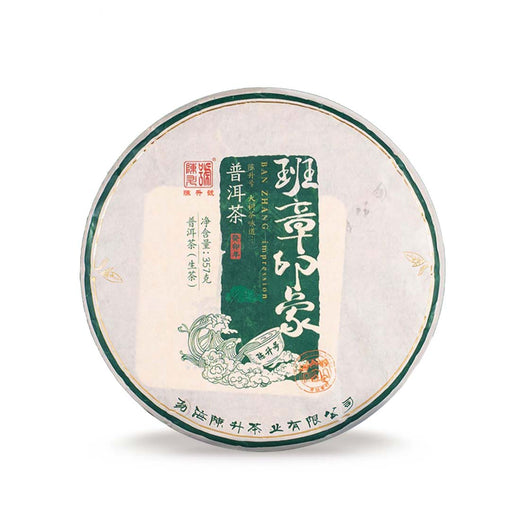
How to read a pu-erh cake's year from its wrapper, nei fei, nei piao and tong label, and what leaf and liquor color can and can't tell you about age.

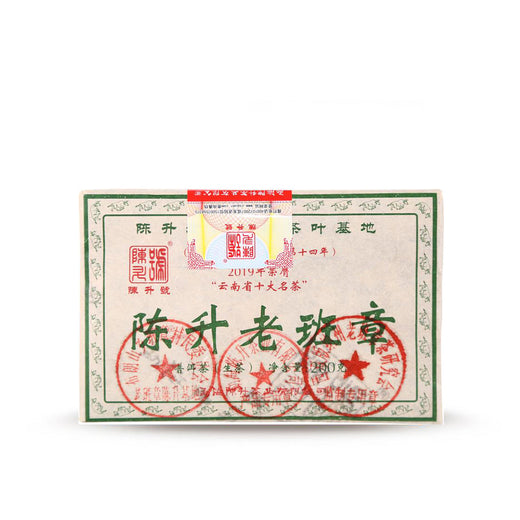
The Lao Ban Zhang village on Bulang Mountain, its old-arbor gardens, our partnership with the village since 2008, and how to recognize genuine Lao Ban Zhang pu-erh.

Follow our pu-erh from spring picking in the village to pressing, wrapping and storage at our factory in Menghai, and see how ripe pu-erh differs.

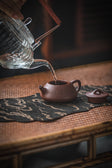
A ten-step photo guide to brewing raw or ripe pu-erh in a gaiwan, plus a simple mug method if you don't have one.