


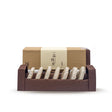
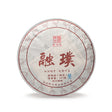
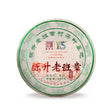
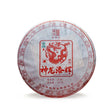






Pu Erh tea is a type of fermented tea that originates from the Yunnan province of China. You might recognize this tea for its unique processing method which involves both fermentation and post-fermentation, giving it a distinctive flavor.
Typically, Pu Erh tea is divided into two categories based on its processing:
-
Raw Pu Erh (Sheng): This type is processed without the additional step of piling, which means the tea is naturally aged over time. It starts off green and becomes earthier and more complex as it ages.
-
Ripe Pu Erh (Shou): This form undergoes a controlled post-fermentation process, which speeds up the aging process. As a result, it has a darker color and a rich, mellow flavor.
Below is an overview of Pu Erh tea characteristics:
| Feature | Description |
|---|---|
| Origin | Yunnan Province, China |
| Color | Varies from green to reddish-brown |
| Flavor | Earthy, woodsy, sometimes with a touch of sweetness |
| Aroma | Distinctive, ranging from floral to musty |
| Caffeine Level | Moderate, generally less than that of black tea |
When you drink Pu Erh tea, you're experiencing a time-honored tradition that has been appreciated for its taste for centuries. Remember to steep it properly to enjoy its unique qualities.
Types of Pu Erh Tea

In exploring the types of Pu Erh tea, you will encounter two main categories: Raw (Sheng) and Ripe (Shou). These categories refer to different processing methods, leading to distinct flavors and aging potentials.
Raw (Sheng) Pu Erh
Raw (Sheng) Pu Erh tea is the traditional form of Pu Erh tea. It is crafted through a natural fermentation process, where the tea leaves are picked, withered, rolled, sun-dried, and then steamed to be pressed into cakes, bricks, or other shapes. Over years of aging, the tea develops a complex flavor profile that can range from fresh and fruity to rich and mellow. The aging potential of Sheng Pu Erh makes it particularly prized among connoisseurs.
Ripe (Shou) Pu Erh
Ripe (Shou) Pu Erh, on the other hand, undergoes an accelerated fermentation process. Introduced in the 1970s to mimic aged Sheng Pu Erh, this type involves piling the leaves moistened with water so that microbial fermentation (wo dui) can take place, leading to faster fermentation. The resulting tea offers a robust, earthy flavor with a dark, reddish-brown liquor. Ripe Pu Erh is ready to drink much sooner than its Raw counterpart and usually has a smoother and more mellow taste.
Pu Erh Tea Processing Methodology

The processing of Pu Erh tea is a unique journey from leaf to cup, involving specific steps that distinguish it from other teas. You'll learn each critical stage that transforms the raw leaves into the richly flavored Pu Erh tea.
Harvesting
Tea leaves for Pu Erh are typically harvested from the Camellia sinensis plant. You pick the leaves, focusing on the quality, which vary depending on the desired Pu Erh type:
- Raw Pu Erh (Sheng): Younger leaves and buds
- Ripened Pu Erh (Shou): Larger, mature leaves
Withering and Sha Qing
Post-harvest, you wither the leaves to reduce moisture content. This is followed by "Sha Qing" or "killing the green," which involves:
- Heat application: To halt oxidation
- Duration: Brief, ensuring enzymatic reactions are stopped
Rolling and Shaping
Once the leaves are withered, they are rolled and shaped to induce flavor complexity. During this step:
- Rolling: Breaks cell walls, mixes juices
- Shaping: Forms leaves into desired shapes; often loose or cakes
Drying
The tea must be adequately dried to lock in flavors and prepare for aging. This involves:
- Air drying or low-heat baking: To reduce moisture to around 3%
Aging and Fermentation
The final step is where Pu Erh develops its characteristic profile:
- Storage: In a controlled environment
- Duration: Months to several years
- Raw Pu Erh: Natural fermentation over time
- Ripened Pu Erh: Accelerated fermentation through piling and moisture control
Why People Enjoy Pu Erh Tea

Pu Erh tea is enjoyed above all for its flavor and the ritual of brewing it. Its fermentation process gives it a taste unlike other Chinese teas.
After a Meal: In Yunnan, pu-erh has long been drunk after rich, meaty meals, and many people today still like a cup of ripe pu-erh after dinner. Its smooth, earthy taste pairs well with rich food.
- Many Infusions: A few grams of leaf can be steeped again and again, and the flavor shifts with each round, so one session can last a whole afternoon.
| What's in the Leaf | What You Notice in the Cup |
|---|---|
| Polyphenols (such as catechins) | Color, body and a touch of astringency |
| Theanine (an amino acid) | Savory, brothy sweetness |
| Caffeine | Present in all pu-erh; amount depends on leaf and brewing |
Raw or Ripe: Young raw pu-erh is bright, floral and brisk, while ripe pu-erh is smooth, dark and mellow. Many people reach for raw in the morning and ripe in the afternoon or after dinner.
Sensitive to Caffeine? Choose ripe pu-erh in small amounts, drink it earlier in the day, or use shorter steeps. Late at night, a caffeine-free herbal infusion is the better choice.
When incorporating Pu Erh tea into your routine, start with a small amount and find the brewing strength you enjoy.
Taste Profile of Pu Erh Tea

When you sip Pu Erh tea, expect a complex taste that can vary widely depending on its age and how it was processed. Pu Erh tea is known for its unique flavor profile that often includes earthy or musty notes, which is a sought-after characteristic in this type of tea.
- Young Raw Pu Erh: This tea often has a fresh, slightly bitter flavor with a sweetness that lingers.
- Aged Raw Pu Erh: Over time, it develops smoother, richer flavors with hints of fruit or floral notes.
- Ripe (Cooked) Pu Erh: This version offers a milder taste with a pronounced earthiness and sometimes notes of dark chocolate or wood.
Your Pu Erh may also exhibit secondary flavor notes, such as:
- Minerality
- Herbal qualities
- Wet moss or forest floor
Here's a simple breakdown of Pu Erh tea's taste profile:
| Age of Pu Erh | Flavor Characteristics |
|---|---|
| Young | Fresh, bitter, sweet aftertaste |
| Aged | Smooth, fruity, floral |
| Ripe | Earthy, woody, chocolatey |
The mouthfeel is another aspect where Pu Erh stands out. It can range from silky to thick, and you might notice a unique sensation known as "mouth coating." This is particularly true for well-aged Pu Erhs.
Regardless of the type, quality Pu Erh should not be overly astringent or unpleasant to your palate. Proper brewing can enhance the tea's profile and mitigate bitterness. This involves paying close attention to water temperature, steeping time, and the ratio of tea to water. It's not uncommon for experienced Pu Erh drinkers to develop a preference for specific flavor nuances, much like one would with fine wines.
Brewing Pu Erh Tea

When brewing Pu Erh tea, water temperature and steeping time are crucial for optimal flavor. Start with filtered or spring water for the best taste.
1. Preheat your teapot and cup by swirling hot water in them before discarding.
2. Measure about 5 grams of Pu Erh tea for every 150ml of water. Pu Erh tea typically comes in compressed cakes or bricks; you may need to break them apart gently.
3. Water Temperature: Heat the water to just below boiling, around 95°C (203°F).
| Water Temperature | Time |
|---|---|
| 95°C (203°F) | Varies |
4. Rinse the leaves briefly with the hot water, then discard this first wash.
5. Steeping: Pour the hot water over the leaves to steep. The first steep should be around 20-30 seconds. Increase steeping time with each subsequent infusion, as the leaves unfurl and release their flavors.| Infusion | Steep Time |
|---|---|
| 1st | 20-30 seconds |
| 2nd+ | +10-20 seconds |
6. Pour through a strainer into your cup to remove tea leaves.
Enjoy the complex flavors, which can vary from earthy and mellow to rich and robust. The same leaves can be used for multiple infusions, and the taste can change with each infusion, providing a nuanced tea drinking experience.
Storage and Aging

Proper storage is crucial for maintaining the quality of your Pu-erh tea and allowing it to age gracefully. You will want to store your tea in a location that is:
- Cool: Avoid areas that are excessively warm or prone to temperature fluctuations.
- Dark: Light can degrade tea quality, so select a dark storage space.
- Odorless: A non-odorous environment ensures your tea's flavor remains unaltered.
- Moderately Humid: An ideal humidity level is between 60-70% to aid aging without risking mold.
Aging Pu-erh can lead to a more mellow and complex flavor profile. Monitor your tea's condition regularly, as aging is an interactive process:
- Check for mold growth, especially in very humid conditions.
- Smell the tea to ensure it is developing desirable aromas.
- Occasionally taste the tea to note changes and decide when it has reached your preferred level of maturity.
Storing in Bulk: When storing larger quantities of Pu-erh, use a clay urn or wooden chest which allows for subtle airflow. Smaller amounts can be stored in:
- Yixing tins
- Porcelain jars
- Fabric or paper wrappers
Always label your Pu-erh with the purchase date and any other relevant details to track its progress and characteristics over time. Remember, each batch of Pu-erh is unique, and its optimal aging time may vary.
Cultural Significance

Pu-erh tea, while classified as a type of dark tea in China, is often referred to in the West as a black tea due to its dark color and rich flavor. It holds a revered place in Chinese tea culture, with a history extending over a thousand years. Originating from the Yunnan Province, pu-erh tea is more than a beverage; it symbolizes a storied tradition of agriculture, craftsmanship, and commerce.
Historical Roots: Pu-erh has been an important commodity for centuries, especially among ethnic groups in southwestern China. It was historically used as a form of currency, facilitating trade along the Ancient Tea Horse Road.
In Your Tea Rituals: You may find that pu-erh is integral to the gongfu tea ceremony, showcasing the art of tea preparation and consumption. The process accentuates the depth and complexity of pu-erh's flavors with each successive infusion revealing more layers.
Social Gatherings: Sharing pu-erh tea is a social act in Chinese culture, often marking significant events or purely as a gesture of hospitality.
Collectability and Aging: Pu-erh stands unique among teas for its aging potential. Connoisseurs often collect and carefully age pu-erh cakes, as you might with fine wines, appreciating the evolving flavors over time.
Modern Appreciation: Today, your interest in pu-erh connects you to its growing international presence. The tea's distinct flavors and aging potential have garnered attention, contributing to a contemporary appreciation of its cultural heritage.
Frequently Asked Questions
Pu-erh tea is a unique fermented tea with a distinct flavor profile. Learn more through the following commonly asked questions.
Why do people enjoy drinking Pu-erh tea?
Mostly for the flavor. Ripe pu-erh is earthy, smooth and sweet; raw pu-erh is bright when young and grows deeper with age. The same leaves can be brewed many times, and aged cakes change over the years, which makes pu-erh rewarding to collect. Tea is not a treatment for any health condition.
How does the caffeine content in Pu-erh tea compare to traditional black tea?
Pu-erh tea generally has a similar caffeine content to traditional black tea, though this can vary depending on the specific product and brewing time. On average, you can expect a slightly lower caffeine level in Pu-erh compared to black tea.
Where can one purchase high-quality Pu-erh tea?
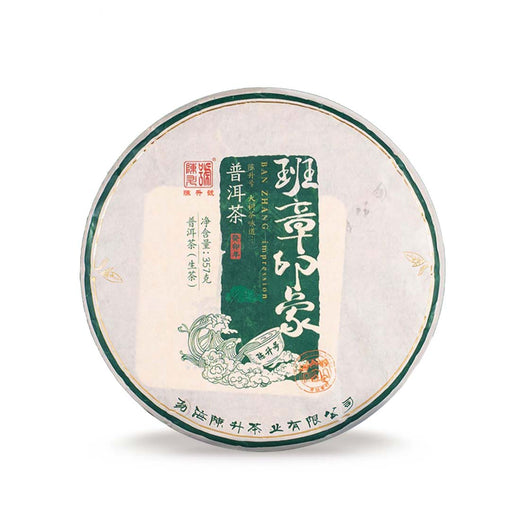
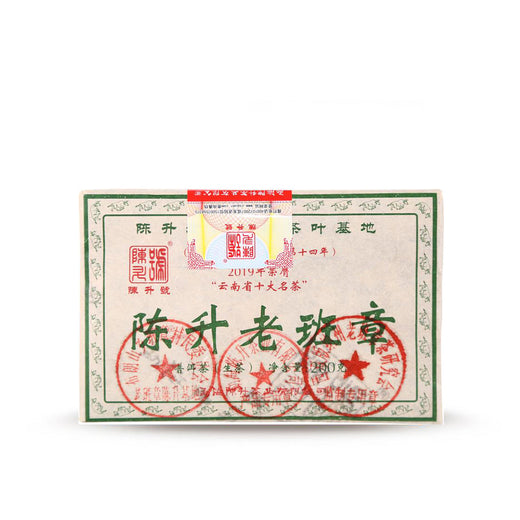
High-quality Pu-erh tea is best bought from a seller who tells you the year, region and producer of each tea. Our Chen Sheng Hao teas are made in Menghai, Yunnan, and are China Green Food certified. It is important to research and verify the authenticity of the Pu-erh tea before purchasing.
What distinguishes Pu-erh tea from other Chinese black teas?
Pu-erh tea differs from other Chinese black teas in its processing and aging method. It undergoes a special fermentation process that can continue for months or years, leading to a distinct earthy flavor that deepens with age.
Is there anything to watch out for when drinking Pu-erh tea?
Pu-erh contains caffeine, so drinking a lot of it can leave you jittery or keep you awake. Don't drink tea that shows signs of mold, and buy from sellers who store their tea properly. If you're pregnant, breastfeeding, taking medication or managing a health condition, talk to your doctor before making it a daily habit.
What is the traditional process of making Pu-erh tea?
The traditional process of making Pu-erh tea involves wilting, rolling, and a unique fermentation process followed by drying. The tea is then often pressed into cakes or bricks and can be aged to develop its characteristic flavor profile.
This article is general information about tea, not medical advice. If you're pregnant, breastfeeding, taking medication or managing a health condition, please talk to your doctor before changing what you drink.


