








When you sip on white tea, you're likely to notice its subtly sweet and delicate nature. Unlike the more robust flavors of black or green tea, white tea typically presents a milder taste and a light body. The flavor can be best described as:
- Soft: You won't be overpowered by the taste.
- Slightly Sweet: There's a natural, gentle sweetness.
- Nuanced: There might be a complexity that unfolds slowly.
- Fresh: Often described as having a clean, airy quality.
Here's a breakdown of the typical flavor notes you may encounter when tasting white tea:
| Flavor Note | Description |
|---|---|
| Floral | Reminiscent of fresh flowers. |
| Fruity | Hints of fruit, ranging from melon to peach. |
| Grassy | Earthy undertones that evoke fresh greenery. |
| Honey | A subtle sweetness hinting at honey. |
| Herbal | A whisper of aromatic herbs in the backdrop. |
The flavor of white tea can also depend on the origin and processing. Chinese white teas, like Silver Needle (Baihao Yinzhen) and White Peony (Bai Mudan), often present more floral and melon notes. In contrast, white teas from other regions might have varied profiles.
Remember, individual palates vary, so your experience might be different. To fully appreciate the nuances of white tea, you should enjoy it without milk or sugar. This allows the delicate interplay of flavors to shine through and offers you a clear sense of its true character.
Origins and Varieties
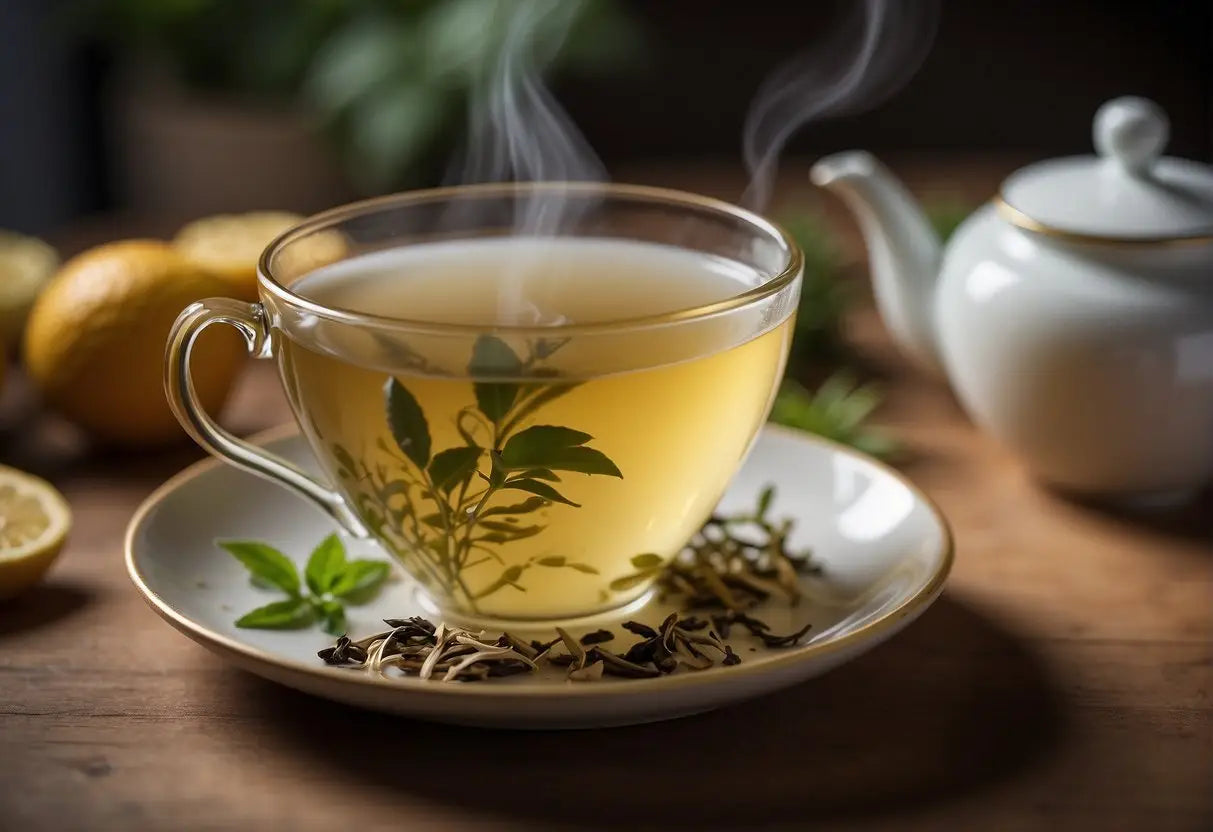
White tea, known for its subtlety and complexity, originates from the Camellia sinensis plant. Your understanding of its taste will be enriched by exploring the specific regions known for white tea production and the distinct varieties they offer.
Chinese White Tea
China is the birthplace of white tea, with historical references dating back to the Song Dynasty. The Fujian province is particularly renowned for producing white tea, with its two famous varieties being Silver Needle (Baihao Yinzhen) and White Peony (Bai Mudan). Silver Needle, made exclusively from the unopened buds, is prized for its delicate flavor and slightly sweet, floral notes. In contrast, White Peony includes both buds and young leaves, which results in a fuller flavor and a slightly stronger taste.
-
Silver Needle (Baihao Yinzhen)
- Unopened buds
- Delicate, sweet, floral notes
-
White Peony (Bai Mudan)
- Buds and young leaves
- Fuller flavor, slightly stronger taste
Other Regional Varieties
Outside of China, other regions have also developed their white tea varieties, bringing unique characteristics influenced by their local climates and soil conditions. Notably, Darjeeling in India and the Nuwara Eliya region in Sri Lanka have achieved recognition for their white teas.
-
Darjeeling White Tea
- Indian origin
- Muscatel highlights, mild astringency
-
Nuwara Eliya White Tea
- Sri Lankan origin
- Delicate, citrusy notes
In India, Darjeeling White Tea tends to have a more pronounced muscatel flavor with a mild astringency, distinguishing it from its Chinese counterparts. Meanwhile, white tea from Nuwara Eliya is noted for its delicate yet citrusy flavors that reflect the terroir of Sri Lanka's highlands. Through these varieties, you can appreciate the geographical nuances that contribute to the diverse spectrum of white tea tastes.
Harvesting and Production

White tea is unique for its minimal processing and early harvest. Leaves and buds are typically plucked when they are still young, ensuring a delicately subtle flavor.
Processing Techniques
- Plucking: Plucked by hand to select the youngest leaves and buds.
- Withering: Leaves are thinly spread and withered to reduce moisture.
- Drying: Gentle drying occurs either naturally under the sun or indoors with controlled temperature to minimize oxidation.
These steps keep the leaves close to their natural state, resulting in a light and fresh taste.
Impact on Flavor
- Harvesting Season: Spring harvest yields a fresher, sweeter tea compared to other seasons.
- Oxidation Level: Minimal oxidation retains the delicate, sweet flavor.
- Drying Method: Sun-dried leaves often entail a more nuanced flavor than those dried using artificial heat.
The precise timing and careful handling of these steps are crucial for developing white tea's signature flavor profile.
Brewing White Tea
Proper brewing is critical for enjoying the delicate flavors of white tea. It requires careful attention to water temperature and steeping time.
Water Temperature
Use water heated to a range between 160-185°F (71-85°C). Boiling water can scorch the leaves, resulting in a bitter taste, so it's important to use a lower temperature. A simple method to achieve the correct temperature is to let boiling water cool for about a minute before pouring.
Steeping Time
White tea should steep for 4 to 5 minutes. A shorter steeping time will result in a too gentle flavor, while oversteeping can cause bitterness. Use this timing as a guideline and adjust according to your personal taste preference.
Culinary Uses
White tea is praised for its delicate and subtle flavor profile. When you incorporate white tea into your culinary repertoire, it can enhance a variety of dishes with its light floral notes and hints of sweetness.
- Beverages: White tea serves as a refreshing base for both hot and cold drinks. You can infuse fruits or herbs to create unique tea blends.
- Desserts: Its gentle flavor pairs well with desserts. You could infuse white tea into custards or popsicles for an elegant twist.
- Savory dishes: For a creative touch, use brewed white tea as a poaching liquid for fish or chicken. The tea will impart a delicate aroma and taste to the meat.
- Sauces: You can also reduce white tea to concentrate its flavor and use it as a base for light sauces or glazes, complementing seafood or tofu dishes.
| Application | Suggestion |
|---|---|
| Baked Goods | White tea-infused cakes or cookies |
| Cocktails | White tea-based cocktail mixers |
| Marinades | Use as a marinade for subtle flavor |
| Steaming Liquids | Steam seafood or vegetables with tea |
Remember: When cooking with white tea, brewing temperature and time are crucial. You should steep white tea at about 175-185°F (80-85°C) for optimal flavor extraction without bitterness.
Experiment with these uses to discover how white tea's sophisticated flavor can complement and enhance your culinary creations.
Caffeine and When to Enjoy White Tea
White tea is gentle in flavor and, cup for cup, usually lower in caffeine than black tea, which makes it an easy choice for a quiet afternoon. Here's what's useful to know:
What's in the Cup:
Like all tea from the Camellia sinensis plant, white tea contains caffeine, amino acids and polyphenols such as catechins and flavonoids. Because it is only withered and dried, its makeup stays close to that of the fresh leaf.
-
Catechins
Contribute a light, clean astringency that is more noticeable in leafier teas like White Peony. -
Amino Acids
Add the soft, sweet, almost brothy note that makes Silver Needle so smooth.
Caffeine Varies:
Bud-heavy teas such as Silver Needle tend to have more caffeine than leafier White Peony, and brewing time, water temperature and the amount of leaf matter as much as the type of tea.
- For a Lighter Cup: Use fewer leaves, cooler water and a shorter steep.
- In the Evening: If you're sensitive to caffeine, switch to a caffeine-free herbal infusion later in the day.
Aged White Tea:
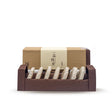
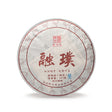
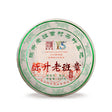
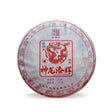
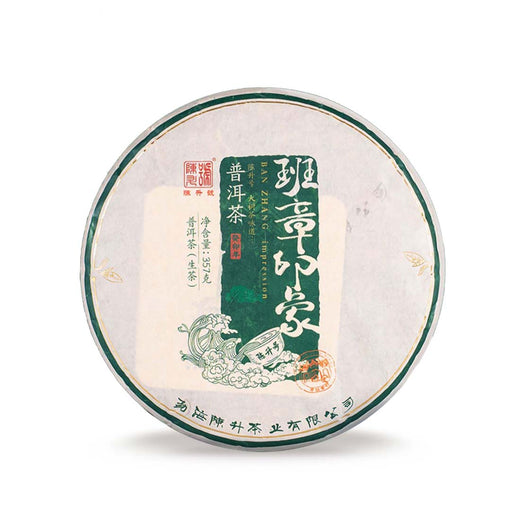
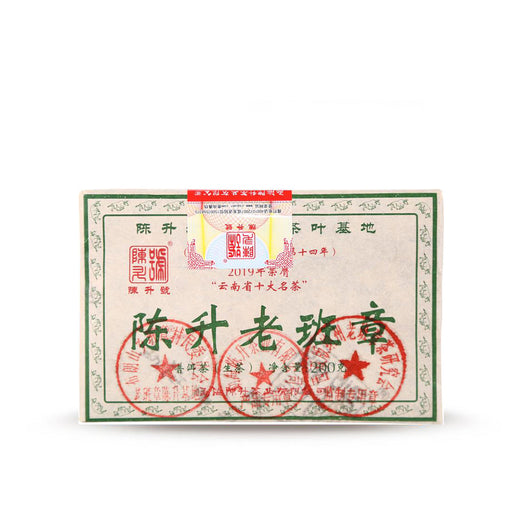
Pressed white tea cakes from Fujian are often aged for several years, developing honey, dried-date and woody notes that are well worth exploring.
A Calm Ritual:
White tea rewards slow brewing and attention, which makes it a natural fit for an unhurried afternoon break.
- Gongfu Style: Short, repeated infusions in a gaiwan reveal how the flavor changes from cup to cup.
- Cold Brew: Steeping white tea in cold water overnight in the fridge gives a sweet, refreshing summer drink.
If you're pregnant, breastfeeding, taking medication or managing a health condition, talk to your doctor about how much tea and caffeine is right for you.
Frequently Asked Questions
In this section, you'll find concise and informative answers to some of the most common questions about white tea, from its distinct taste to its caffeine content and how to serve it.
How would you describe the taste of white tea?
White tea is known for its delicate and subtly sweet flavor profile. You may detect hints of floral, grassy, or fruity notes, and it typically lacks the astringency found in other types of tea.
When is a good time to drink white tea?
Many people enjoy white tea in the afternoon, when its light, sweet flavor makes a gentle break. It also pairs well with delicate foods such as fruit, light pastries and steamed fish. Because it contains caffeine, choose an earlier time of day if you're sensitive to it.
Can white tea contain caffeine, and if so, how much?
Yes, white tea does contain caffeine, but generally in lower amounts compared to black or green tea. You can expect between 15 and 30 milligrams of caffeine per 8 oz cup.
Are there notable differences in flavor between white tea and green tea?
White tea is often described as lighter and sweeter compared to green tea, which can have a grassier and more robust flavor. White tea also undergoes minimal processing, preserving its gentle character.
Is it recommended to add milk to white tea?
Milk is typically not added to white tea as it can overpower the tea's delicate flavor. To fully appreciate its nuanced taste, it's best enjoyed plain, without any additives.
How does the taste of white tea compare with oolong and black teas?
White tea's taste is milder and less oxidized than oolong or black tea. Oolong can vary from fruity to woody in flavor, while black tea is stronger and more astringent than white tea, with a bolder taste.
This article is general information about tea, not medical advice. If you're pregnant, breastfeeding, taking medication or managing a health condition, please talk to your doctor before changing what you drink.


