




Buy your weekday smoothies and get your weekend ones for free. (7 for the price of 5!)
WELLNESSWEEK
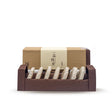
Taste a few styles before you commit to a full cake.
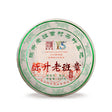
Reliable cakes to brew at home, morning to evening.
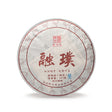
Old-arbor single-origin cakes and aged pu-erh to drink or keep.
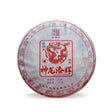
The house blends and annual releases Chen Sheng Hao is known for.


陈升号 · Newsletter
Join our newsletter and we'll send you four short letters, a few days apart:
After that, you'll be the first to hear about new teas and limited releases.
陈升号 · Newsletter
Your first letter, the story behind our tea, is on its way. If it isn't in your inbox in a few minutes, please check your Promotions or Spam folder.

Shop our Pu Erh Tea collections!
Pu-erh is a traditional tea from Yunnan, China, made from the same plant (Camellia sinensis) as green, black and oolong tea. Like any caffeinated drink, it can cause unwanted effects for some people, especially in large amounts. This guide covers the most common ones and simple ways to enjoy pu-erh comfortably.
There are two main types: raw (sheng) and ripe (shou) pu-erh. Raw pu-erh is pressed after processing and ages slowly over years. Ripe pu-erh goes through a controlled microbial fermentation called wo dui (wet piling), which gives it a dark, mellow character within months.
In Yunnan, pu-erh is often drunk after rich, meaty meals, and many people enjoy the gentle lift its caffeine gives in the morning or early afternoon.
Pu-erh tea is best stored in a cool, dry place. Avoid exposing it to strong odors or direct sunlight, as these can affect the flavor.
Enjoy experimenting with different grades and vintages. Be mindful of its caffeine content if you are sensitive to stimulants.
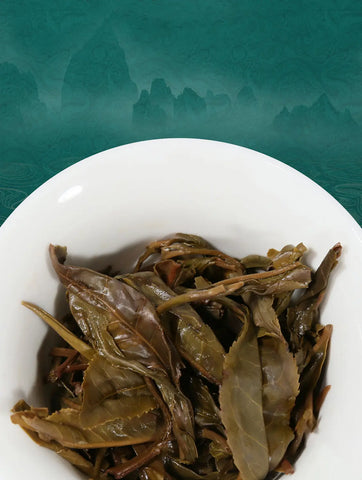
Pu-erh tea contains caffeine. If you drink a lot of it, you may notice trouble sleeping, jitters or a faster heartbeat.
Some people report an upset stomach after drinking pu-erh tea, especially strong tea on an empty stomach. How much this happens depends on your own sensitivity and how much you drink.
In rare cases, people react to tea with a rash, itchiness or swelling. If this happens, stop drinking the tea and see a doctor.
Tea, and the caffeine in it, can interact with some medications. If you take blood thinners or other prescription drugs, ask your doctor or pharmacist before drinking pu-erh regularly.
Tannins in tea can reduce how much iron your body absorbs from plant-based foods. If you have low iron levels, ask your doctor whether you should drink tea between meals rather than with them.
Tea plants take up fluoride from the soil, and very large amounts of strong tea over many years add to your total fluoride intake. Drinking tea in ordinary amounts is the simple way to keep this in check.
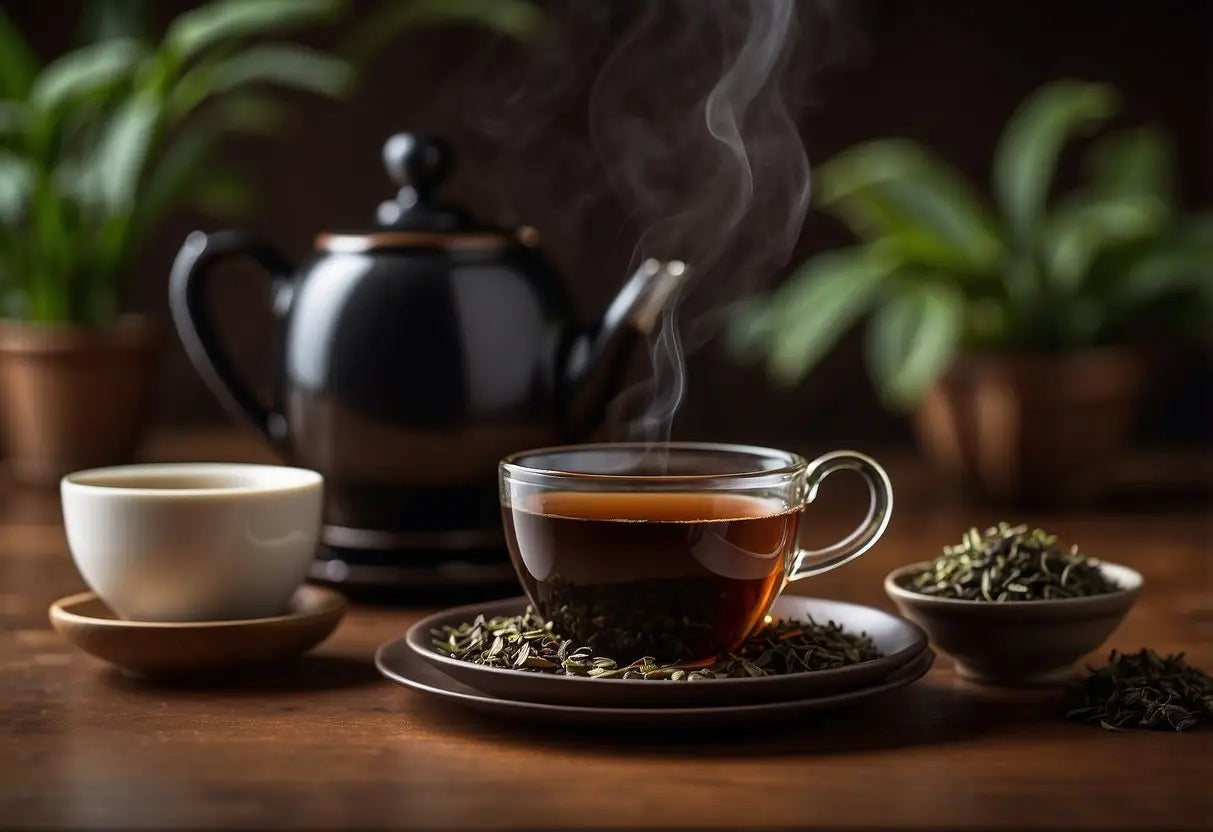
Caffeine is the main reason pu-erh affects people differently. Knowing how it can show up helps you choose when and how much to drink. For more detail, see our guide to pu-erh tea caffeine.
Caffeine is a stimulant, and drinking pu-erh in the evening can make it harder to fall asleep. Caffeine works by blocking adenosine, a chemical that builds up during the day and makes you feel sleepy.
If you are sensitive to caffeine, even a small cup late in the day may keep you awake. Try to finish your last cup several hours before bedtime, or switch to a caffeine-free herbal infusion in the evening.
Large amounts of caffeine can cause a racing heart or palpitations in some people.
If you have a heart condition, talk to your doctor about how much caffeine is right for you. Spreading your cups out over the day, rather than drinking a lot at once, also helps. If you notice palpitations after drinking pu-erh, stop and check with your healthcare provider.
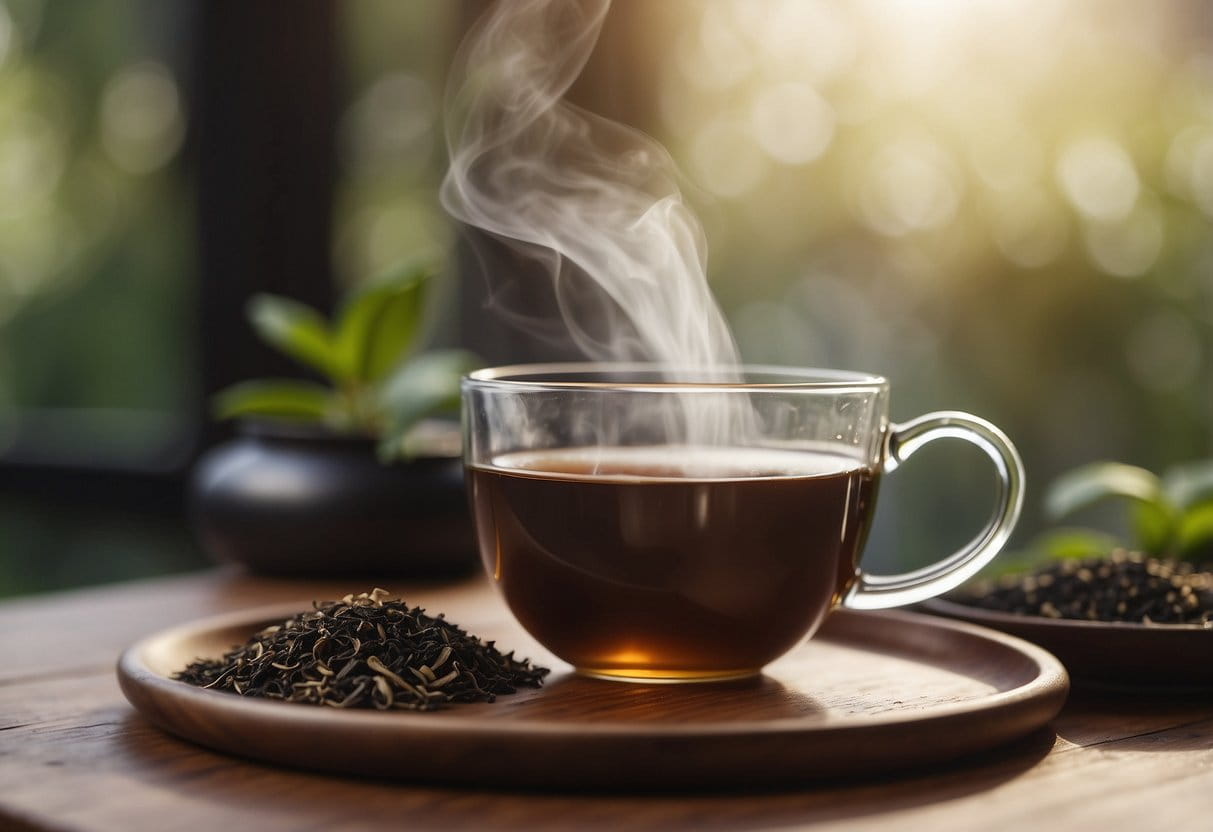
Some people notice stomach-related reactions to pu-erh, such as nausea or heartburn.
Nausea is more likely if you drink strong tea on an empty stomach. Tannins, the natural compounds that give tea its dry, slightly bitter taste, can feel harsh on an empty stomach. Brewing a little lighter, drinking with or after food, and keeping cups small usually makes a difference. If nausea persists, see a healthcare professional.
Caffeinated drinks, including tea, can trigger heartburn in people who are prone to it. If that is you, try smaller, lighter cups with food, or ask your doctor whether caffeine is a good idea for you.
Allergic reactions to tea are uncommon. When they happen, they can show up as a skin rash, itching or hives.
If you notice more severe symptoms like difficulty breathing, swelling or dizziness after drinking any tea, seek medical help immediately. Severe allergic reactions need prompt attention.
If you have reacted to green or black tea before, talk to a doctor or allergist before trying pu-erh, since all of these teas come from the same plant.

Caffeine has a mild diuretic effect, so you may need the bathroom more often after several cups. For most people, ordinary amounts of tea still count toward daily fluids, but very large amounts of strong tea, together with coffee or energy drinks, add up.
A few simple habits:
Compounds in tea can bind with non-heme iron, the kind found in plant foods, and reduce how much your body absorbs.
If you have been told your iron is low, or you take iron supplements, ask your doctor or pharmacist about timing. A common suggestion is to drink tea between meals rather than with them.
Tea and caffeine can affect how some medications work. These are the ones most often mentioned:
Anticoagulants
Tea leaves contain some vitamin K, and caffeine may affect blood clotting. If you take warfarin or another blood thinner, check with your doctor before drinking pu-erh regularly.
Stimulants
Caffeine can add to the effects of other stimulant medications.
Certain antibiotics
Some antibiotics, such as quinolones, can slow down how fast your body clears caffeine, which may make caffeine side effects stronger.
| Medication Type | Possible Interaction |
|---|---|
| Anticoagulants (e.g., warfarin) | May affect how the medication works |
| Stimulants (e.g., amphetamines) | Stronger stimulant effects |
| Antibiotics (e.g., quinolones) | Caffeine stays in the body longer |
This list is not complete. Your doctor or pharmacist can give you advice for your own medications.
It's important to watch your caffeine intake during pregnancy and breastfeeding. Pu-erh tea contains caffeine, though typically less than coffee.
Caffeine and Pregnancy:
Caffeine Content in Pu-erh Tea:
Practical Tips:
Always talk with your doctor or midwife about caffeine during pregnancy and breastfeeding.
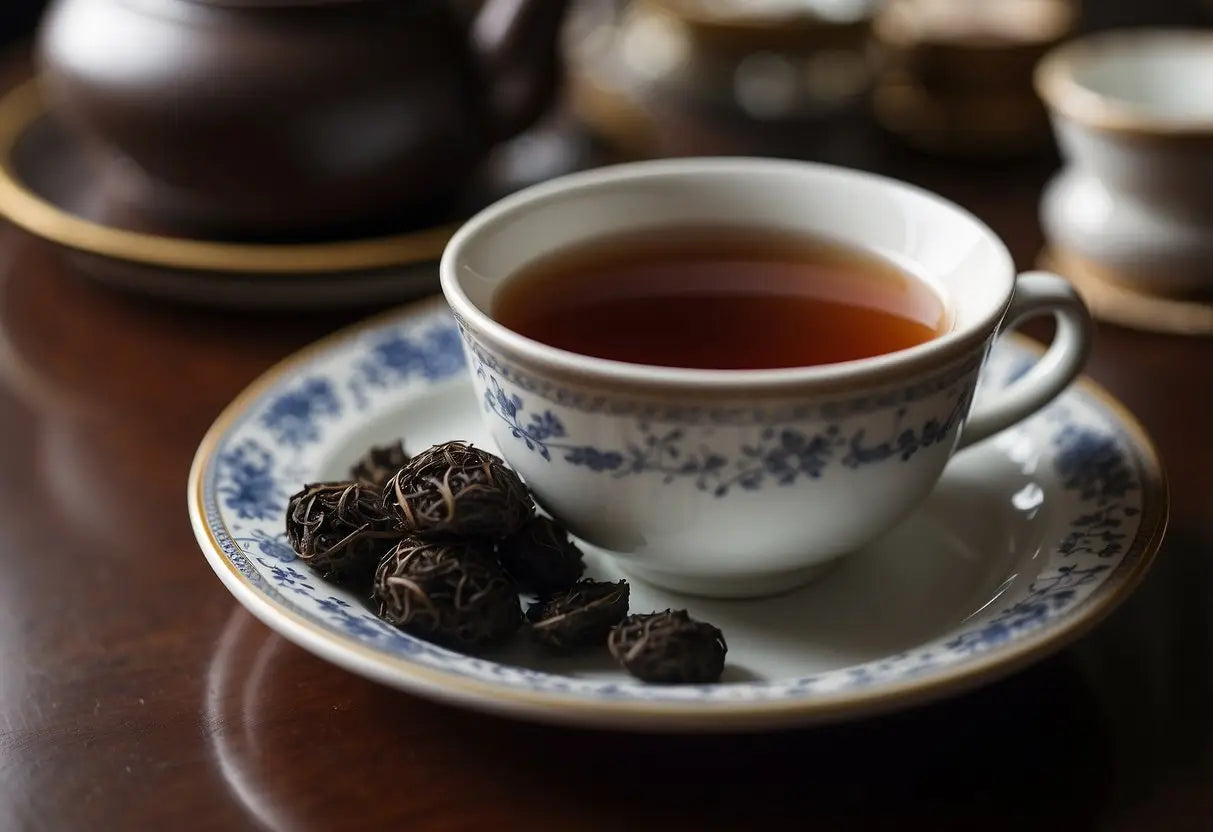
Most issues with pu-erh come from drinking a lot of strong tea. Here is a quick recap:
Too much caffeine can cause trouble sleeping, nervousness and jitters. If you are sensitive, keep to a cup or two earlier in the day.
Large amounts of strong tea, especially on an empty stomach, can cause stomach upset. Lighter brews with food are usually easier to enjoy.
Heavy tea drinking with meals can reduce iron absorption from plant foods. Ask your doctor if you have low iron.
Very large amounts of strong tea over many years add to your fluoride intake. Ordinary amounts are not a concern for most people.
Caffeine can raise blood pressure for a short time. If you have high blood pressure, ask your doctor how much caffeine is right for you.
Tea and caffeine can interact with some medications. If you take any regular medication, check with your doctor or pharmacist. For more practical tips, read Pu-erh tea side effects and how to manage them.
This article is general information about tea, not medical advice. If you're pregnant, breastfeeding, taking medication or managing a health condition, please talk to your doctor before changing what you drink.

Every tea page at cspuerh.com now has tasting reviews. Score a tea on the five factors from the Pu'er Tea Association's 2026 standard, get a weighted score out of 100, and describe it with 95 defined tasting words. Simple mode takes about three minutes.

The 95 tasting terms in the Pu'er Tea Association's 2026 quality standard, in English and Chinese — aroma, liquor color and taste, plus how the standard scores a pu'er.

What really drives pu-erh prices, from mountain fame and old-arbor leaf to processing and years of storage, and how to find good value without overpaying.

Shop our premium Pu Erh tea collection—available in both ripe and raw varieties! Pu-erh tea, a beloved fermented variety from...

Shop our Pu Erh tea collection, available in both ripe and raw varieties! Pu erh tea, with its rich history...

Shop our premium Pu Erh tea collection—available in both ripe and raw varieties! In the misty mountains of Yunnan Province,...