







Lady Grey Tea was introduced by Twinings in the early 1990s. Inspired by the classic Earl Grey, Lady Grey features a unique twist.
This tea blends black tea leaves with lemon peel, orange peel, and a hint of bergamot oil. The addition of citrus flavors distinguishes it from its predecessor.
The tea is named after Mary Elizabeth Grey, wife of Charles Grey, the 2nd Earl Grey. This nod serves as a respectful homage to the esteemed lineage.
Since its creation, Lady Grey Tea has gained popularity for its refined, citrusy flavor profile. Today, it remains a favorite among tea enthusiasts who appreciate its delicate balance.
Ingredients and Flavor Profile
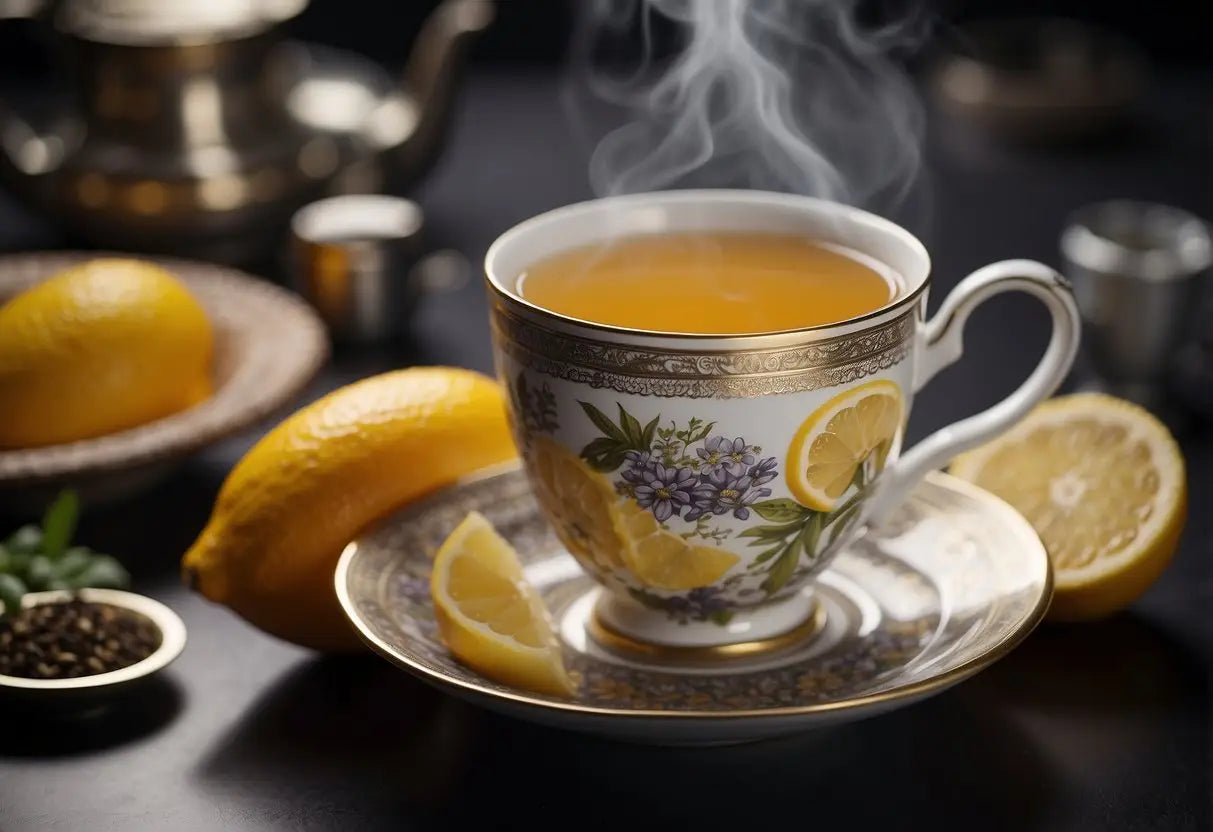
Lady Grey Tea is a variant of Earl Grey Tea with additional citrus ingredients.
Ingredients
- Black Tea Leaves: Often sourced from regions like Assam or Ceylon.
- Bergamot Oil: Essential for the signature citrus flavor.
- Orange Peel: Adds a sweet and tangy note.
- Lemon Peel: Enhances the zesty, fresh taste.
- Optional: Blue Cornflowers or Jasmine Flowers for visual appeal and subtle flavor.
Flavor Profile
Lady Grey Tea offers a mild and fragrant experience. The black tea base provides a robust and rich foundation.
The bergamot oil introduces a distinct citrus aroma and flavor, which is balanced by the sweetness of the orange peel. The lemon peel adds a crisp, zesty edge.
You can enjoy this tea hot or iced. It pairs well with a slice of lemon or a drop of honey for added sweetness.
Lady Grey Tea has a refreshing quality without being overpowering, making it suitable for any time of the day.
Why People Enjoy Lady Grey
Lady Grey tea is mostly enjoyed for its flavor and for the small ritual of making a pot. Here's what people tend to like about it.
A Gentler Bergamot Cup
If you find the bergamot in Earl Grey a little strong or perfumed, Lady Grey is an easy alternative. The orange and lemon peel round out the bergamot, so the cup tastes brighter and softer.
What's in the Leaf
Black tea naturally contains polyphenols, including flavonoids, which contribute to the brew's amber color and gentle astringency. The bergamot oil and citrus peel supply most of the aroma. For general tips on enjoying tea every day, see our guide to everyday tea drinking.
A Pleasant Cup After a Meal
The bright citrus notes make Lady Grey a refreshing cup after a meal, especially alongside rich pastries, butter cookies or a slice of lemon cake.
Caffeine Content
Lady Grey is a black tea blend, so it contains caffeine, generally less than a typical cup of coffee. Brewing a cup for a shorter time gives a lighter result. If you're sensitive to caffeine, enjoy it earlier in the day, or choose a caffeine-free herbal infusion in the evening.
Citrus Peel and Aroma
The dried orange and lemon peel carry natural citrus oils, which is where much of Lady Grey's zesty, fresh aroma comes from. Fresher tea means a brighter citrus scent, so store it in an airtight tin.
A Comforting Afternoon Ritual
Brewing a pot of Lady Grey and pausing for a warm cup makes a calm afternoon ritual, and the scent of bergamot rising from the cup is a big part of the experience.
Note: Lady Grey contains caffeine. If you're pregnant, breastfeeding or taking medication, check with your doctor about how much caffeine is right for you.
Brewing Methods
To brew Lady Grey tea, begin with fresh, cold water. Bring the water to a gentle boil.
For loose leaf tea, use one teaspoon of tea per cup. Place the tea in an infuser or a teapot.
For tea bags, use one tea bag per cup.
Ideal steeping time is 3-5 minutes. Too long will make the tea bitter.
Steeping temperature should be around 200°F (93°C).
Remove the tea leaves or bag immediately after steeping. This ensures a flavorful, balanced cup without bitterness.
If preferred, add a slice of lemon or a dash of milk.
Serve hot, or let it cool for an iced tea option by adding ice cubes.
Experiment with different strengths by adjusting the steeping time or amount of tea used.
Cultural Significance
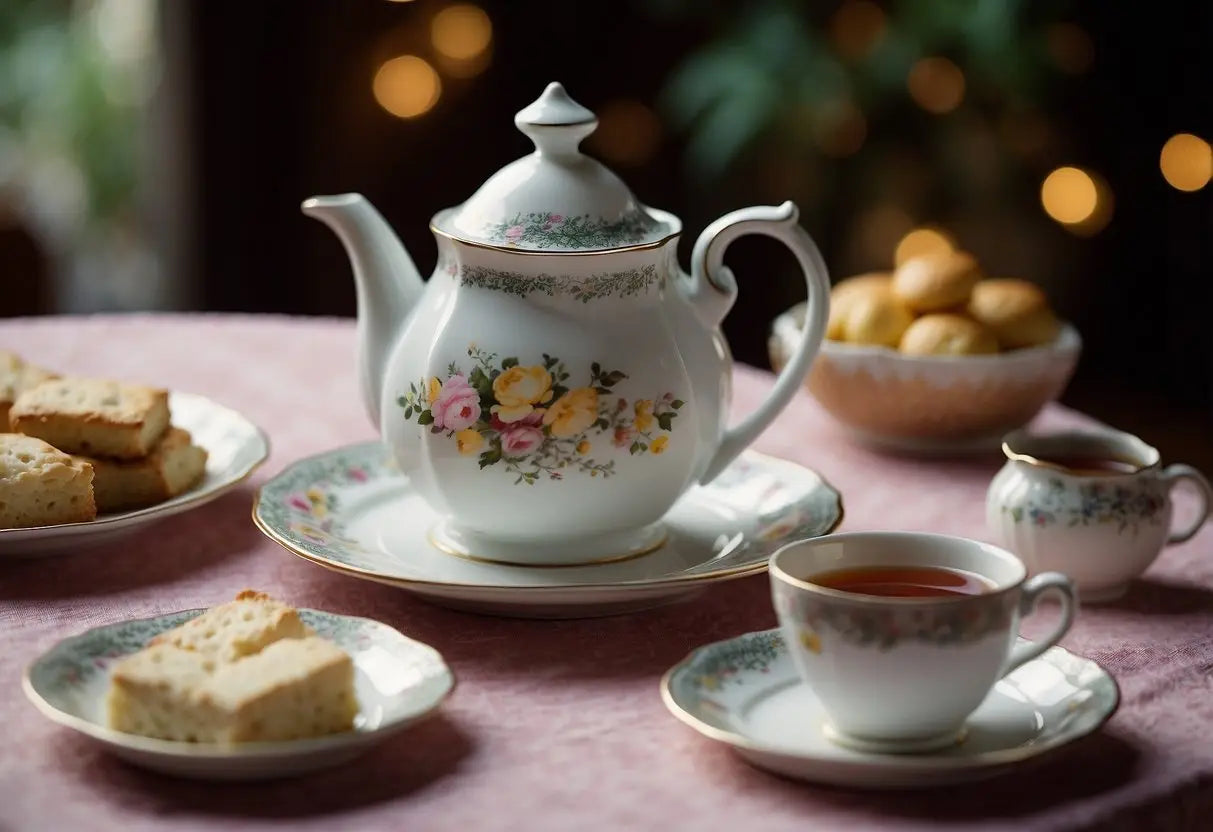
Lady Grey tea, like many teas, holds a unique place in culture. It was introduced by Twinings in the early 1990s. Named after Mary Elizabeth Grey, it brings a softer alternative to the traditional Earl Grey.
This tea reflects its British roots with elegance. It's popular during afternoon tea, a cherished British tradition. Enjoying Lady Grey can be seen as a nod to this age-old custom.
Lady Grey tea is also enjoyed worldwide. Its refreshing citrus notes and delicate flavor make it suitable for various occasions. Whether it’s a formal gathering or a casual get-together, this tea is a favorite.
The distinct blend of black tea with orange, lemon, and bergamot provides a refreshing twist. You may find it being served in upscale cafes or presented as a sophisticated gift.
Common Descriptors:
- Elegant
- Refreshing
- Citrusy
Popular Occasions:
- Afternoon tea
- Social gatherings
- Gifts
Enjoy Lady Grey and embrace a touch of British culture and sophistication.
Comparison with Earl Grey
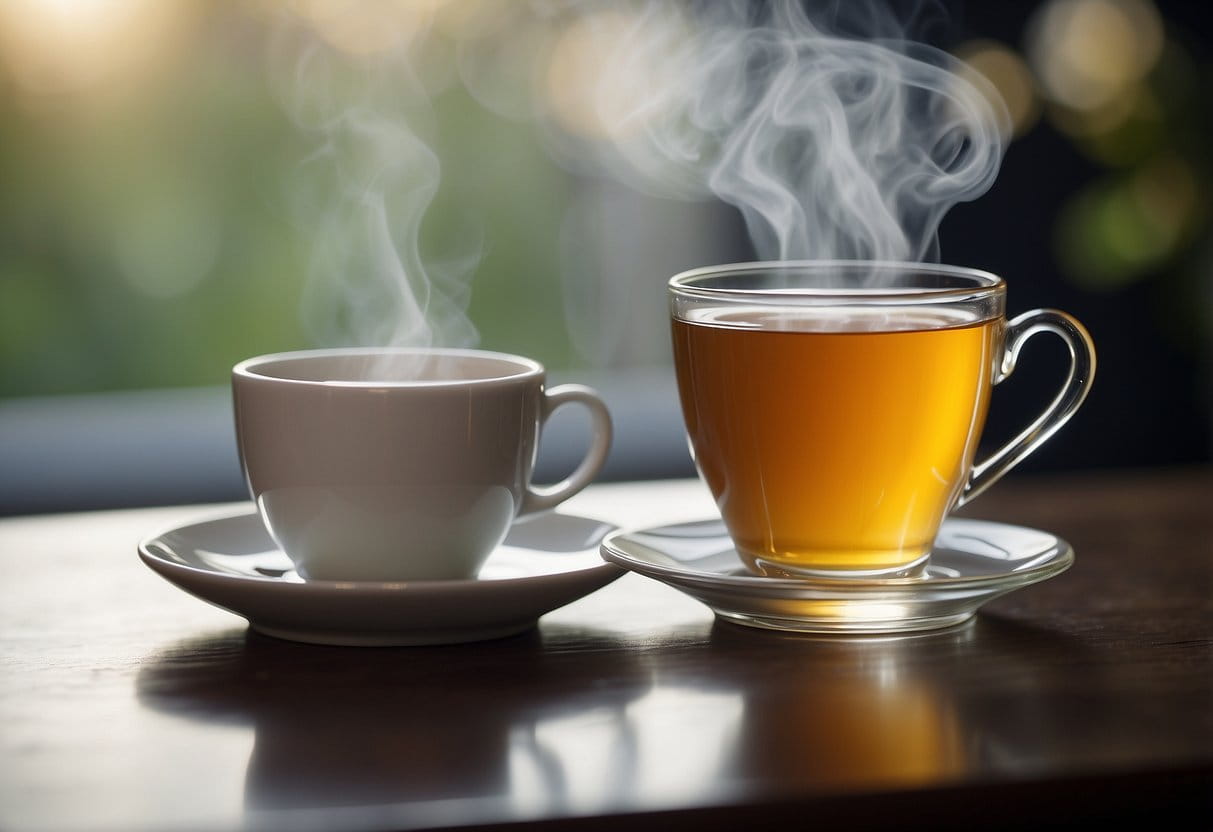
Lady Grey and Earl Grey both belong to the family of black teas and share the common ingredient of bergamot oil.
Earl Grey has a robust, slightly bitter flavor profile. It's frequently enjoyed by those who appreciate a strong cup of tea.
Lady Grey is a blend that includes not only bergamot but also additional citrus flavors like orange and lemon peel.
This difference gives Lady Grey a lighter, more refreshing taste compared to the stronger, more straightforward flavor of Earl Grey.
| Earl Grey | Lady Grey | |
|---|---|---|
| Flavor | Strong, slightly bitter | Light, citrusy |
| Citrus Elements | Bergamot oil | Bergamot, orange, lemon |
| Popular Additions | Lemon, milk | Lemon, honey |
You may find Lady Grey to be more pleasant if you prefer subtler, fruitier notes.
In contrast, Earl Grey offers a richer, more pronounced bergamot flavor, making it a favorite for traditional tea drinkers.
Lady Grey is often seen as a more modern twist on its classic counterpart.
Variations and Blends
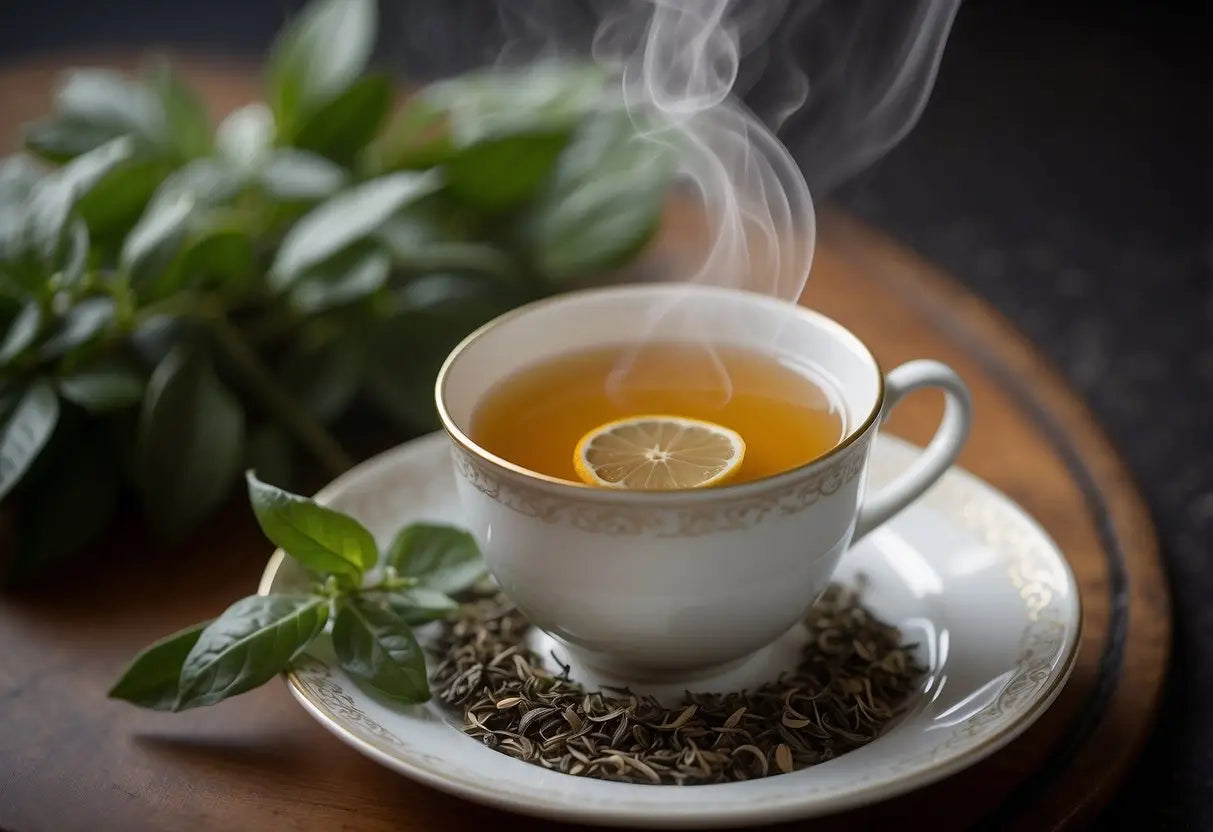
Lady Grey Tea is known for its light and bright flavor profile. There are several variations and blends to explore.
One popular variation is Earl Grey, where Lady Grey is a milder adaptation. Lavender Lady Grey includes lavender petals, adding a floral twist. Meanwhile, Rose Lady Grey incorporates rose petals, offering a subtle floral note.
Some variations focus on citrus elements. For instance, you might find Orange Lady Grey with added orange peel for a zesty touch. Another favorite is Lemon Lady Grey, enriched with lemon peel.
Here's a quick reference table for Lady Grey variations:
| Variation | Added Ingredient |
|---|---|
| Lavender Lady Grey | Lavender Petals |
| Rose Lady Grey | Rose Petals |
| Orange Lady Grey | Orange Peel |
| Lemon Lady Grey | Lemon Peel |
Certain brands mix Lady Grey with other teas. Green Lady Grey combines it with green tea for a lighter taste. Herbal Lady Grey often includes chamomile, mint, or other herbs.
Experiment with different blends to find one you enjoy. Make a cozy ritual out of brewing, and discover which ingredients complement your taste best.
Packaging and Branding
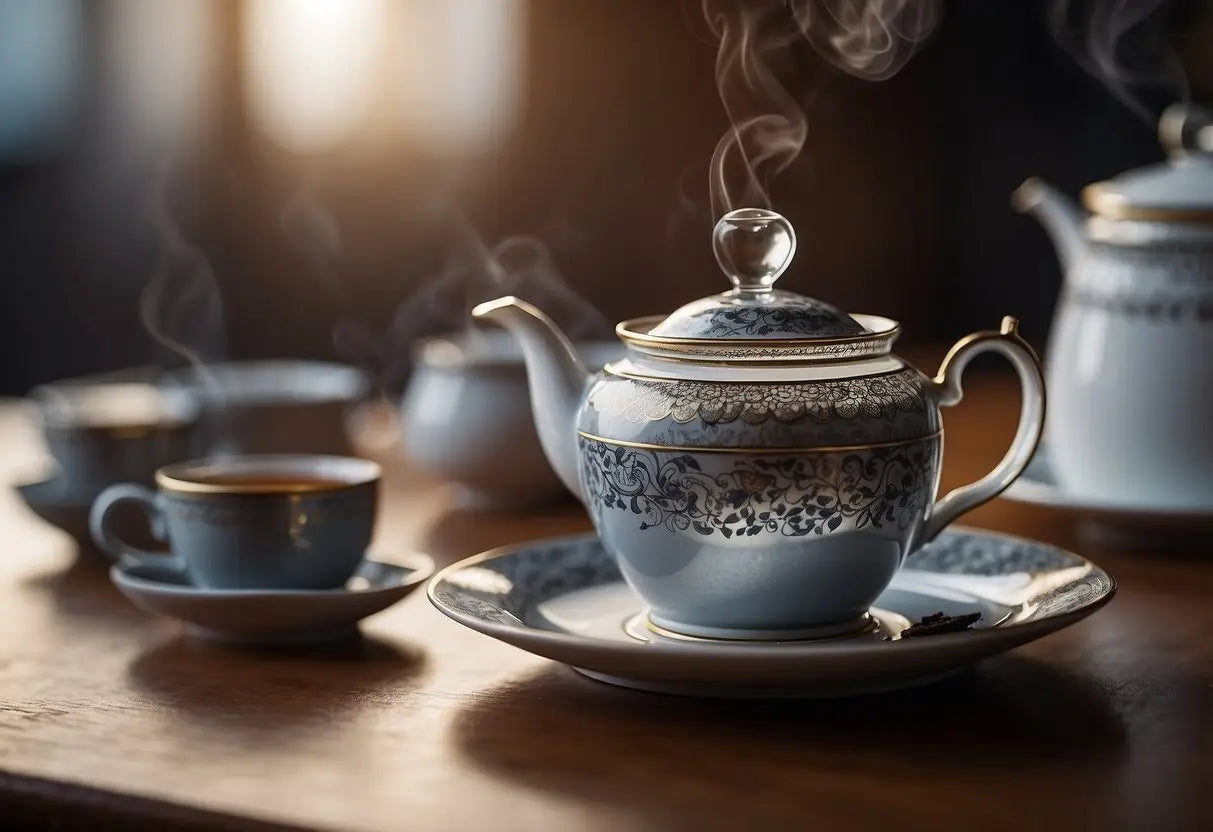
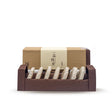
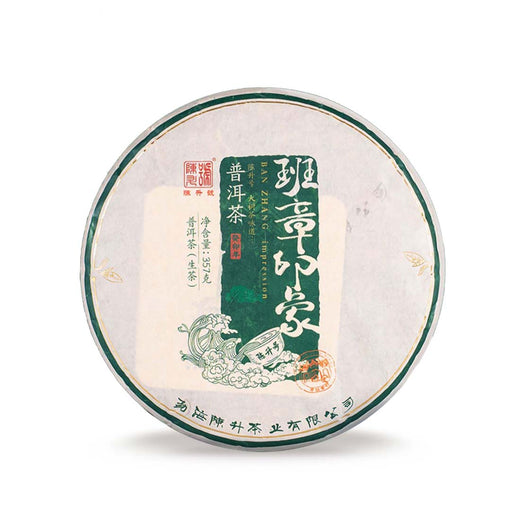
When choosing Lady Grey tea, packaging plays a crucial role in your selection. Many brands use elegant, sophisticated designs to convey the refined nature of this tea.
Packaging often includes vivid imagery of bergamot, oranges, and lemons to reflect the tea's distinctive flavors. These visual cues help you easily identify the product on a crowded shelf.
Popular packaging styles include:
- Tin containers for an airtight seal.
- Paper boxes with inner foil linings to maintain freshness.
- Pouches for eco-friendly options.
Branding helps establish the tea’s reputation. High-quality brands emphasize the origin of the tea leaves and the careful blending of flavors. This information is often highlighted on the packaging.
Fonts and colors are also carefully chosen. Gold accents and floral patterns are common to evoke a sense of luxury and tradition.
Additionally, some brands might offer limited editions or gift sets that include unique packaging, making Lady Grey tea an appealing choice for special occasions.
The choice of packaging not only protects the tea but also enhances its appeal and often influences your purchasing decision.
Serving Suggestions
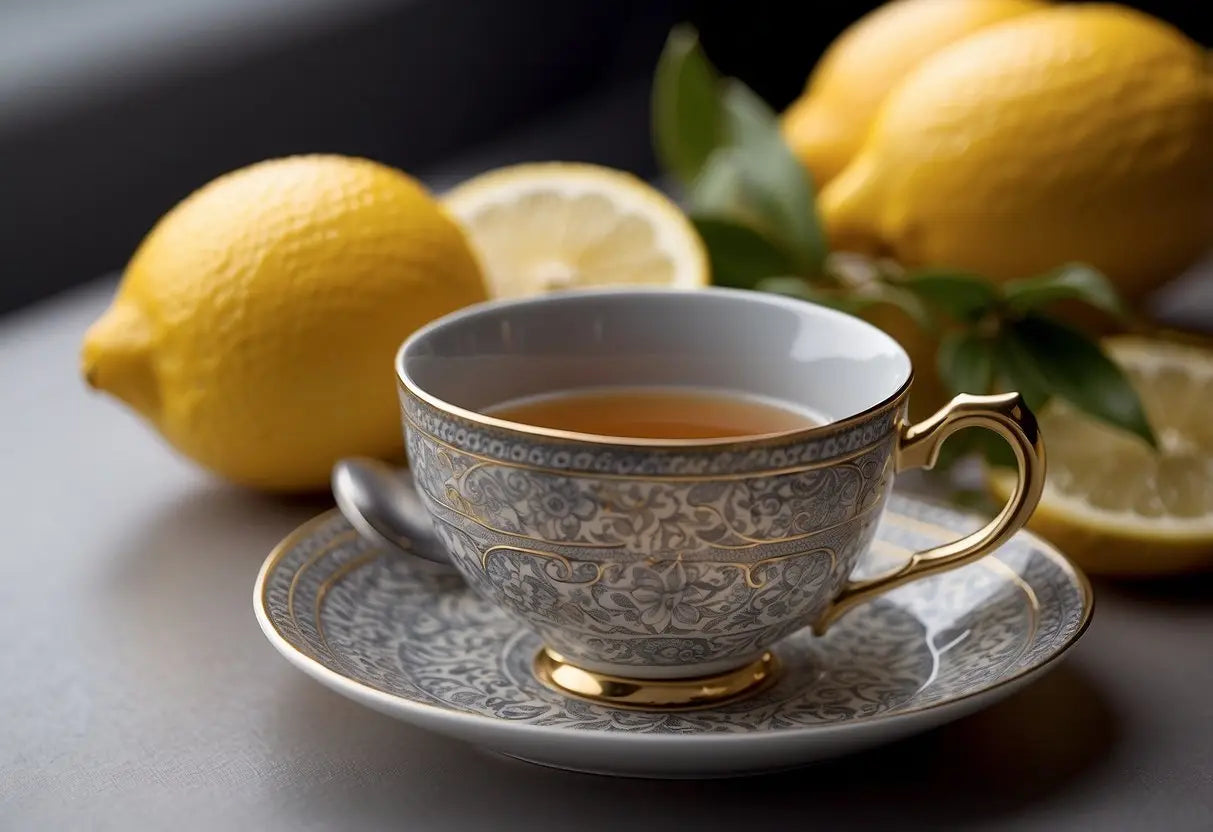
Lady Grey tea is best enjoyed when freshly brewed with pure, filtered water.
To enhance the flavor, steep the tea bag or loose leaves in water just below boiling point, around 95°C (203°F), for 3-4 minutes. Over-steeping may result in a bitter taste.
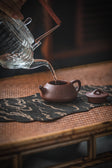
For a traditional serving, pour the tea into a fine china teacup. You may add a slice of lemon, which complements the citrus notes.
If you prefer a sweeter touch, add a teaspoon of honey or sugar.
Some enjoy Lady Grey with a splash of milk, though it’s less common.
Experiment with alternative flavors by adding a sprig of fresh mint or a few lavender flowers.
Pair Lady Grey tea with light snacks, such as scones or shortbread cookies. These accompaniments highlight the tea's delicate flavor.
A quick reference table to help with your preparation:
| Aspect | Recommendation |
|---|---|
| Water Temperature | 95°C (203°F) |
| Steeping Time | 3-4 minutes |
| Additives | Lemon, honey, sugar, milk (optional) |
| Pairings | Scones, shortbread cookies |
For a refreshing summer drink, try Lady Grey iced tea. Brew the tea, allow it to cool, and serve over ice with a slice of orange or lemon.
Ultimately, the best way to enjoy Lady Grey tea is the way that pleases your palate most.
This article is general information about tea, not medical advice. If you're pregnant, breastfeeding, taking medication or managing a health condition, please talk to your doctor before changing what you drink.


