


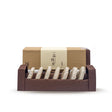
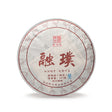
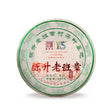
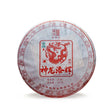



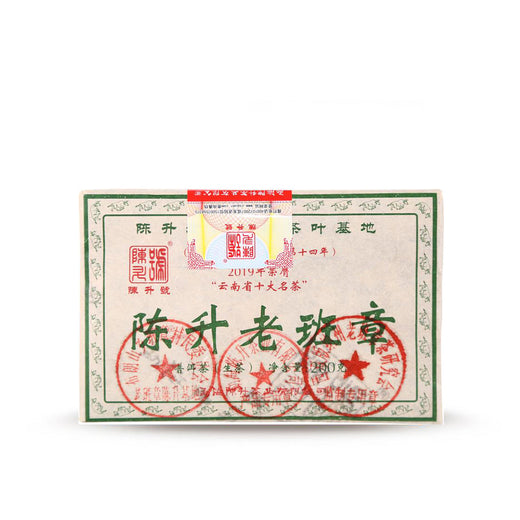


Shop our premium Pu Erh tea collection—available in both ripe and raw varieties!
Pu erh tea has been cherished for centuries in Yunnan, China, for its deep, earthy flavor and the way it changes with age. More and more people around the world are discovering it as a morning drink.
One thing first: we don't make health claims about pu erh. It is a tea to enjoy, not a treatment for anything, and if you have questions about your health, your doctor is the right person to ask. Here are 10 honest reasons why pu erh might earn a place in your morning routine.
1) A Smooth Start to the Day
Ripe pu erh is known for its mellow, rounded taste with very little bitterness. Notes of wood, dark chocolate, dates and forest floor make it easy to drink first thing in the morning, even before breakfast.
Raw pu erh is brighter and more lively. If you like a crisp, slightly astringent cup to wake up your palate, a young raw tea can be a refreshing alternative.
2) Caffeine You Can Adjust
Pu erh contains caffeine, generally less than a typical cup of coffee. How much ends up in your cup depends on how much leaf you use and how long you steep it.
That makes it easy to fine-tune. Use fewer leaves and shorter steeps for a lighter cup, or brew stronger when you want more body. If you're sensitive to caffeine, keep cups small and enjoy pu erh in the morning rather than later in the day. If you're pregnant or breastfeeding, ask your doctor how much caffeine is right for you.
3) A Warming Cup on Cool Mornings
A hot mug of ripe pu erh, with its dark red-brown color and earthy aroma, is a comforting way to start a cold or rainy day. Holding a warm cup while the house wakes up is part of the appeal.
Let very hot tea cool for a minute or two before you sip it.
4) It Pairs Well with Breakfast
Pu erh is the classic tea of dim sum in Hong Kong and Guangdong, served alongside dumplings, buns and rice rolls. That same quality makes it a good partner for a Western breakfast.
Try it with eggs and toast, a bacon sandwich, buttery pastries or a bowl of congee. Its depth stands up to rich, savory food without overpowering it.
5) Brew Once, Sip All Morning
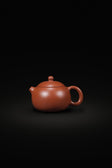
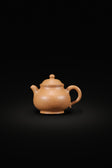
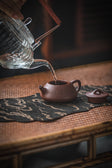
Good pu erh leaves can be steeped many times. Brewed gongfu-style in a small teapot or gaiwan, a single serving of leaves can give you 8 to 10 short infusions.
Each infusion tastes a little different, so one session can carry you through a long morning at your desk, with the flavor shifting from bold to soft and sweet.
6) A Calm Morning Ritual
Rinsing the leaves, warming the teapot and pouring short infusions turns tea into a small ritual. Many people find that taking a few quiet minutes for it is a peaceful way to begin the day.
You don't need special equipment to enjoy this. A mug and a strainer work fine, but a simple gaiwan makes the process more engaging.
7) An Alternative to Coffee
If you're looking to cut back on coffee, or simply want a change, pu erh is a popular switch. Its dark color and full body feel familiar to coffee drinkers, while the flavor is entirely its own.
Some people alternate, keeping coffee for busy weekdays and saving pu erh for slower weekend mornings.
8) Flavor That Changes with Age
Pu erh is one of the few teas made to age. Raw pu erh slowly transforms over years of storage, and ripe pu erh is made by a controlled microbial fermentation called wo dui that gives it its dark, mellow character.
Because of this, comparing a young cake with an older one is a fascinating tasting experience, and many drinkers enjoy following one tea as it develops over the years.
9) Easy to Brew Your Way
For a simple morning cup, use about 3 to 4 grams of leaves in a mug, give them a quick rinse with hot water, then steep for 1 to 3 minutes.
For gongfu brewing, use more leaves in a small vessel and pour short infusions of 10 to 30 seconds, increasing the time as you go. Either way, adjust to taste: shorter for lighter, longer for stronger.
10) A Connection to Yunnan's Tea Culture
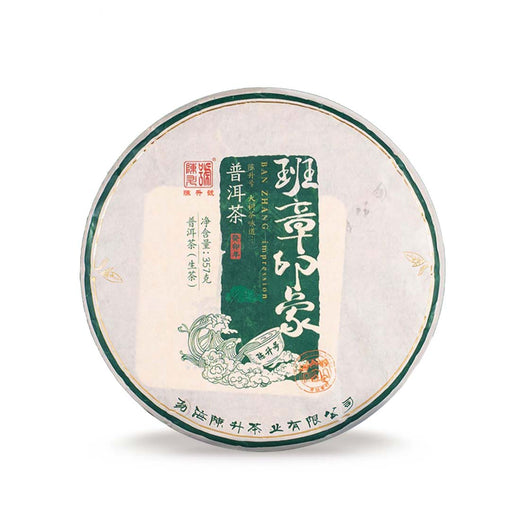
Pu erh takes its name from the town of Pu'er in Yunnan, an old trading hub. Compressed cakes and bricks were carried for centuries along the Tea Horse Road to Tibet, where tea was drunk daily by herders and traders.
Starting your day with pu erh connects you to that long tradition. Our ripe pu erh is a good place to begin if you prefer a smooth, mellow cup, while our raw pu erh suits those who like brighter, more complex flavors.
This article is general information about tea, not medical advice. If you're pregnant, breastfeeding, taking medication or managing a health condition, please talk to your doctor before changing what you drink.


