


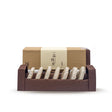
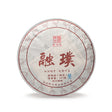
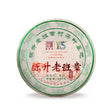
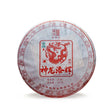


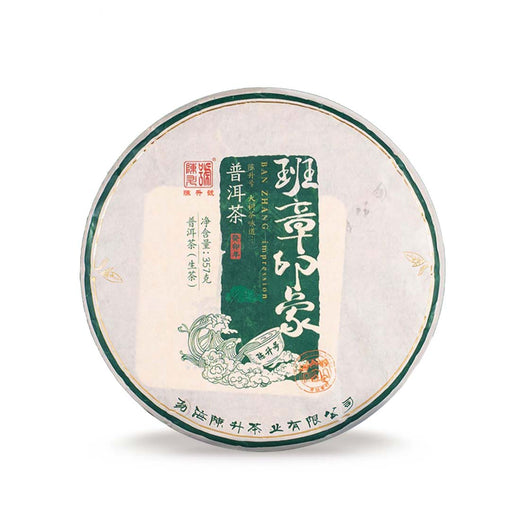
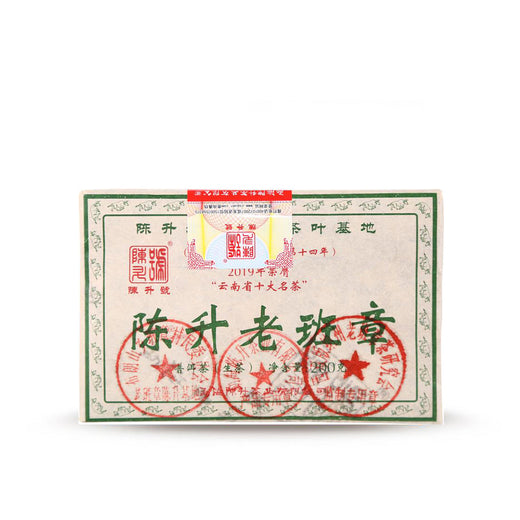


The leaves and buds of the Camellia sinensis plant are used to make Pu Erh tea. White, black, green and oolong teas all come from the same plant; what makes them different is how the leaves are processed.
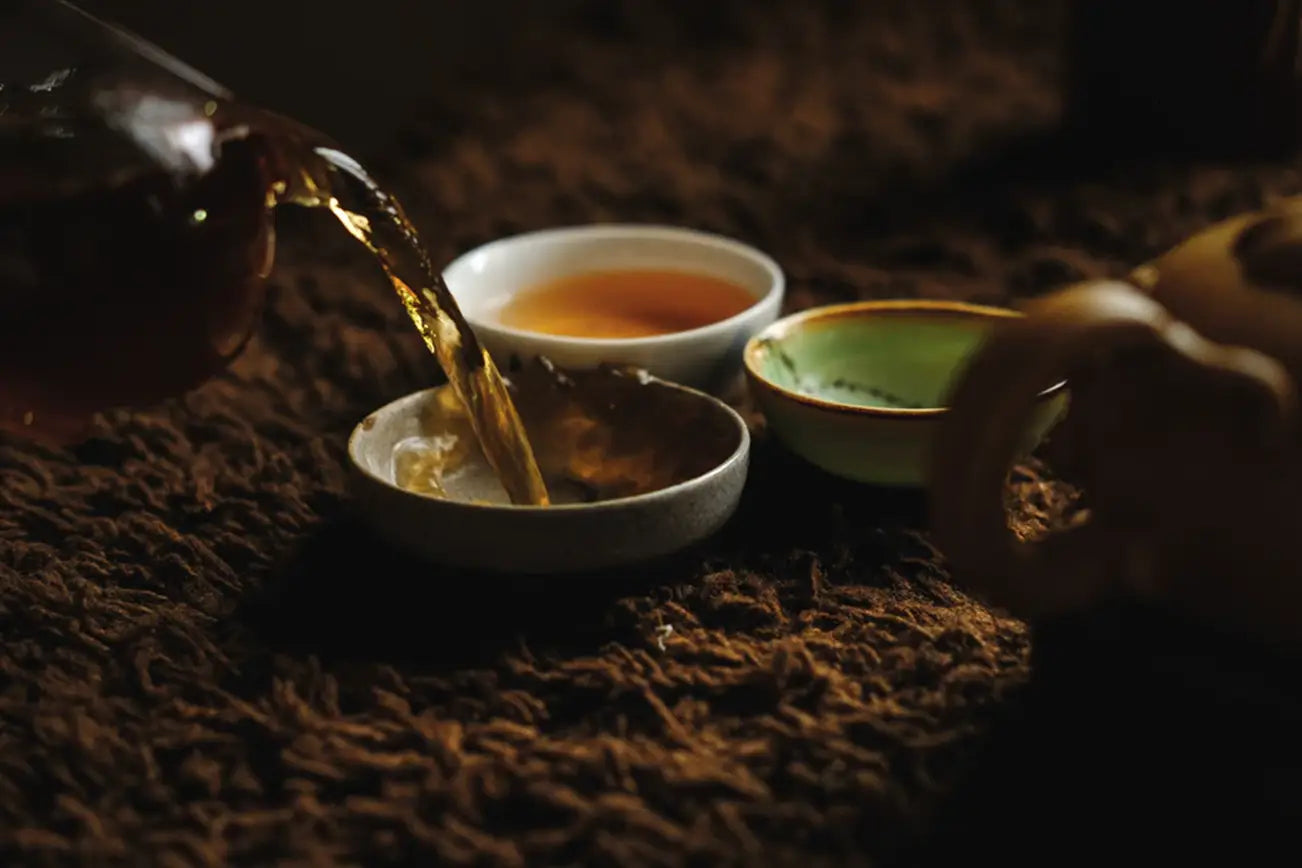
(Source: Unsplash.com)
After picking, pu-erh leaves are withered, pan-fired, rolled and sun-dried. Raw pu-erh (sheng) is then pressed and left to age slowly, often for years. Ripe pu-erh (shou) first goes through a controlled microbial fermentation called wo dui (wet piling), which gives it a dark, smooth, earthy taste. Pu-erh is mainly produced in Yunnan province in southwest China and is now enjoyed around the world.
Pu-erh is an everyday tea for millions of people, and most enjoy it without any trouble. Like any caffeinated drink, though, it can cause unwanted effects for some people, especially in large amounts. Here are the most common ones and practical ways to manage them.
Side effects of Pu Erh and how to manage each
Most side effects of pu-erh come from its caffeine, and some from tannins, the natural compounds that give tea its dry, slightly bitter taste.
-
Sleep disturbance
Pu-erh naturally contains caffeine, and drinking a lot of it, or drinking it late in the day, can disturb your sleep.
Caffeine is a stimulant that keeps you feeling alert. People clear caffeine from their bodies at very different speeds, so a cup in the afternoon may not bother one person but may keep another awake at night.
Management: If you have trouble sleeping and drink pu-erh regularly, try cutting back and finishing your last cup earlier in the day, especially if you also have coffee, soda or other caffeinated drinks. In the evening, switch to a caffeine-free herbal infusion. If sleep problems continue, talk to your doctor.
-
Nausea
Strong tea can make some people feel queasy, especially in large amounts or on an empty stomach.
Tannins give tea its dry, bitter edge and can feel harsh on an empty stomach, sometimes causing nausea or stomach discomfort.
How much tea it takes varies a lot. Some sensitive people notice it after one or two strong cups, while others drink more without any problem.
Management: If you feel queasy after pu-erh, drink smaller cups, brew it a little lighter, and have it with or after food rather than on an empty stomach. If nausea continues, see a healthcare professional.
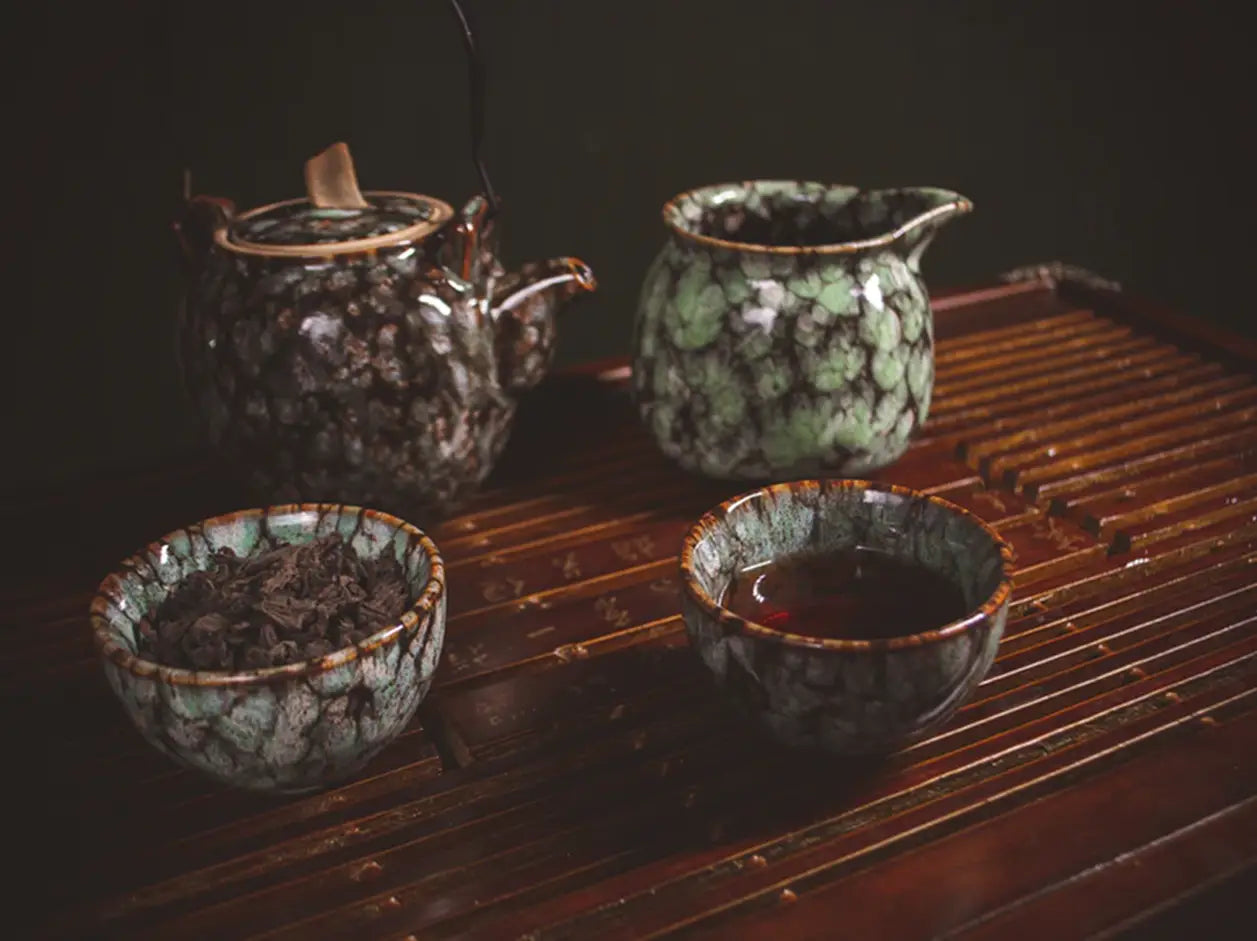
(Source: Unsplash.com) -
Restlessness and Nervousness
Too much caffeine, from tea or any other source, can make you feel restless, jittery or on edge.
A cup of pu-erh contains roughly 30 to 100 mg of caffeine, depending on the leaf, how much you use and how long you steep it. Many people are comfortable with moderate amounts spread through the day, but some are much more sensitive to caffeine than others.
Management: If tea leaves you feeling restless or nervous, you have probably had more caffeine than suits you. Cut back, brew lighter, or try caffeine-free herbal infusions. Herbal infusions are made from herbs, flowers or fruit rather than the tea plant, so they contain no caffeine. See our list of teas with no caffeine.
-
Heartburn
Caffeinated drinks, including tea, can trigger heartburn or make reflux symptoms worse in people who are prone to them.
Management: Not everyone who drinks pu-erh gets heartburn, and people react to the same foods in very different ways. If you drink a lot of pu-erh and often have heartburn, try cutting back to see whether it makes a difference, and drink your tea with food. If heartburn is frequent, talk to your doctor or pharmacist.
-
Headache
Regular, heavy caffeine intake can be linked to headaches in some people, and cutting back suddenly after drinking a lot of caffeine every day can also bring on a headache for a few days.
Pu-erh usually contains less caffeine than coffee, but several strong cups a day add up.
Management: If you get frequent headaches and think caffeine may play a part, cut back gradually rather than stopping all at once. If headaches continue, see your doctor.
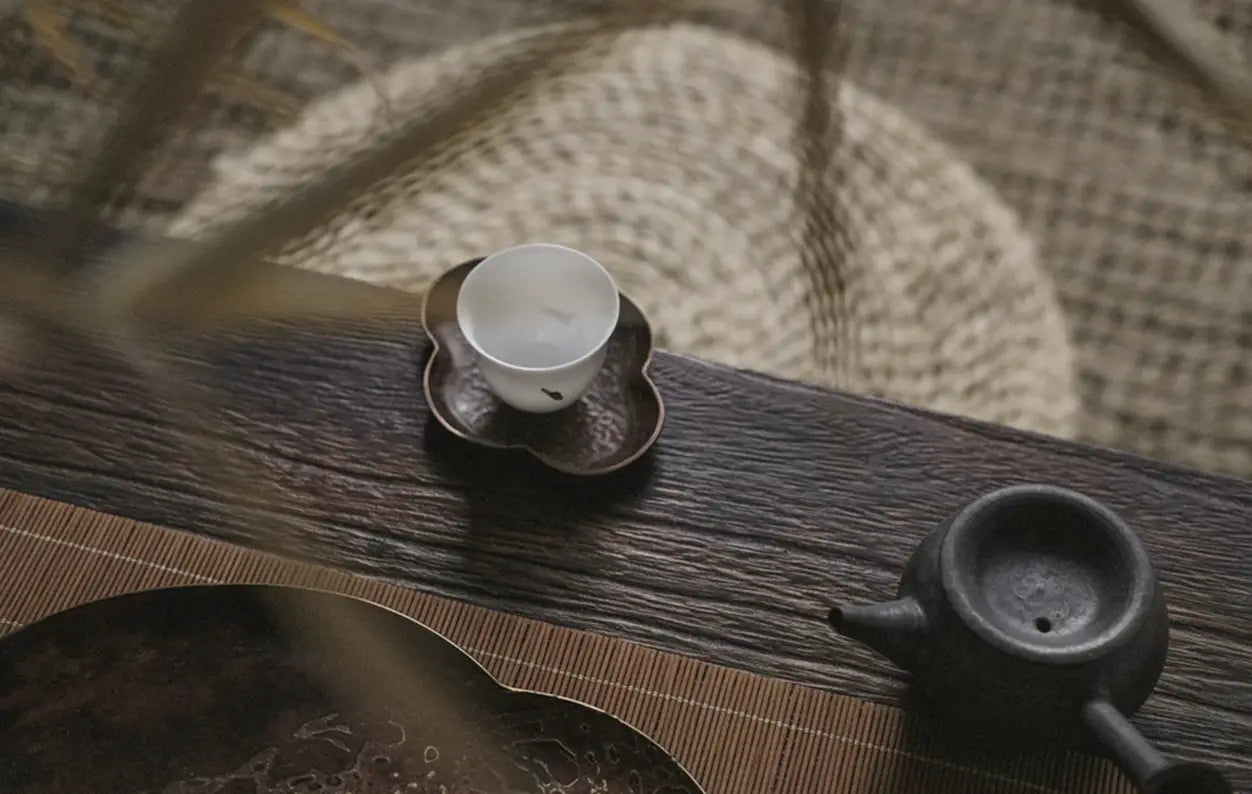
(Source: Unsplash.com)
Pu Erh Tea Must-know Precautions:
- If you are sensitive to caffeine, or have high blood pressure, a heart condition or a stomach condition, ask your doctor how much caffeine is right for you. Many people drink one or two cups of pu-erh a day without any problems.
- During pregnancy, most health professionals recommend limiting caffeine to about 200 mg per day from all sources. If you are pregnant, talk to your doctor or midwife about how much tea is right for you.
- If you are breastfeeding, caffeine can pass into breast milk and may affect your baby's sleep. Ask your doctor about a sensible daily limit.
- If you have a bleeding disorder or take blood-thinning or other regular medication, check with your doctor or pharmacist before drinking pu-erh regularly.
- Store pu-erh in a clean, dry place away from strong smells. Well-stored pu-erh can smell earthy, but it should never look fuzzy or moldy or smell sour. Don't drink tea that shows visible mold.
- Let your tea cool a little before drinking; very hot drinks are best avoided.
For more on caffeine, see our guide to pu-erh tea caffeine and our overview of pu-erh tea side effects.
This article is general information about tea, not medical advice. If you're pregnant, breastfeeding, taking medication or managing a health condition, please talk to your doctor before changing what you drink.


