


Buy your weekday smoothies and get your weekend ones for free. (7 for the price of 5!)
WELLNESSWEEK


陈升号 · Newsletter
Join our newsletter and we'll send you four short letters, a few days apart:
After that, you'll be the first to hear about new teas and limited releases.
陈升号 · Newsletter
Your first letter, the story behind our tea, is on its way. If it isn't in your inbox in a few minutes, please check your Promotions or Spam folder.

Search for pu-erh tea and you'll quickly find it sold as a "slimming" or "fat-burning" tea. We understand why people ask about it, so here is a plain answer: pu-erh is a drink, not a weight-loss product, and no tea can do the work of a healthy diet, activity or medical care. If you're trying to change your weight, a doctor or registered dietitian is the right person to help you plan it.
What follows is what we can honestly tell you about pu-erh, where the weight-loss reputation comes from, and how to enjoy the tea for what it is.
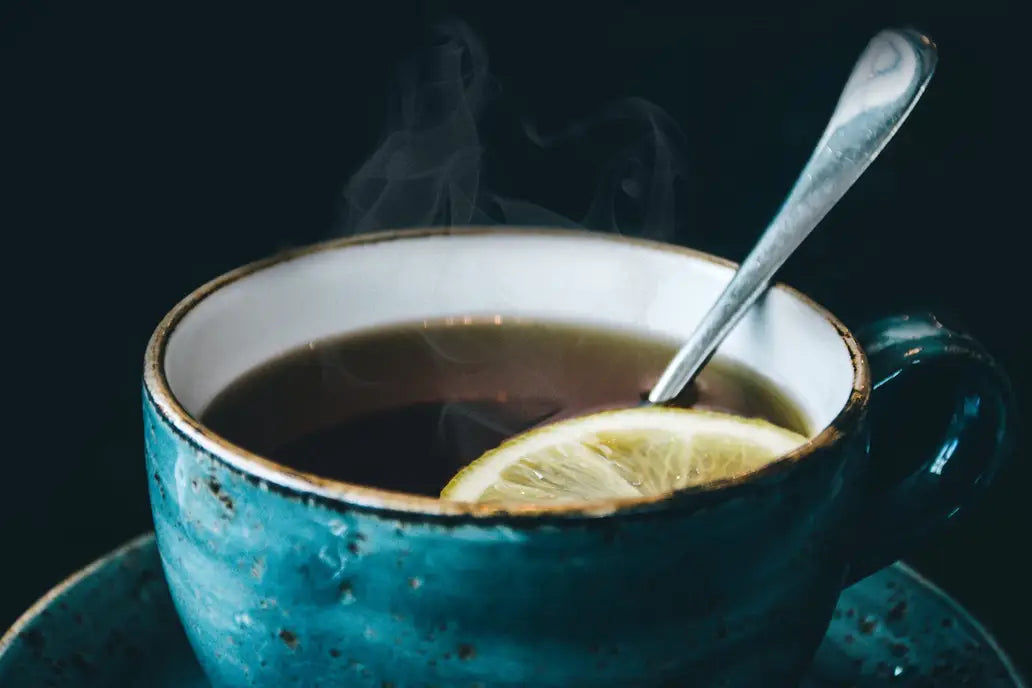
Pu-erh is a tea from Yunnan Province in southwest China, made from the large leaves of the Camellia sinensis plant. It comes in two main styles. Raw (sheng) pu-erh is sun-dried, pressed into cakes and left to change slowly over years of storage. Ripe (shou) pu-erh goes through a controlled microbial fermentation called wo dui, or wet piling, which gives it a dark, smooth, earthy character within months.
In Yunnan, pu-erh has long been drunk after rich, meaty meals, and along the Tea Horse Road it was carried to Tibet, where herders drank it every day with butter and salt. Over time that habit of pairing pu-erh with heavy food turned into a marketing story, and pu-erh began to be sold abroad as a "slimming" tea.
An earlier version of this article summarized laboratory and animal studies on concentrated pu-erh extracts. We've taken that down. Experiments on extracts given to mice or rats are not the same as a person drinking brewed tea, and they are not a basis for telling anyone that a tea will change their weight. In the US and Canada, foods and drinks may not be marketed with claims like that, and we agree with the reason why.
Brewed pu-erh contains caffeine and tea polyphenols such as catechins (ripe pu-erh has fewer catechins and more of the darker compounds formed during fermentation). Brewed with only water, it has essentially no calories, and anything you add, such as milk, sugar or syrup, is where the calories come from.
Some products sold as detox, cleanse or slimming teas contain more than tea. Senna and other laxative herbs are common, and regulators in both the US and Canada have warned about weight-loss products containing undeclared ingredients. Read the ingredient list, be wary of any tea that promises rapid results, and ask a pharmacist if you're unsure about a product. Our pu-erh is simply tea leaves, nothing added.
Pu-erh contains caffeine, and the amount in your cup depends on the leaf, the quantity you use, water temperature, steeping time and how many infusions you drink. If you're sensitive to caffeine, choose ripe pu-erh in small amounts, drink it earlier in the day, or switch to a caffeine-free herbal infusion in the evening. Read more in our guide to pu-erh tea caffeine.
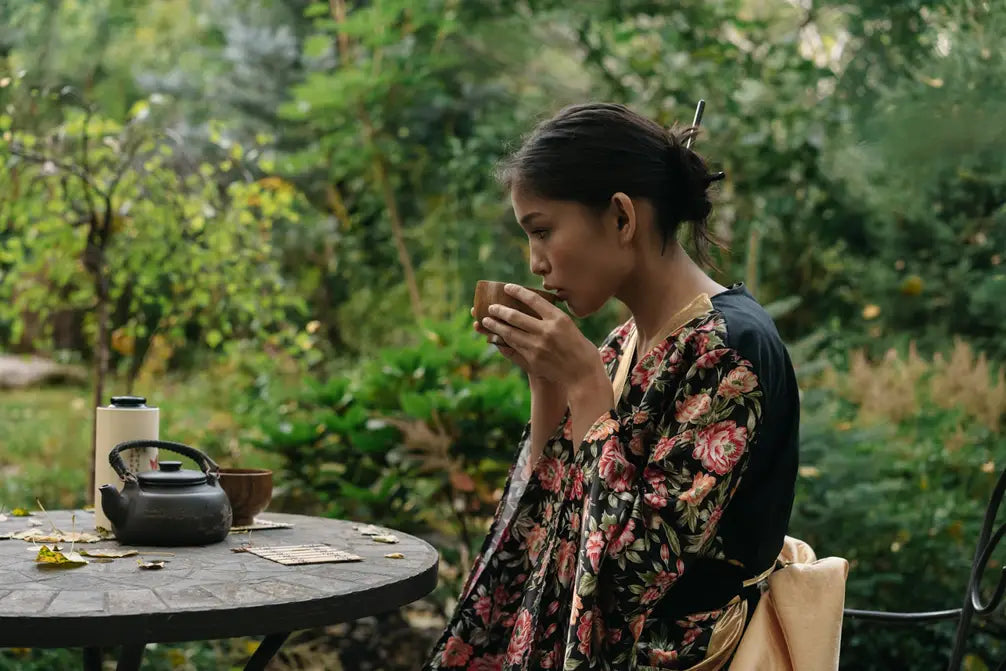
The best reason to drink pu-erh is that it tastes good and makes a pleasant ritual. A few ways people make it part of their day:
If you're new to pu-erh, start with a ripe tea for its smooth, forgiving flavor, or try both styles side by side with our tea samples. Chen Sheng Hao has been making pu-erh in Menghai, Yunnan, since 2007, and our teas are China Green Food (绿色食品) certified. Shipping is free on orders over $70 USD, and you can reach us at admin@cspuerh.com with any questions.
This article is general information about tea, not medical advice. If you're pregnant, breastfeeding, taking medication or managing a health condition, please talk to your doctor before changing what you drink.

The 95 tasting terms in the Pu'er Tea Association's 2026 quality standard, in English and Chinese — aroma, liquor color and taste, plus how the standard scores a pu'er.

Shop our premium Pu Erh tea collection—available in both ripe and raw varieties! Pu Erh tea stands as one of...

Shop our premium Pu Erh tea collection—available in both ripe and raw varieties! Pu-erh tea, a beloved fermented variety from...

Shop our Pu Erh tea collection, available in both ripe and raw varieties! Pu erh tea, with its rich history...

Shop our premium Pu Erh tea collection—available in both ripe and raw varieties! In the misty mountains of Yunnan Province,...

Shop our pu-erh tea collection, available in both ripe and raw varieties. In Yunnan, pu-erh has long been drunk after...