


Buy your weekday smoothies and get your weekend ones for free. (7 for the price of 5!)
WELLNESSWEEK


陈升号 · Newsletter
Join our newsletter and we'll send you four short letters, a few days apart:
After that, you'll be the first to hear about new teas and limited releases.
陈升号 · Newsletter
Your first letter, the story behind our tea, is on its way. If it isn't in your inbox in a few minutes, please check your Promotions or Spam folder.

You will often read that pu-erh tea has a special place in traditional Chinese medicine (TCM). We want to be clear from the start: we are tea makers, not medical practitioners. Pu-erh is a tea, not a remedy, and we don't recommend it for any health condition. If you have symptoms or a health concern, please talk to your doctor or pharmacist, and if you are interested in TCM itself, consult a licensed practitioner as well as your doctor.
What we can share is the history and culture around pu-erh, how it is made, what is in a cup, and how to brew and enjoy it.
Pu-erh takes its name from the town of Pu'er in Yunnan, a trading hub for tea grown in the surrounding mountains. Yunnan tea was pressed into cakes and bricks so it could be carried by caravan along the Ancient Tea Horse Road, which linked Yunnan with Tibet and beyond. Tibetan herders drank it every day, often churned with butter and salt.
During the Qing dynasty, pu-erh was sent to the imperial court as a tribute tea. In Yunnan, Guangdong and Hong Kong it has long been an everyday tea, poured at dim sum and served after rich, meaty meals.
Many Chinese tea drinkers describe ripe pu-erh as "warm" in character and like it in winter, and fresh raw pu-erh as "cooler", a choice for warmer months. These are traditions of taste and season, not medical advice.
Pu-erh's long aging is part of its appeal. Like wine, a cake can change over years or decades, and collectors enjoy tasting how it develops.
Discover our best-selling raw pu-erh tea and taste it for yourself.
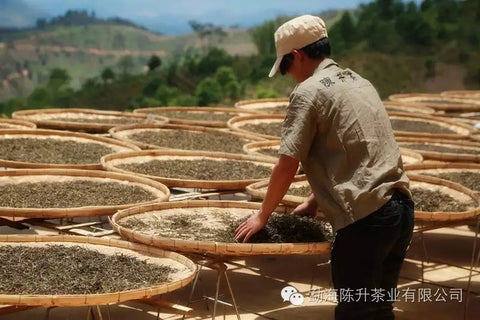
Pu-erh is divided into two main types based on how it is produced and aged. Each has its own flavor.
Raw pu-erh, or sheng, is minimally processed. After picking, the leaves are pan-fired, rolled and sun-dried, then often pressed into cakes or bricks and left to age naturally.
As it matures, raw pu-erh develops complex flavors, from floral and fruity to woody and earthy. It can be quite astringent when young and mellows with age.
Tea lovers prize raw pu-erh for the way it changes over time, and many collectors age their cakes for decades.
Ripe pu-erh, or shou, goes through an accelerated microbial fermentation called wo dui. The leaves are piled, moistened and regularly turned over several weeks, which gives a result reminiscent of long natural aging in a much shorter time.
The cup is deep and dark, with a smooth, earthy flavor and notes of wood, leather and sometimes mushroom.
Ripe pu-erh is mellow and low in astringency, which makes it a good choice if you are new to pu-erh.
Both types keep changing slowly with storage, so the same tea can taste different from one year to the next.
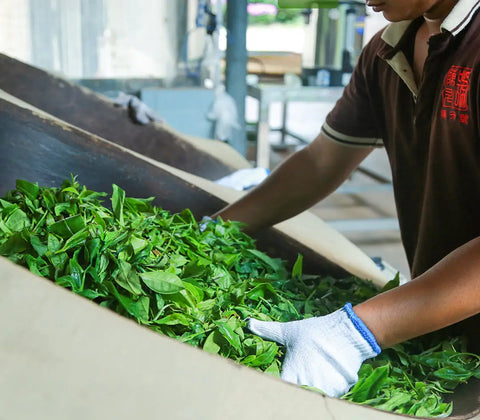
Pu-erh can be brewed in traditional and modern ways.
Gongfu brewing is the classic way to prepare pu-erh. You'll need a small clay teapot or gaiwan, cups and a tea tray. Rinse the leaves briefly with hot water and discard it to wake up the leaves.
Use water at 95-100°C (203-212°F). Steep for 10-30 seconds, lengthening each infusion. You can enjoy many infusions this way, each showing a different side of the tea.
For a simpler approach, brew pu-erh in a larger teapot or mug. Use 1-2 teaspoons of leaves per cup and steep for 3-5 minutes.
Cold brewing works well with pu-erh. Add leaves to room-temperature water and refrigerate for 8-12 hours for a smooth, less bitter cup.
Pu-erh tea bags are convenient on the go; steep in hot water for 3-5 minutes.
Some people use strongly brewed pu-erh in baking or desserts for its earthy flavor. It's worth experimenting with your favorite recipes.
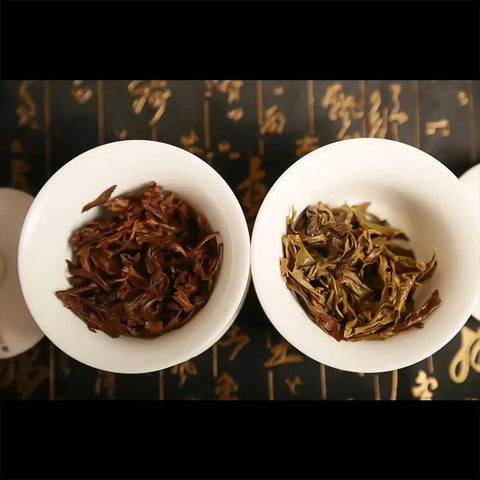
Here are some simple facts about what pu-erh contains. These describe composition and flavor, not health effects.
Fresh tea leaves contain polyphenols called catechins. In ripe pu-erh, fermentation turns many of them into larger, darker compounds such as thearubigins and theabrownins, which give the tea its red-brown color and smooth, rounded body. Raw pu-erh keeps more of its catechins, which is part of why young raw pu-erh tastes brighter and more astringent.
Pu-erh contains caffeine. The amount varies with the leaf, the processing and especially how you brew it; a cup may contain roughly 30-70 mg. If you're sensitive to caffeine, choose ripe pu-erh in small amounts with short steeps, drink it earlier in the day, or switch to a caffeine-free herbal infusion in the evening.
Ripe pu-erh is made by microbial fermentation. The microorganisms involved break down and transform compounds in the leaf, producing the earthy aroma, softer texture and sweetness that ripe pu-erh is known for. Careful producers control this process closely, because good fermentation and clean storage are what separate a pleasant ripe pu-erh from a musty one.
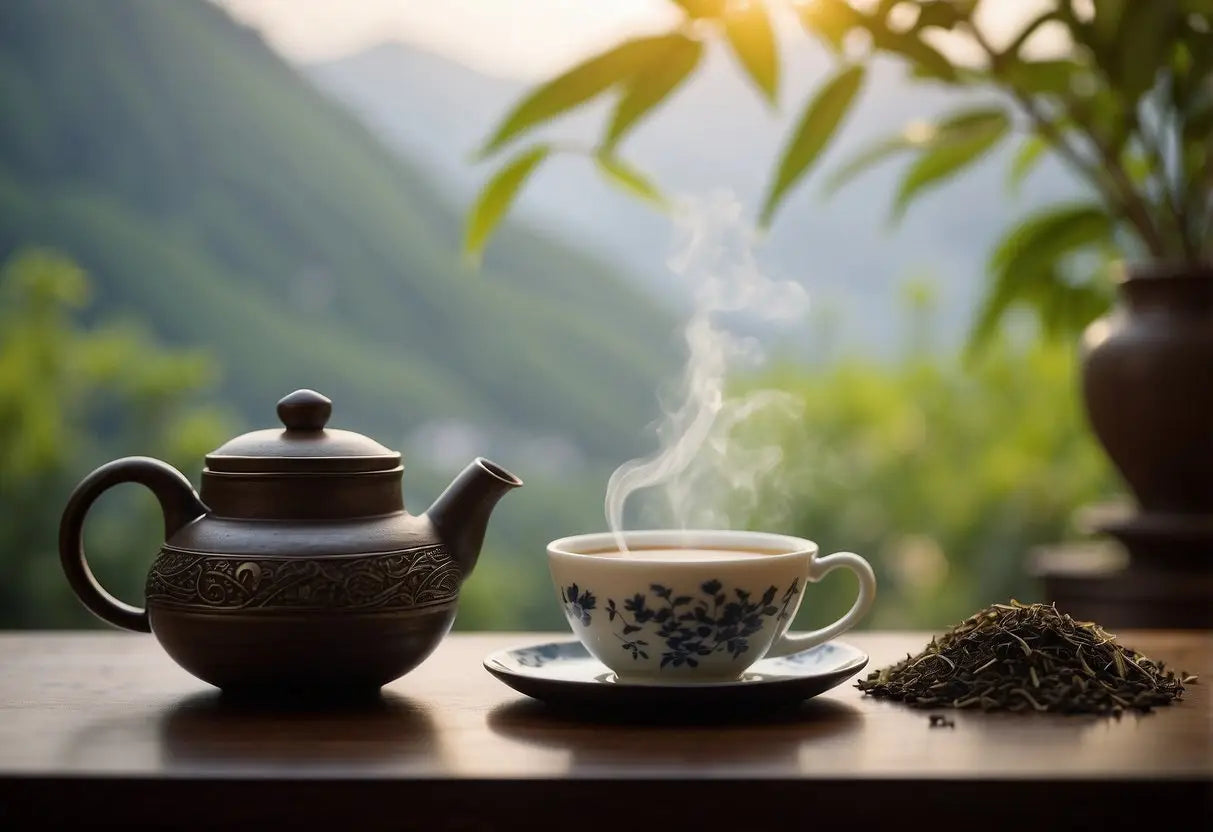
Many websites list long sets of benefits for pu-erh, often citing traditional medicine or small studies. In the US and Canada, food and drink sellers are not allowed to claim that a product treats, prevents or cures a disease, or has health effects, without approval. Beyond the rules, we simply don't think a tea maker should be telling you what a drink will do for your body.
So our focus is on what we know well: where the tea comes from, how it is made, how it tastes and how to brew it.
Ask pu-erh drinkers why they love it and you will usually hear about flavor and ritual:
When Chinese tea drinkers talk about pu-erh, they use words that can sound unfamiliar in English:
These terms are part of the culture of tasting. They describe how tea is experienced, not what it does for the body.
There is no "dose" for tea. Drink what you enjoy. A typical session uses 3-5 grams of leaf per cup of water, steeped for 2-3 minutes in a mug or in short infusions in a gaiwan.
Caution: Pu-erh contains caffeine. Limit it in the evening to avoid disrupting sleep, and if you're sensitive to caffeine, start with small amounts.
If you're pregnant or breastfeeding, have a health condition or take medication, ask your doctor before drinking pu-erh regularly.
Plain water should still be your main drink through the day.
Pu-erh is an ordinary tea, but a few precautions are sensible. For more detail, see our article on possible side effects of pu-erh tea.
Tea contains caffeine, and caffeine can interact with some medications. If you take any regular medication, ask your doctor or pharmacist whether tea is fine for you and how much.
If you are sensitive to caffeine, you may notice:
If so, drink less, brew it lighter, drink it earlier in the day or choose a caffeine-free herbal infusion. If you have any unusual reaction after drinking tea, stop and seek medical advice.
Tea drunk with a meal can reduce how much iron is absorbed from that meal. If you have been told to watch your iron levels, ask your doctor about when to drink tea.
Don't drink pu-erh that shows mold or smells musty and sour, and let freshly brewed tea cool a little rather than drinking it scalding hot.
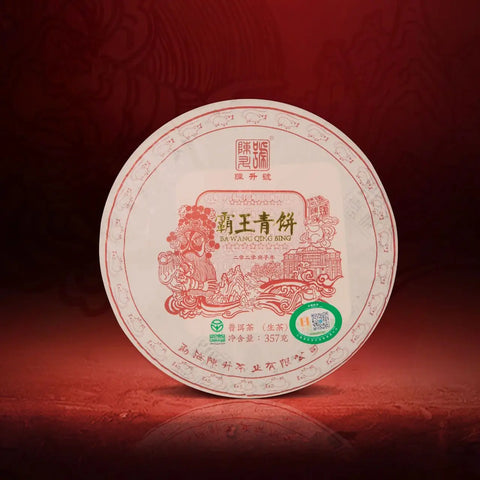
Pu-erh quality and authenticity depend heavily on where and how it was made, so good sourcing matters.
Pu-erh comes from Yunnan province in China, and each growing area has its own terroir, flavor and aging potential.
Notable pu-erh producing regions:
Climate, soil and local processing all shape the tea. Xishuangbanna pu-erh is often rich and full-bodied, while Lincang pu-erh can be more floral or fruity.
When choosing pu-erh, look at:
Good producers tell you the tea's origin, production date and storage conditions. Be wary of suspiciously cheap "aged" pu-erh, which can be poor quality or mislabeled.
Signs of a trustworthy tea:
Knowing these points will help you choose well and enjoy pu-erh's authentic flavors. If you'd like to explore, our tea samples are an easy place to start.
This article is general information about tea, not medical advice. If you're pregnant, breastfeeding, taking medication or managing a health condition, please talk to your doctor before changing what you drink.

The 95 tasting terms in the Pu'er Tea Association's 2026 quality standard, in English and Chinese — aroma, liquor color and taste, plus how the standard scores a pu'er.

Shop our premium Pu Erh tea collection—available in both ripe and raw varieties! Pu Erh tea stands as one of...

Shop our premium Pu Erh tea collection—available in both ripe and raw varieties! Pu-erh tea, a beloved fermented variety from...

Shop our Pu Erh tea collection, available in both ripe and raw varieties! Pu erh tea, with its rich history...

Shop our premium Pu Erh tea collection—available in both ripe and raw varieties! In the misty mountains of Yunnan Province,...

Shop our pu-erh tea collection, available in both ripe and raw varieties. In Yunnan, pu-erh has long been drunk after...