


Buy your weekday smoothies and get your weekend ones for free. (7 for the price of 5!)
WELLNESSWEEK


陈升号 · Newsletter
Join our newsletter and we'll send you four short letters, a few days apart:
After that, you'll be the first to hear about new teas and limited releases.
陈升号 · Newsletter
Your first letter, the story behind our tea, is on its way. If it isn't in your inbox in a few minutes, please check your Promotions or Spam folder.

Matcha leaves are finely ground powder made from specially grown and processed green tea leaves. These leaves are typically cultivated in Japan, though they can also be produced in other regions with suitable climate and soil conditions.
Key Characteristics of Matcha Leaves:
What's in Matcha:
Like other green teas, matcha contains caffeine and polyphenols such as catechins, including EGCG, along with the amino acid L-theanine. Because you consume the whole ground leaf rather than an infusion, matcha tastes richer and more concentrated than steeped green tea.
Culinary Uses:
Grades of Matcha:
Matcha comes in different grades, such as:
| Grade | Use Case |
|---|---|
| Ceremonial | Best for traditional tea ceremonies |
| Premium | Suitable for everyday drinking |
| Culinary | Ideal for cooking and baking |
Purchase and Storage Tips:
When buying matcha, look for bright green, fine powder. Store it in an airtight container, keep it in a cool, dark place to preserve its freshness and flavor.
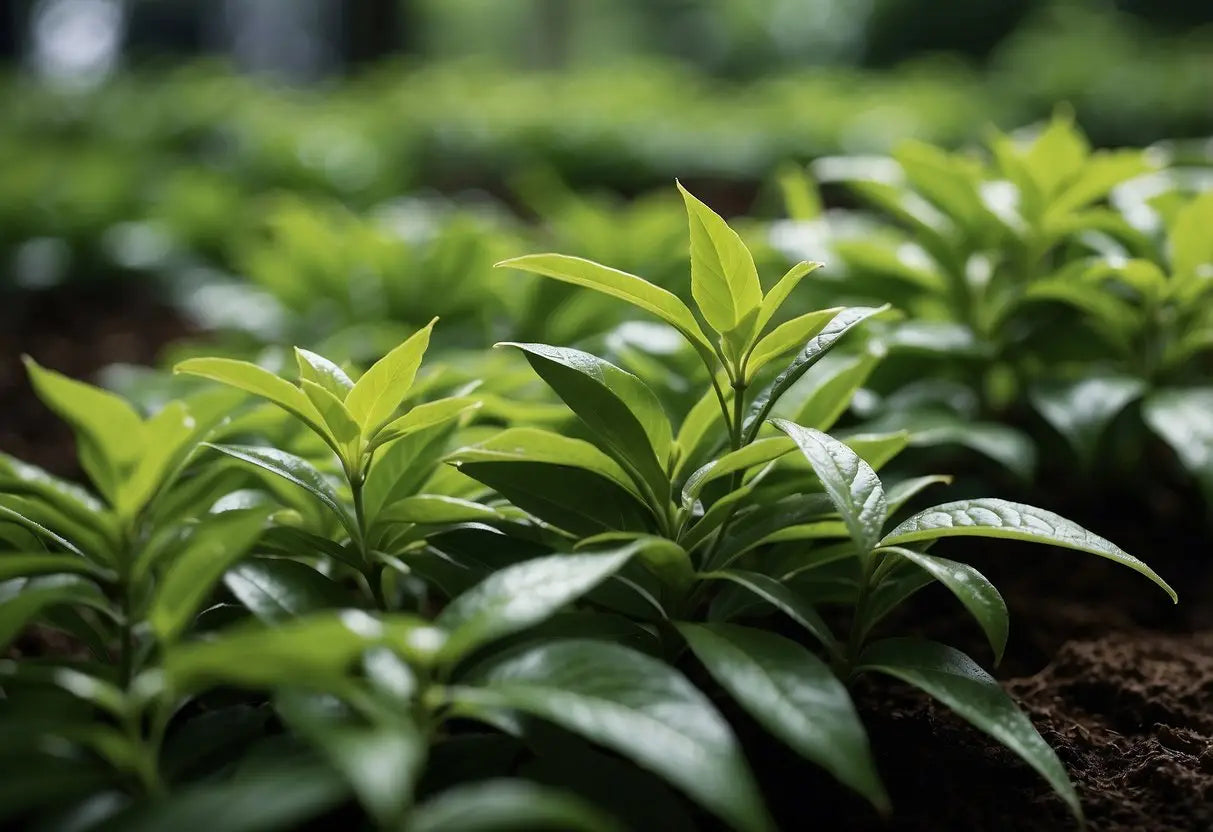
Matcha's journey begins in ancient China but finds its true home and cultural prominence in Japan. Through centuries, it has evolved from ceremonial uses to a global café favorite.
Matcha originated during the Tang Dynasty in China (618-907 AD), where it was first consumed as a powdered tea. It was introduced to Japan around the 12th century by the monk Eisai, who brought back the seeds and the tea-drinking method. In Japan, matcha was initially used primarily by the Samurai and monks. It became an integral part of the Japanese tea ceremony during the 15th century, symbolizing peace and mindfulness.
Over centuries, matcha has woven itself into the fabric of Japanese culture. The Japanese tea ceremony, or "chanoyu", is where matcha holds significant importance, reflecting Zen Buddhist principles of simplicity and mindfulness. Matcha's deep green color and rich flavor are appreciated not just in tea ceremonies but also in culinary uses such as sweets, noodles, and even modern lattes. Celebrated during traditional festivals and rituals, matcha symbolizes harmony, respect, purity, and tranquility.
Matcha leaves are cultivated using specific techniques to ensure a high-quality product. The processing methods are just as critical to preserve the unique properties of matcha.
Shade-growing is essential. Matcha plants are shaded for three to four weeks before harvesting. This increases chlorophyll levels and enhances amino acids, particularly L-theanine, contributing to matcha's unique flavor.
Fertilization occurs regularly, using organic matter like compost. This ensures that the soil remains nutrient-rich.
Harvesting:
These practices ensure that the leaves are tender and full of flavor.
The first step is steaming the leaves quickly after harvest to prevent oxidation. This maintains the vibrant green color and fresh flavor.
Next, they are air-dried and the stems and veins are removed. The result is known as tencha.
Tencha leaves are then ground into a fine powder using traditional stone mills. This process can take an hour to produce just 30 grams of matcha.
Proper storage in airtight containers is crucial to protect the matcha from moisture and light, maintaining its freshness and quality.
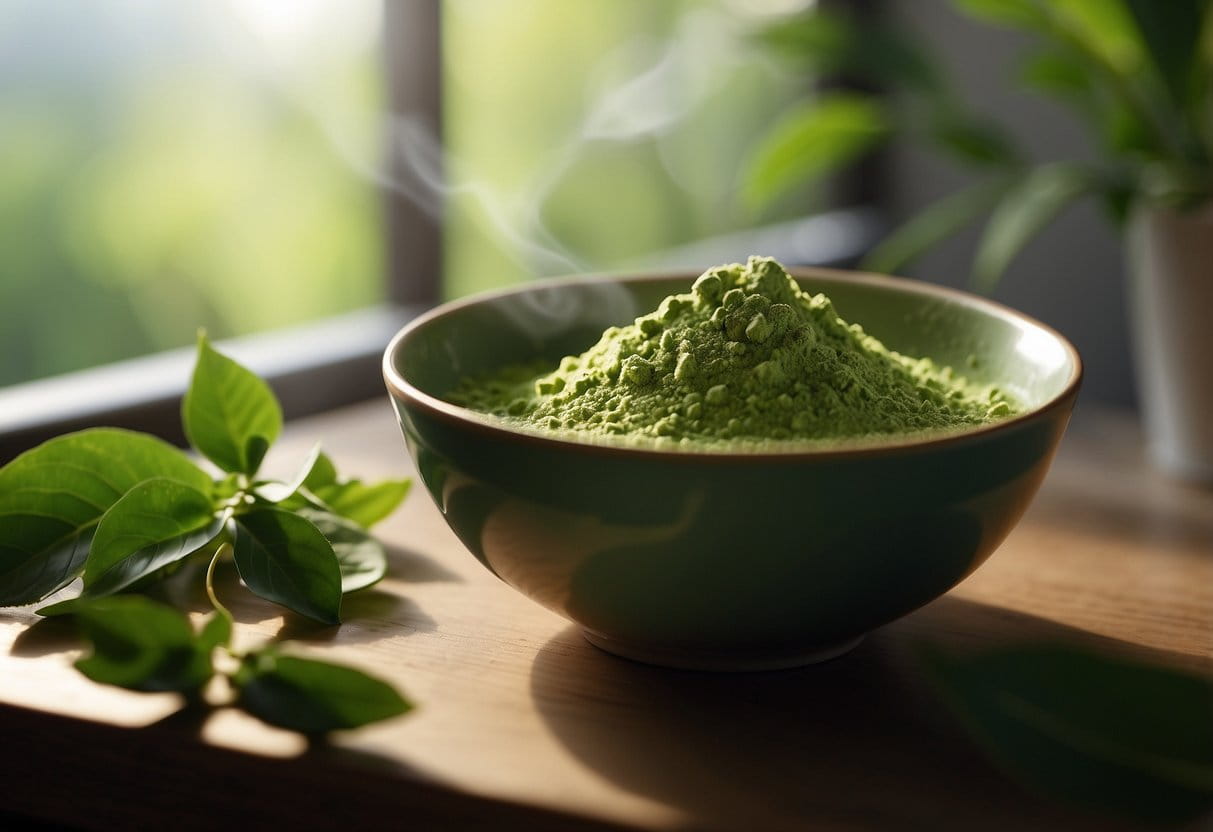
Matcha leaves are loved for their vivid color, rich umami flavor and the ritual of whisking a bowl by hand.
Good matcha tastes sweet, grassy and savory, with a creamy texture when it is whisked well. The shading period raises chlorophyll and amino acids such as L-theanine, which give matcha its deep green color and its umami taste.
Higher grades are smoother and sweeter, with very little bitterness. Lower grades are more robust and slightly bitter, which is why they are usually saved for lattes and baking.
Matcha contains caffeine, so many people drink it in the morning in place of coffee. If you're sensitive to caffeine, use a little less powder, drink it earlier in the day, or choose a caffeine-free herbal infusion in the evening.
For many people the appeal is as much the ritual as the drink: sifting the powder, whisking it to a fine froth and taking a few quiet minutes over a warm bowl, in the spirit of the Japanese tea ceremony.
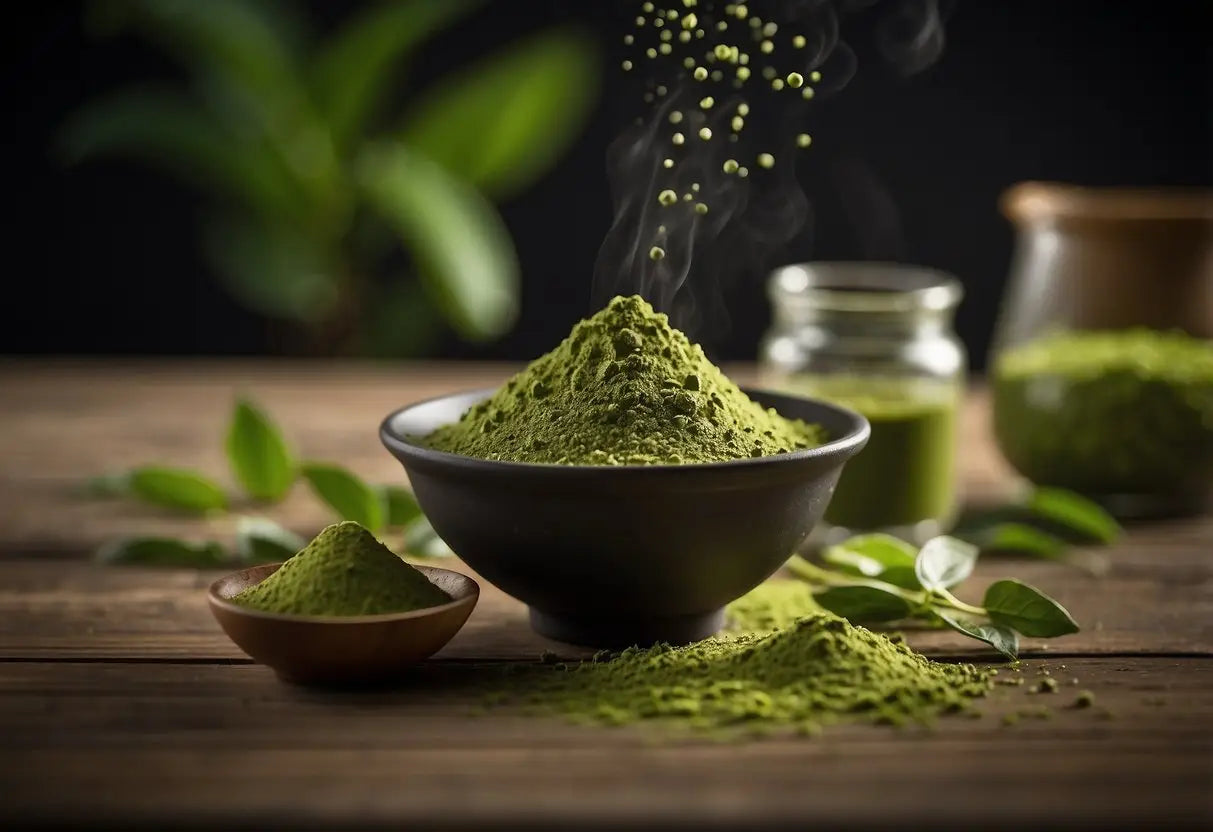
Matcha leaves are notably versatile in the culinary world. They can be enjoyed as a traditional beverage or incorporated into various recipes for cooking and baking.
For a traditional tea experience, matcha leaves are finely ground into a bright green powder. You will need a bamboo whisk and a bowl for the preparation.
Start by sifting 1-2 teaspoons of matcha powder into the bowl to prevent clumping. Add a small amount of hot water (about 2 ounces at 175°F) and whisk in a "W" motion until frothy.
Serve immediately in a small cup. For a more concentrated beverage, increase the amount of matcha powder. You can also add milk to create matcha lattes.
Matcha leaves add a unique flavor and vibrant color to recipes. Use them to make desserts such as matcha cookies, cakes, and ice cream.
Sift matcha powder with dry ingredients to ensure even distribution. Common ratios are 1-2 tablespoons of matcha powder per cup of flour.
Beyond sweets, matcha can be used in savory dishes. Add matcha to sauces, dressings, or even pasta dough for a delightful twist. Ensure to adjust the quantity to balance the bitterness of matcha with other flavors in your dish.
Matcha is often categorized by its quality and grades, which directly influence its taste, color, and use.
When selecting matcha, consider these grades to find the right match for your needs.
Higher-quality matcha will typically be brighter in color and smoother in taste.
Lower grades, while still flavorful, may have more bitterness and a less vibrant hue.
In recent years, the demand for matcha has seen a significant rise across the globe. This increase is driven by growing interest in Japanese food and café culture.
The United States, Europe, and Asia are the primary markets. In the US, matcha's popularity is soaring thanks to its inclusion in beverages, desserts, and snacks.
The market can be categorized into:
Consumers are increasingly seeking high-quality, ceremonial-grade matcha for both traditional tea preparation and modern culinary applications.
You're likely to see:
| Region | Growth Rate (%) | Market Size (2023) |
|---|---|---|
| North America | 12.5 | $120 million |
| Europe | 10.3 | $85 million |
| Asia-Pacific | 15.2 | $210 million |
The data above highlights robust growth in the Asia-Pacific region, indicating a significant market opportunity.
This article is general information about tea, not medical advice. If you're pregnant, breastfeeding, taking medication or managing a health condition, please talk to your doctor before changing what you drink.

The 95 tasting terms in the Pu'er Tea Association's 2026 quality standard, in English and Chinese — aroma, liquor color and taste, plus how the standard scores a pu'er.

Shop our premium Pu Erh tea collection—available in both ripe and raw varieties! Pu Erh tea stands as one of...

Shop our premium Pu Erh tea collection—available in both ripe and raw varieties! Pu-erh tea, a beloved fermented variety from...

Shop our Pu Erh tea collection, available in both ripe and raw varieties! Pu erh tea, with its rich history...

Shop our premium Pu Erh tea collection—available in both ripe and raw varieties! In the misty mountains of Yunnan Province,...

Shop our pu-erh tea collection, available in both ripe and raw varieties. In Yunnan, pu-erh has long been drunk after...