


Buy your weekday smoothies and get your weekend ones for free. (7 for the price of 5!)
WELLNESSWEEK


Cardamom tea is a traditional beverage known for its distinctive, fragrant flavor. It’s made by brewing cardamom pods or ground cardamom seeds, often combined with other spices like ginger or cinnamon.
Cardamom tea has a warm, spicy, and slightly sweet flavor. The aroma is aromatic with hints of citrus and floral undertones.
You can enjoy cardamom tea either plain or with a touch of honey or milk. It pairs well with light snacks and desserts, enhancing their flavors.
Experiment with various recipes to find your preferred blend. Some popular variations include adding black tea for a stronger taste or incorporating honey for a natural sweetness.
Cardamom tea has deep roots in ancient cultures. In India, it has been cherished for centuries and is a fixture of home kitchens, from masala chai to sweets.
In the Middle East, cardamom tea symbolizes hospitality and is often offered to guests. It plays a role in social rituals, reflecting the region's rich history.
In Scandinavia, cardamom arrived through trade routes and became popular in both beverages and baked goods. Its use reflects the blend of exotic spices in European traditions.
Ancient texts and traditional recipes consistently highlight the importance of cardamom, emphasizing its long-standing cultural impact.
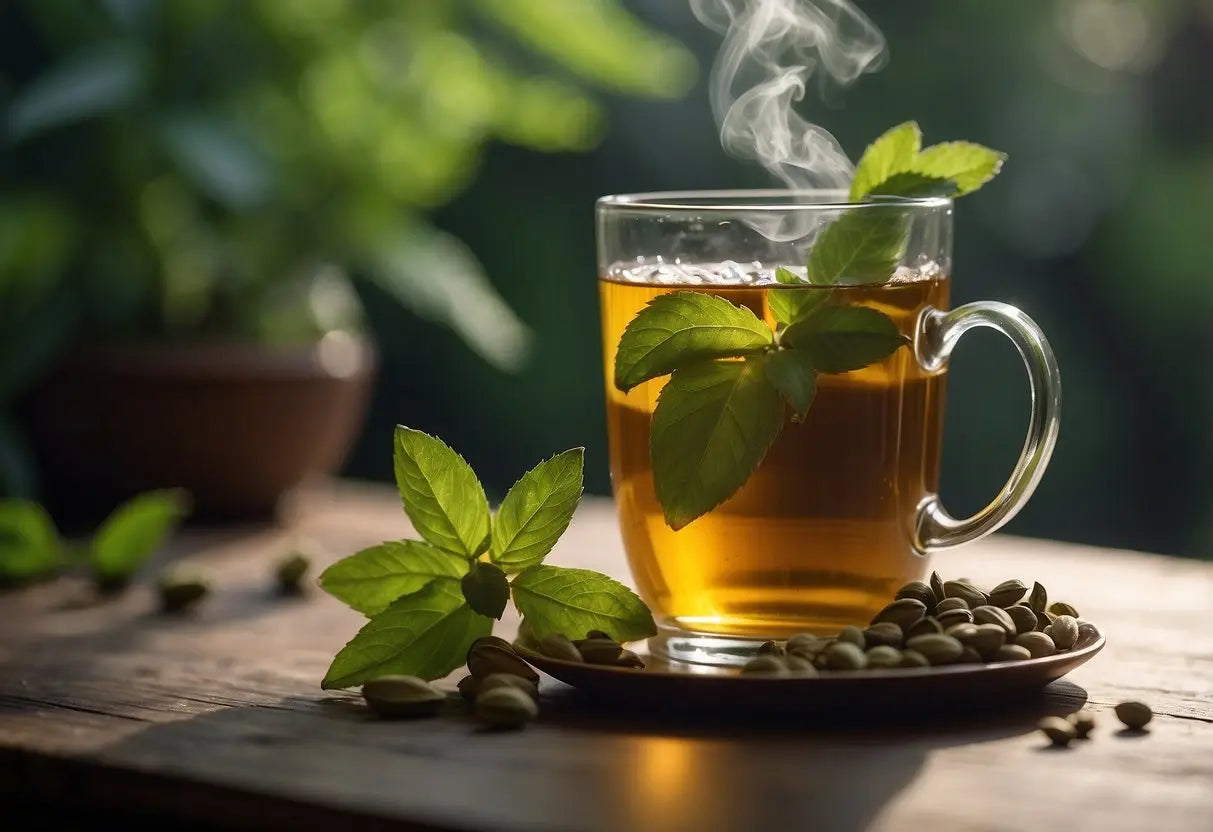
Cardamom tea is loved for its aroma as much as its taste. Here is how people tend to enjoy it, and what is actually in the cup.
In India and the Middle East, a small cup of cardamom tea or cardamom coffee is a common way to finish a meal. Its fresh, slightly minty aroma makes a clean, pleasant end to rich or spicy food.
Many families also offer whole cardamom pods to chew after eating, simply for their fragrance.
A steaming mug of cardamom tea with milk is a comforting drink when the weather turns cold, and breathing in the fragrant steam is part of the pleasure.
If you have a cough, a cold or other symptoms, see a doctor or pharmacist. A warm cup of tea is a comfort, not a treatment.
Cardamom works well with cinnamon, ginger, clove and black pepper, the classic masala chai combination. Each spice adds its own warmth, while cardamom keeps the blend bright and aromatic.
For a deeper, earthier spiced cup, try a ripe pu-erh base instead of black tea.
Cardamom's aroma comes from its essential oils, mainly 1,8-cineole (also called eucalyptol) and alpha-terpinyl acetate. These compounds give the fresh, camphor-like and floral notes you notice in the cup.
Cardamom brewed on its own, without tea leaves, is caffeine-free. If you add black tea or pu-erh, the cup will contain caffeine.
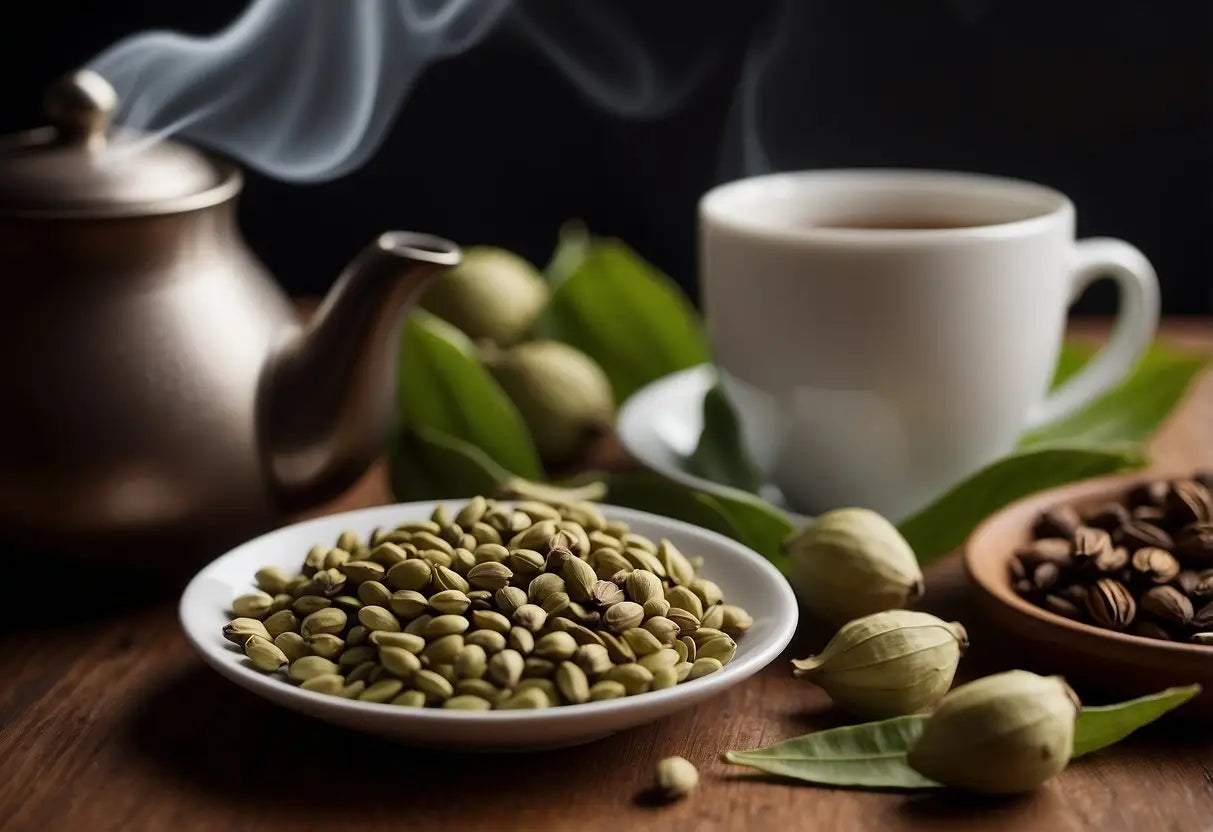
Cardamom tea requires specific ingredients and preparation methods to achieve its characteristic flavor. Understanding the types of cardamom used, various brewing methods, and possible additional spices can enhance your tea experience.
Cardamom comes in two main varieties: green cardamom and black cardamom.
Green cardamom is more common and offers a sweet, floral flavor. It’s typically used in beverages and desserts. On the other hand, black cardamom has a smoky, earthy taste, often preferred in savory dishes.
Each type affects the overall taste profile of your tea. Choose green cardamom for a more traditional, fragrant brew. Use black cardamom if you seek a more robust, deeper flavor.
Brewing cardamom tea can be done in several ways:
Stovetop Method: Crush 2-3 cardamom pods and add to boiling water. Allow it to simmer for 5-10 minutes. Add tea leaves or bags and steep for another 3-5 minutes. Strain and serve.
Quick Brew: Use ground cardamom or cardamom powder. Add 1/2 teaspoon directly to your tea infuser with tea leaves. Pour boiling water over and steep for 3-5 minutes. Strain and enjoy.
Traditional Brewing: In a teapot, combine crushed cardamom pods with tea and boiling water. Let it steep for 4-6 minutes. Strain before serving.
To enhance your cardamom tea, consider adding spices such as cinnamon, ginger, cloves, or fennel seeds. These spices create a more complex flavor profile.
You can also vary the base tea used:
Sweeteners like honey, sugar, or agave syrup can be added for sweetness. Milk or cream can also be incorporated to create a richer, smoother texture.
Experiment with proportions to find the balance that suits your taste preferences.
Cardamom tea is not just for drinking; it can enhance various dishes.
By incorporating cardamom tea into your culinary endeavors, you'll find an array of exciting flavors and aromas that can elevate your cooking to new heights.
Cardamom tea has deep roots in various cultures, especially in South Asia and the Middle East. You might find it served in homes, during festivals, and even in local tea shops.
In India, cardamom tea, or " elaichi chai," is a popular beverage enjoyed with snacks. You might prepare it by boiling tea leaves, milk, sugar, and crushed cardamom pods.
In Arab countries, cardamom tea is often served as a gesture of hospitality. When you visit someone’s home, expect to be offered a cup as a symbol of welcome.
The Scandinavian countries also cherish cardamom in their beverages. You may come across " cardamom-infused black tea," a staple in many Nordic homes.
Enjoyment: Remember, cardamom tea is not just a drink, but a cultural experience connecting you to various traditions around the globe.
To enjoy the best cardamom tea, it's important to choose quality cardamom and store it properly to maintain its flavor and aroma.
When selecting cardamom, opt for whole pods rather than ground cardamom. Whole pods retain flavor longer. The pods should be green and plump. Avoid pods that are pale, shriveled, or have visible signs of mold. If possible, buy from reputable sources known for fresh and high-quality spices.
Pay attention to the scent. Cardamom should have a strong, sweet, and slightly spicy aroma. If the scent is weak or musty, the cardamom is likely old and less potent. Additionally, buy from sellers who can tell you where and when the spice was harvested.
Proper storage ensures that your cardamom retains its flavor and aroma. Keep the pods in an airtight container and store them in a cool, dark place. Exposure to light, heat, and air can cause the spice to lose its potency.
If you have ground cardamom, it's even more crucial to store it properly. Ground cardamom loses its flavor faster than whole pods. Always use a clean, dry spoon to avoid introducing moisture. For longer shelf life, some prefer storing cardamom in the freezer, though this is not necessary if you use the spice regularly.
Cardamom tea is generally safe for most people; however, you may experience some side effects.
Some individuals might be allergic to cardamom. Symptoms can include:
If you notice these symptoms, seek medical attention immediately.
Excessive consumption of cardamom tea may lead to:
Moderate intake is recommended to avoid these problems.
Cardamom can interact with certain medications. Consult your healthcare provider if you are taking:
If you are pregnant or breastfeeding, it's best to limit cardamom tea intake. Excessive amounts might not be safe and could affect your health and the baby's development.
If you have low or high blood pressure, or take medication for it, ask your doctor before drinking large amounts of any spice tea.
Chewing cardamom seeds after a meal is a long-standing custom, mostly for their fragrance. Like other teas, cardamom tea made with black tea leaves may stain your teeth over time.
As with any strong spice, very large amounts of cardamom may not agree with you. A few pods per cup is plenty for flavor.
| Consideration | Note |
|---|---|
| Allergies | Possible rashes, swelling, or breathing issues |
| Gastrointestinal issues | Stomach pain, nausea, diarrhea |
| Drug interactions | Warfarin, antidepressants, gallstone medications |
| Pregnancy/Breastfeeding | Limited intake recommended |
| Blood pressure | Ask your doctor if you take blood pressure medication |
| Dental health | Potential teeth staining |
| Very large amounts | A few pods per cup is plenty |
This article is general information about tea, not medical advice. If you're pregnant, breastfeeding, taking medication or managing a health condition, please talk to your doctor before changing what you drink.

The 95 tasting terms in the Pu'er Tea Association's 2026 quality standard, in English and Chinese — aroma, liquor color and taste, plus how the standard scores a pu'er.

Shop our premium Pu Erh tea collection—available in both ripe and raw varieties! Pu Erh tea stands as one of...

Shop our premium Pu Erh tea collection—available in both ripe and raw varieties! Pu-erh tea, a beloved fermented variety from...

Shop our Pu Erh tea collection, available in both ripe and raw varieties! Pu erh tea, with its rich history...

Shop our premium Pu Erh tea collection—available in both ripe and raw varieties! In the misty mountains of Yunnan Province,...

Shop our pu-erh tea collection, available in both ripe and raw varieties. In Yunnan, pu-erh has long been drunk after...