




Buy your weekday smoothies and get your weekend ones for free. (7 for the price of 5!)
WELLNESSWEEK
Taste a few styles before you commit to a full cake.
Reliable cakes to brew at home, morning to evening.
Old-arbor single-origin cakes and aged pu-erh to drink or keep.
The house blends and annual releases Chen Sheng Hao is known for.


陈升号 · Newsletter
Join our newsletter and we'll send you four short letters, a few days apart:
After that, you'll be the first to hear about new teas and limited releases.
陈升号 · Newsletter
Your first letter, the story behind our tea, is on its way. If it isn't in your inbox in a few minutes, please check your Promotions or Spam folder.

Pumpkin chai tea blends the rich flavors of pumpkin with the warm, spicy notes of chai. It offers a comforting, flavorful drink that is just right for cozy moments.
This tea combines the traditional spices of chai with the seasonal flavors of pumpkin. Pumpkin chai gained popularity in the United States, particularly during the fall season. The drink was inspired by the famous pumpkin spice latte, aiming to capture the same essence but in tea form. Many tea enthusiasts appreciate it for its unique taste and the warmth provided by spices like cinnamon, ginger, and cloves.
Chai tea, originally from India, consists of black tea blended with spices and sometimes sweeteners. Traditional chai includes a mix of cardamom, cinnamon, cloves, ginger, and black pepper. These spices give chai its distinctive warm and spicy profile. You often prepare it with milk, creating a creamy, sweet beverage. Pumpkin chai tea adds pumpkin flavor to this mix, creating a fusion that appeals to many tea lovers.
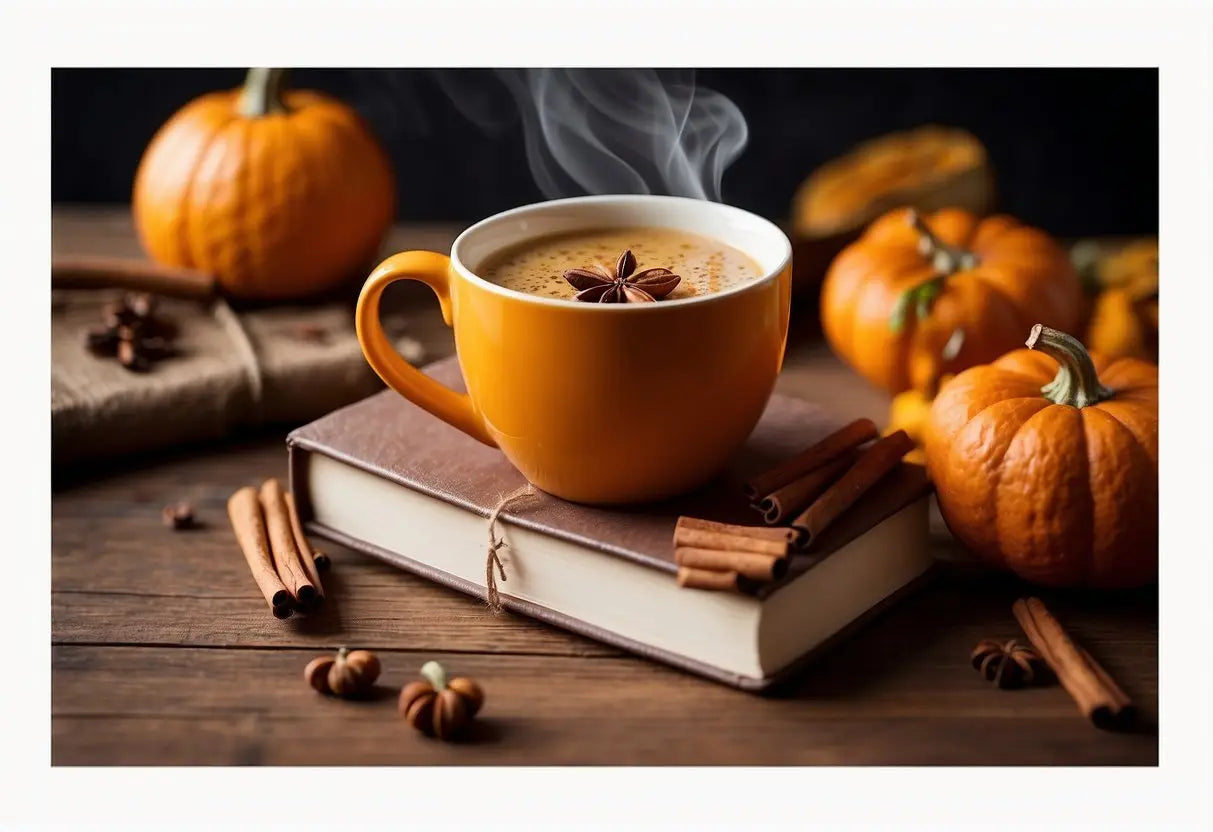
Pumpkin chai is a treat for the senses rather than a health drink. Here is what is actually in your mug and a few things worth knowing before you brew.
Most pumpkin chai is built on black tea, so it contains caffeine. If you enjoy it in the afternoon or evening and are sensitive to caffeine, use a decaf black tea or a caffeine-free rooibos base instead. The spices and pumpkin themselves add no caffeine.
Pumpkin also brings beta-carotene, the natural pigment behind its orange color, and chai spices such as cinnamon, cloves and ginger contain aromatic compounds that give the drink its warmth and fragrance.
Café versions of pumpkin chai are often very sweet. Making it at home lets you decide how much honey, maple syrup or sugar goes in, and whether you use whole milk, oat milk or almond milk.
Taste the tea after adding the pumpkin and spices before you sweeten it. Pumpkin and vanilla already add a natural roundness, so many people find they need less sweetener than they expect.
Ginger, cinnamon, cloves and black pepper are strong spices. Start with small amounts if you are new to spiced teas, and increase them to taste. Let the tea cool slightly before drinking, as scalding-hot drinks are best avoided.
If you are pregnant, breastfeeding, taking medication or managing a health condition, check with your doctor before drinking large amounts of strongly spiced teas.
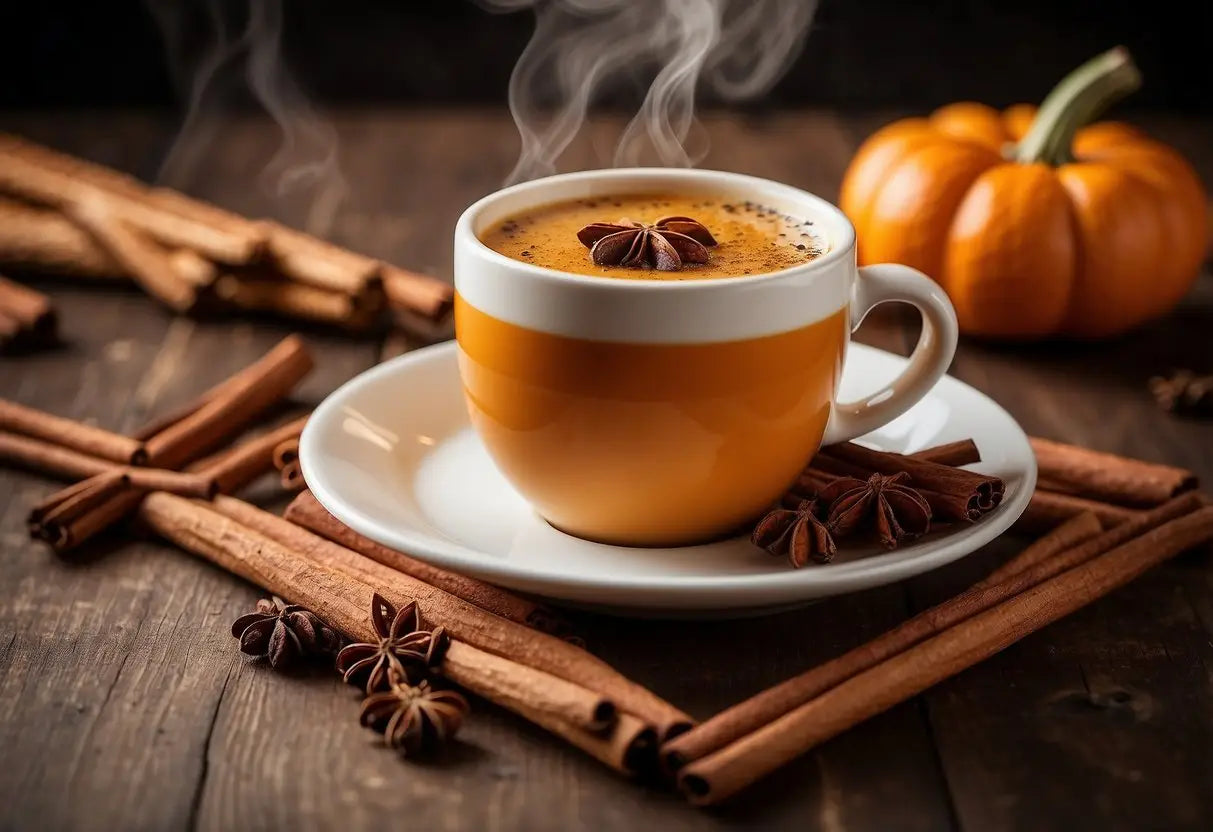
To create a delightful pumpkin chai tea, you need a mix of specific, high-quality ingredients and clear instructions. This ensures the blend captures the right balance of spices and pumpkin flavor.
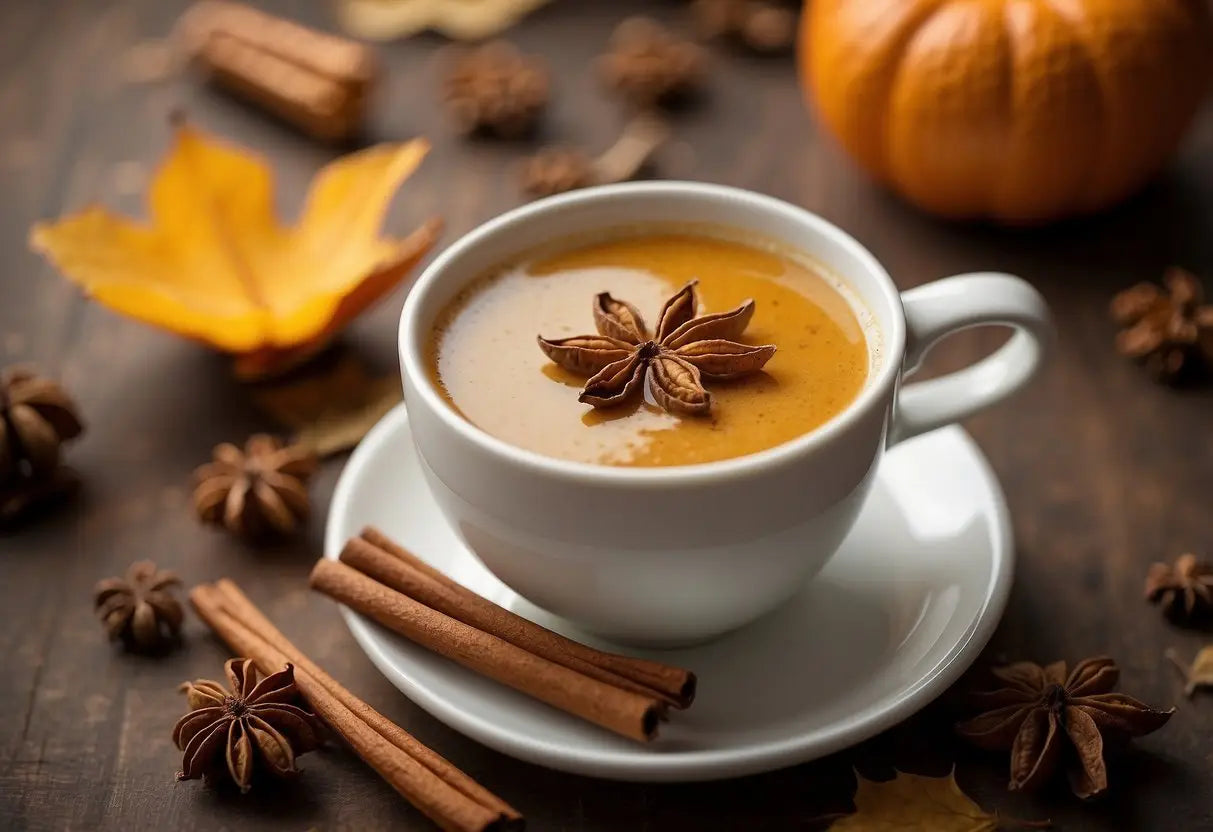
Pumpkin chai tea combines warm spices with the rich taste of pumpkin. You will notice an aromatic blend that typically includes cinnamon, nutmeg, and cloves.
The base flavor is earthy and slightly sweet, reflecting the natural essence of pumpkin.
Initial Sip: Expect a smooth introduction with a mild pumpkin taste.
Mid-Palate: Spices become more pronounced, creating a warm and inviting sensation.
Finish: A lasting, spicy note that leaves a subtle sweetness.
Pumpkin chai tea is usually well-balanced, ensuring no single flavor overpowers the others. This makes each cup satisfying and comforting for your palate.
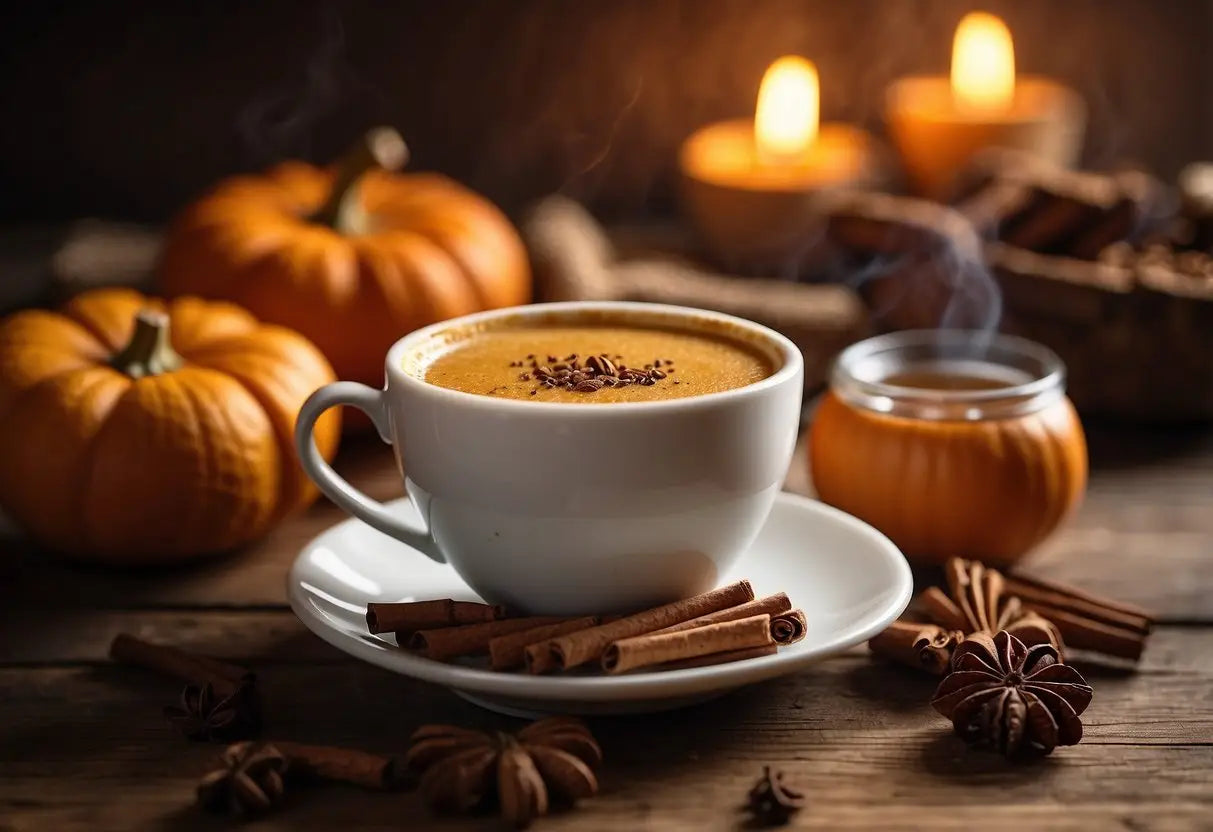
Pumpkin chai tea has gained popularity for its unique flavor profile that blends spices and pumpkin. You can easily find various commercial brands or try making it at home with a simple recipe.
Ready-made pumpkin chai blends offer convenience and consistency, and many tea companies release one each fall. When comparing them, look at the base tea, whether the blend uses real pumpkin pieces or flavoring, and how the spices are balanced.
Blends built on black tea are best for mornings, while decaf or rooibos-based versions suit those who prefer an evening beverage. Loose-leaf blends usually give a fuller flavor than finely cut tea bags.
Creating your own pumpkin chai at home allows for customization to match your taste preferences. Start with a base of strong black tea. Add spices like cinnamon, nutmeg, ginger, and allspice. Incorporate pumpkin puree or pumpkin pie spice for an authentic flavor. For a deeper, earthier twist, try a ripe pu-erh as the base; its mellow, woody notes work well with pumpkin and cinnamon.
You can also sweeten it with honey or maple syrup. Adjust the level of spices and sweetness to your liking. Homemade recipes let you control the ingredients and avoid artificial flavors, ensuring a natural and fresh pumpkin chai experience.
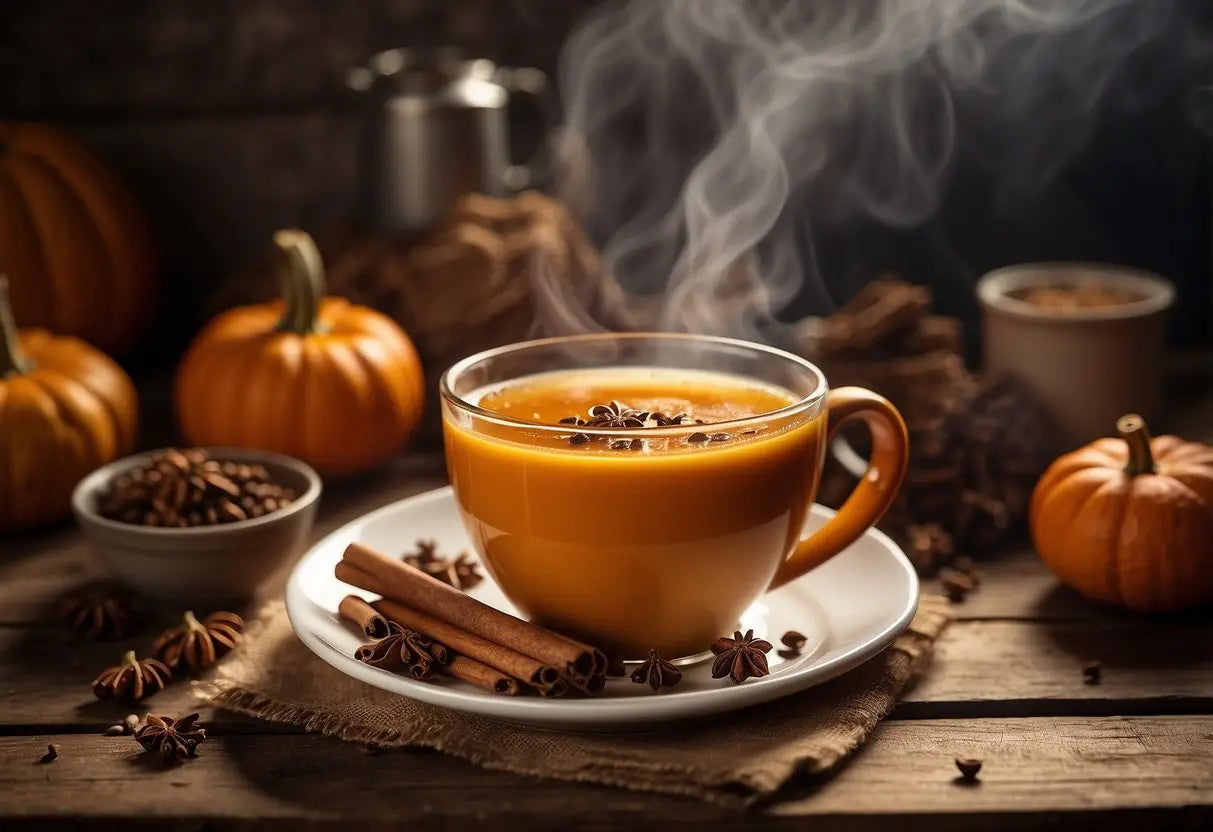
Pumpkin chai tea offers a versatile flavor profile that enhances a variety of culinary creations. From pairing it with complementary foods to using it in innovative cocktails and beverages, there are numerous ways to incorporate this unique tea.
When pairing pumpkin chai tea with food, aim to complement its spicy and earthy notes. Ideal options include spiced desserts like gingerbread cookies, pumpkin pie, or apple crisp. The tea's warm spices enhance the rich flavors of these sweets.
If you prefer savory dishes, consider serving it with spiced roasted nuts, savory pumpkin soup, or grain bowls with roasted squash and root vegetables. The tea's depth complements the earthy and robust flavors of these meals.
For breakfast, pair pumpkin chai tea with pumpkin spice pancakes, cinnamon rolls, or oatmeal with nuts and dried fruit. Its robust taste pairs well with these comforting morning favorites.
Pumpkin chai tea serves as a versatile base for inventive drinks. You can create a pumpkin chai latte by steaming milk with concentrated tea, adding a touch of sweetener, and finishing with whipped cream and cinnamon.
For a refreshing twist, brew the tea, chill it, and mix it with sparkling water and a splash of orange juice. This makes a delightful pumpkin chai spritzer.
In cocktails, use pumpkin chai tea to infuse spirits like vodka or bourbon. Consider creating a spiced pumpkin chai martini or a pumpkin chai hot toddy. The spices in the tea elevate the complexity of these drinks.
Pumpkin chai tea can also be incorporated into smoothies. Blend it with banana, Greek yogurt, and a touch of honey for a creamy and flavorful treat.
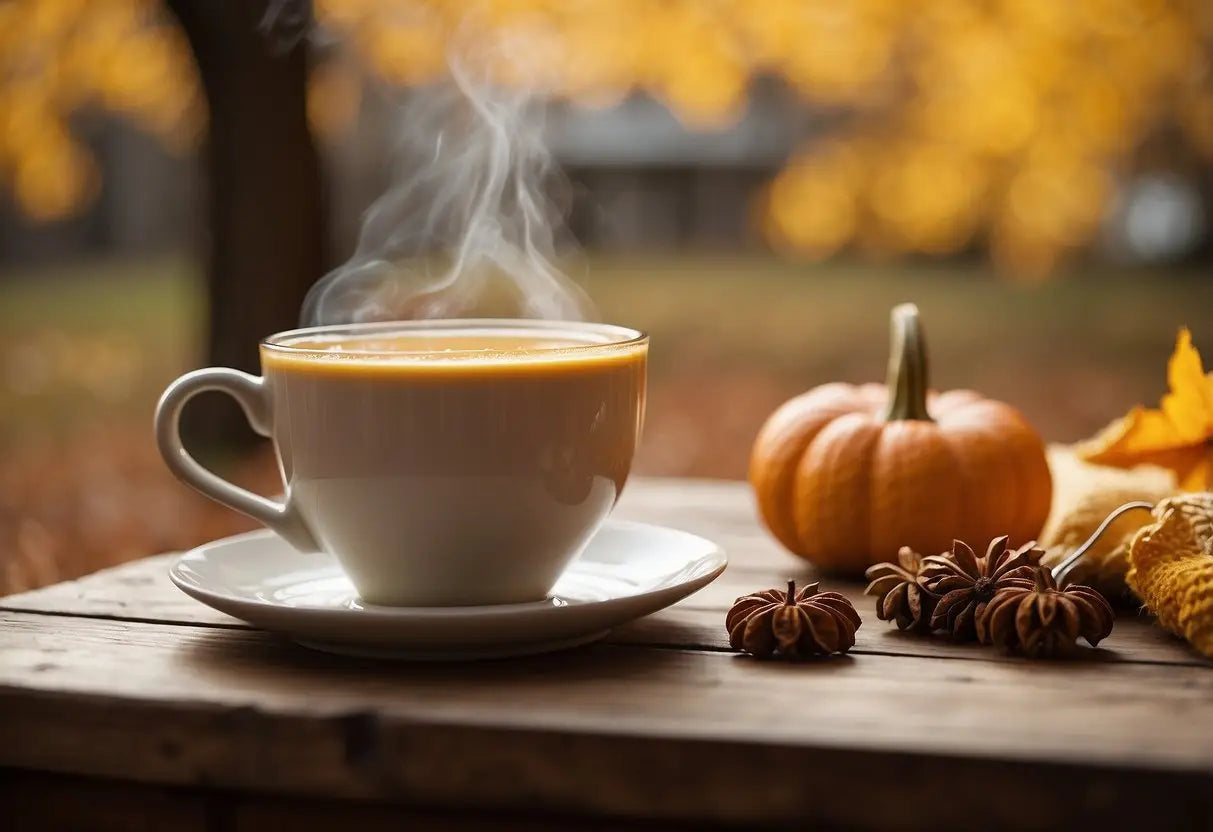
Pumpkin chai tea holds an important place in various tea rituals and becomes highly popular during certain seasons.
Pumpkin chai tea is often incorporated into traditional tea rituals, particularly in regions where spiced teas are a staple. It is common to serve this tea during intimate gatherings or festive occasions. The blend of pumpkin with chai spices offers a unique twist on conventional tea ceremonies.
In some cultures, the preparation and serving of pumpkin chai tea signify hospitality and care. The added spices like cinnamon, ginger, and cloves provide warmth, which is highly valued in social gatherings. This tea's aromatic properties also contribute to its ceremonial importance.
Pumpkin chai tea is not only prepared for personal enjoyment but also used in some culinary traditions. The tea can be used to flavor desserts and other dishes, extending its cultural reach beyond just a beverage.
Pumpkin chai tea experiences a surge in popularity during the autumn months. This seasonal preference is driven by the association of pumpkin flavors with fall festivities like Halloween and Thanksgiving. You are likely to find increased availability of pumpkin chai tea in cafes and stores during this time.
The warm, spiced elements of the tea make it a comforting choice as the weather turns colder. Social media also plays a role in its seasonal popularity, with influencers and brands frequently promoting pumpkin chai tea recipes.
Consumers often look forward to seasonal beverages as part of their fall traditions. The anticipation for pumpkin chai tea starts as early as September and continues through November, making it a limited-time offering that many eagerly await.
When buying pumpkin chai tea, prioritizing quality and proper storage methods is crucial. Focus on sourcing fresh ingredients and maintain optimal conditions to preserve the tea's flavor and aroma.
Look for whole leaf tea rather than tea bags as whole leaves generally offer a richer flavor. Pay attention to the tea blend ingredients. High-quality pumpkin chai tea should contain real pumpkin pieces or puree, aromatic spices like cinnamon, cloves, and nutmeg, and a base of robust black tea.
Check the packaging date and the origin of the tea leaves. Freshly packaged tea retains more flavor. Sourcings from reputable tea-growing regions, like India or Sri Lanka, can often ensure better quality. Avoid artificial flavors and choose blends with a short, recognizable ingredient list for a more authentic taste experience.
Proper storage is essential to keep the tea fresh and flavorful. Use an airtight container to protect the tea from air, moisture, and light, which can degrade its quality. Glass jars with rubber seals or metal tins with tight lids are ideal choices.
Store your tea in a cool, dry place away from direct sunlight. Temperature fluctuations can affect the tea's quality, so keep it in a stable environment. Avoid storing tea near strong odors, as tea leaves can absorb these smells, impacting the pumpkin chai's delicate aroma and taste.
By following these guidelines, you can ensure a delightful and aromatic cup of pumpkin chai tea every time.
This article is general information about tea, not medical advice. If you're pregnant, breastfeeding, taking medication or managing a health condition, please talk to your doctor before changing what you drink.

Every tea page at cspuerh.com now has tasting reviews. Score a tea on the five factors from the Pu'er Tea Association's 2026 standard, get a weighted score out of 100, and describe it with 95 defined tasting words. Simple mode takes about three minutes.

The 95 tasting terms in the Pu'er Tea Association's 2026 quality standard, in English and Chinese — aroma, liquor color and taste, plus how the standard scores a pu'er.

What really drives pu-erh prices, from mountain fame and old-arbor leaf to processing and years of storage, and how to find good value without overpaying.

Shop our premium Pu Erh tea collection—available in both ripe and raw varieties! Pu-erh tea, a beloved fermented variety from...

Shop our Pu Erh tea collection, available in both ripe and raw varieties! Pu erh tea, with its rich history...

Shop our premium Pu Erh tea collection—available in both ripe and raw varieties! In the misty mountains of Yunnan Province,...