




Buy your weekday smoothies and get your weekend ones for free. (7 for the price of 5!)
WELLNESSWEEK
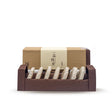
Taste a few styles before you commit to a full cake.
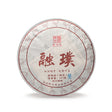
Reliable cakes to brew at home, morning to evening.
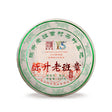
Old-arbor single-origin cakes and aged pu-erh to drink or keep.
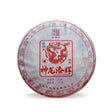
The house blends and annual releases Chen Sheng Hao is known for.


陈升号 · Newsletter
Join our newsletter and we'll send you four short letters, a few days apart:
After that, you'll be the first to hear about new teas and limited releases.
陈升号 · Newsletter
Your first letter, the story behind our tea, is on its way. If it isn't in your inbox in a few minutes, please check your Promotions or Spam folder.

Shop our Pu Erh Tea collections!
Pu-erh tea is a unique type of fermented tea that originates from Yunnan province in China. It stands out due to its fermentation and aging process.
There are two main types: Raw (Sheng) Pu-erh and Ripe (Shou) Pu-erh. Raw Pu-erh undergoes natural aging, while Ripe Pu-erh is fermented with a more controlled process.
Both types develop a rich, deep flavor profile over time.
Pu-erh is typically pressed into cakes, bricks, or loose-leaf forms. This tea is often aged for years, enhancing its taste and value.
Common aromas include earthy, woody, and sometimes sweet notes.
Discover our best-selling raw Pu Erh tea and elevate your tea experience today!
What You'll Notice:
Brewing Recommendations:
Pu-erh can be brewed multiple times, with each steep revealing new flavors.
Enjoying Pu-erh tea is often seen as a journey due to its evolving taste and complexity.
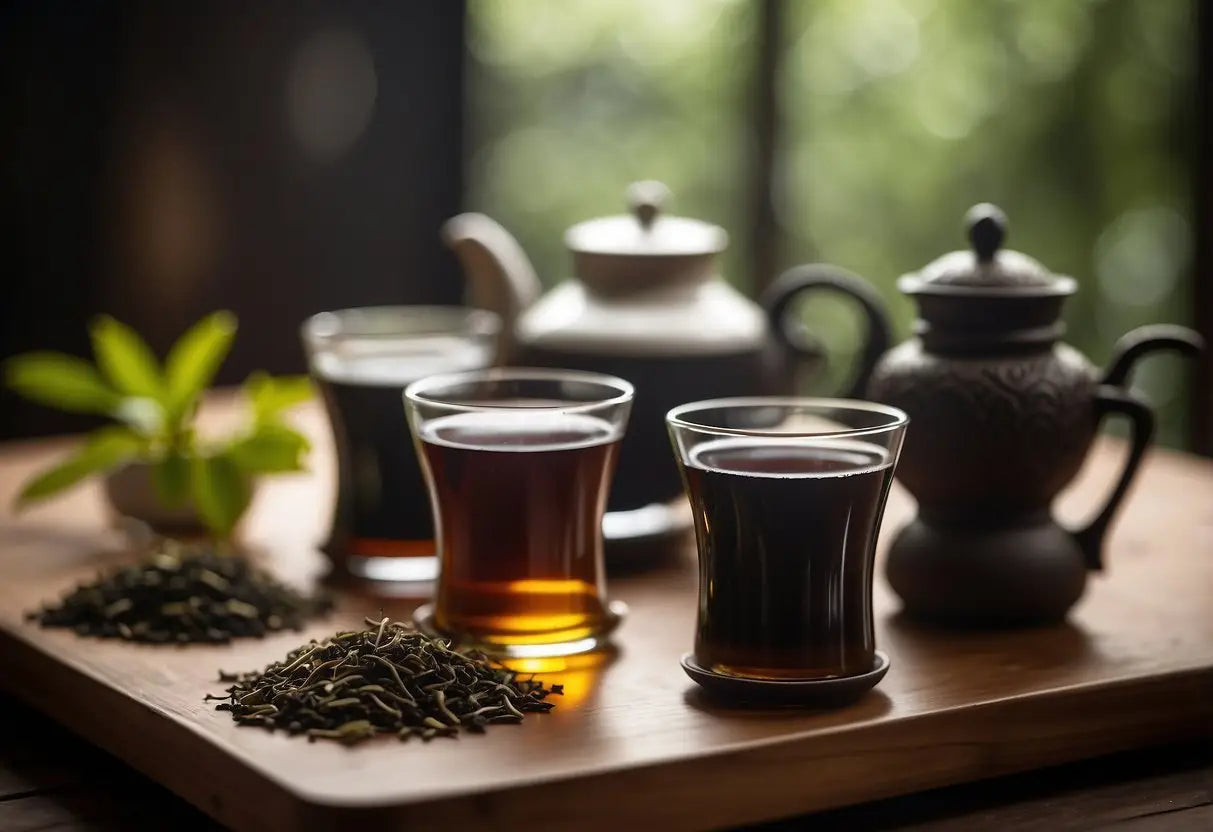
Black tea is a fully oxidized tea, giving it a dark color and rich flavor. It is one of the most popular types of tea worldwide.
Key characteristics of black tea include:
Several varieties of black tea are popular:
Black tea is known for its bold, brisk character:
To get the best flavor from black tea, consider these tips:
Enjoy black tea plain or with milk and sugar, based on your preference.
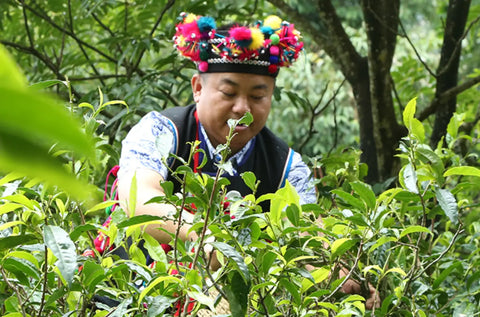
Pu-erh tea and black tea both have rich histories and hold special places in various cultures. They developed in different regions and have unique cultural impacts on those societies.
Pu-erh tea originates from Yunnan province in China, boasting a history of over 1,700 years. It was historically a prized tribute tea during the Han Dynasty (206 BCE – 220 CE). By the Tang Dynasty (618-907 CE), it became an essential element in the trade along the ancient Tea Horse Road.
The cultivation of Pu-erh involves traditional methods that have been passed down through generations. These methods include sun-drying and fermenting, which contribute to the tea's unique qualities. The town of Pu'er, from which the tea gets its name, has been the central hub of Pu-erh tea production for centuries.
Black tea traces its roots back to the late Ming Dynasty (1368–1644) in China. The first black tea, known as Lapsang Souchong, was produced in the Wuyi Mountains of Fujian province. The tea gained popularity when Chinese traders introduced it to European markets, leading to a burgeoning demand in the West.
The British played a crucial role in the spread of black tea. In the 19th century, they began large-scale cultivation in Assam and Darjeeling, India, and later in Sri Lanka (then Ceylon). These regions are now world-renowned for their high-quality black teas.
Pu-erh tea is deeply embedded in Chinese culture, particularly in Yunnan province. It is often consumed during traditional ceremonies and special occasions. In Yunnan and Guangdong it is a classic companion to rich, meaty meals and dim sum, which has helped make it a daily staple.
Aged Pu-erh is considered a valuable collectible. Connoisseurs often compare high-quality Pu-erh to fine wines, recognizing the complexity and depth of its flavor profile. The cultural rituals surrounding its preparation and consumption enhance its significance.
Black tea holds a prominent place in many cultures worldwide. In China, it's traditionally served during ceremonies and gatherings. In the UK, afternoon tea is a staple, reflecting centuries of cultural integration stemming from the colonial era.
In India, chai — a spiced tea blend made with black tea — is integral to daily life, symbolizing hospitality and warmth. Black tea also plays a significant role in Turkey, Russia, and Japan, each with unique preparation methods and customs.

Pu-erh and black tea undergo distinct processing techniques that shape their unique characteristics. Understanding these methods is essential for appreciating their flavors, caffeine, and culinary uses.
Pu-erh tea undergoes fermentation and aging, resulting in rich, earthy flavors. Sheng (raw) Pu-erh develops a complex, vegetal taste with age, while Shou (ripe) Pu-erh has a smoother, darker profile.
Black tea, unlike Pu-erh, is fully oxidized. This oxidation imparts a robust, malty flavor. Varieties like Darjeeling offer delicate, floral notes, while Assam provides a stronger, maltier taste.
Ripe pu-erh is made by microbial fermentation (wo dui), a controlled piling process that gives it its dark color and mellow taste. Raw pu-erh changes slowly over years of storage.
Black tea contains polyphenols such as theaflavins and catechins, which contribute to its color and briskness. Both teas contain caffeine, so if you're sensitive to it, choose ripe pu-erh in small amounts or enjoy it earlier in the day.
Brewing Pu-erh requires rinsing the leaves to remove impurities. Use boiling water and steep for 2-5 minutes. For traditional preparation, consider using a gaiwan or Yixing teapot.
Black tea is best brewed with water just off the boil (around 200-212°F). Steep for 3-5 minutes. Adjust the steeping time based on personal preference. Western-style brewing and Eastern-style methods offer different experiences.
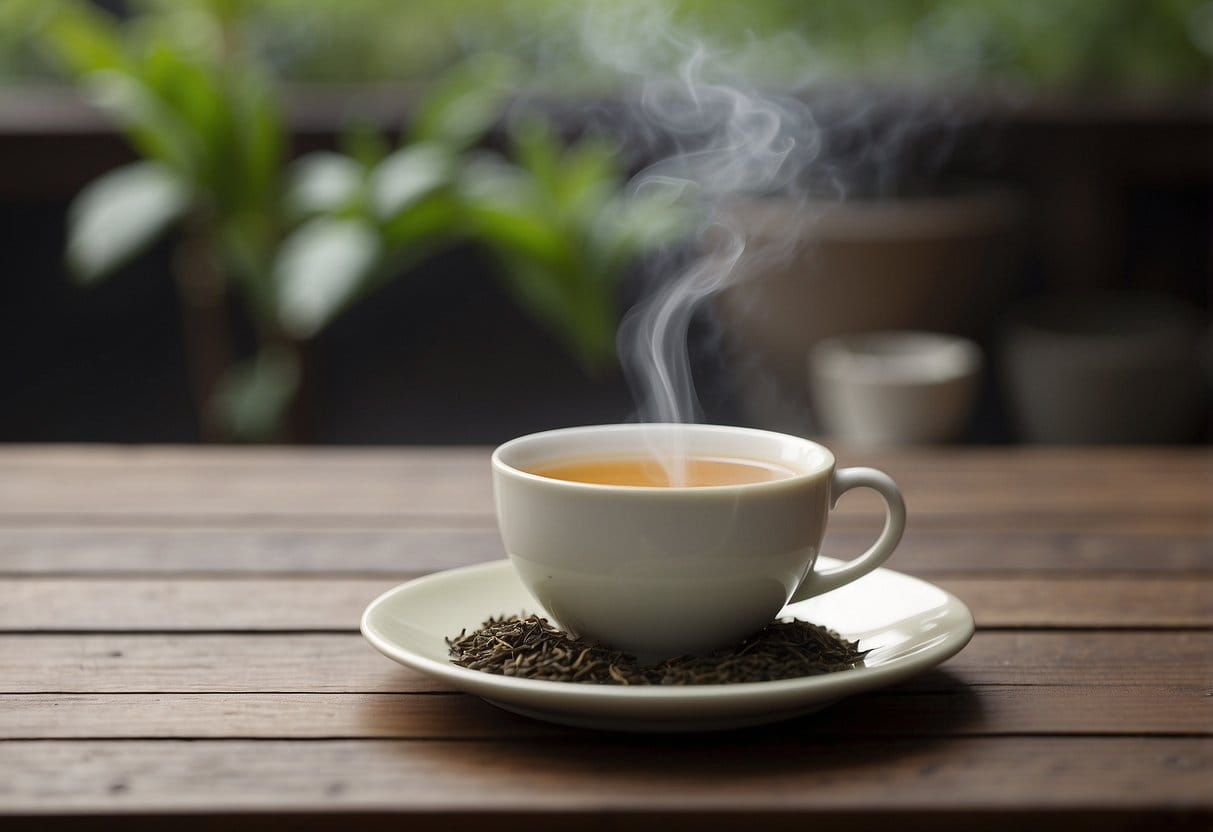
Pu-erh pairs well with rich, savory foods like mushrooms and dark chocolate due to its earthy tones. It can complement Chinese cuisine and is sometimes used in broths and marinades.
Black tea's versatility makes it suitable for both sweet and savory dishes. Pair it with pastries, fruits, cheeses, and even certain meats. Its robust flavor enhances sauces and desserts.
Pu-erh tea has two main types: Sheng (raw) and Shou (ripe). Each category has its own aging and fermentation process, contributing to different flavor profiles and aging potentials.
Black tea is classified by region and processing style. Assam and Darjeeling are notable Indian varieties, while Keemun and Lapsang Souchong represent distinct Chinese styles.
Proper storage is crucial for Pu-erh. Store it in a cool, dry place with adequate airflow. Avoid strong odors. Aging improves its flavor, making it more prized over time.
Black tea should be kept in airtight containers away from light, moisture, and strong odors. It doesn't improve with age like Pu-erh, so consume it within a year for optimal freshness.
Pu-erh tea is primarily produced in Yunnan Province, China. Its market value increases with age and rarity. Global demand is growing, especially among connoisseurs.
Black tea is produced in various countries including China, India, Sri Lanka, and Kenya. It dominates the global market, making up the majority of tea consumed worldwide. The trade involves a wide range of grades and qualities.
This article is general information about tea, not medical advice. If you're pregnant, breastfeeding, taking medication or managing a health condition, please talk to your doctor before changing what you drink.

Every tea page at cspuerh.com now has tasting reviews. Score a tea on the five factors from the Pu'er Tea Association's 2026 standard, get a weighted score out of 100, and describe it with 95 defined tasting words. Simple mode takes about three minutes.

The 95 tasting terms in the Pu'er Tea Association's 2026 quality standard, in English and Chinese — aroma, liquor color and taste, plus how the standard scores a pu'er.

What really drives pu-erh prices, from mountain fame and old-arbor leaf to processing and years of storage, and how to find good value without overpaying.

Shop our premium Pu Erh tea collection—available in both ripe and raw varieties! Pu-erh tea, a beloved fermented variety from...

Shop our Pu Erh tea collection, available in both ripe and raw varieties! Pu erh tea, with its rich history...

Shop our premium Pu Erh tea collection—available in both ripe and raw varieties! In the misty mountains of Yunnan Province,...