




Buy your weekday smoothies and get your weekend ones for free. (7 for the price of 5!)
WELLNESSWEEK
Taste a few styles before you commit to a full cake.
Reliable cakes to brew at home, morning to evening.
Old-arbor single-origin cakes and aged pu-erh to drink or keep.
The house blends and annual releases Chen Sheng Hao is known for.


陈升号 · Newsletter
Join our newsletter and we'll send you four short letters, a few days apart:
After that, you'll be the first to hear about new teas and limited releases.
陈升号 · Newsletter
Your first letter, the story behind our tea, is on its way. If it isn't in your inbox in a few minutes, please check your Promotions or Spam folder.

Sage tea is a simple herbal infusion made from the leaves of the Salvia officinalis plant, the same garden sage used in cooking. It's caffeine-free, savory and aromatic, and you can make it in minutes with fresh or dried leaves. Here's what to know before you brew.
Flavor:
Sage tea tastes earthy and slightly peppery, with hints of pine and eucalyptus and a soft bitterness at the finish.
Fresh vs. Dried:
Fresh leaves give a brighter, greener cup. Dried sage is more concentrated and a little more bitter, so use less.
Pairings:
Honey, lemon and mint all soften sage's savory edge. A small sprig also adds an herbal note to a pot of black tea or ripe pu-erh.
Note: Sage contains thujone, a compound that can be harmful in large amounts, so enjoy sage tea in moderation. If you're pregnant, breastfeeding, taking medication or managing a health condition, talk to your healthcare provider before drinking it regularly.
To brew a comforting cup of sage tea, you will need the following ingredients:
Fresh sage leaves: 4-6 leaves
Water: 1 cup (250 ml)
Sweetener (optional):
Lemon (optional):
When selecting your sage leaves, ensure they are clean and free of pesticides. If using dried sage, choose leaves that are still green and fragrant for the best flavor.
To begin, you will need to gather the fresh or dried sage leaves. If choosing fresh leaves, gently wash and pat dry them before use. If you are adding sweetener, have it at hand, but remember it’s best to add after brewing to avoid bitterness. Keep the lemon slice or lemon juice ready, should you wish to add a citrus note to your tea.
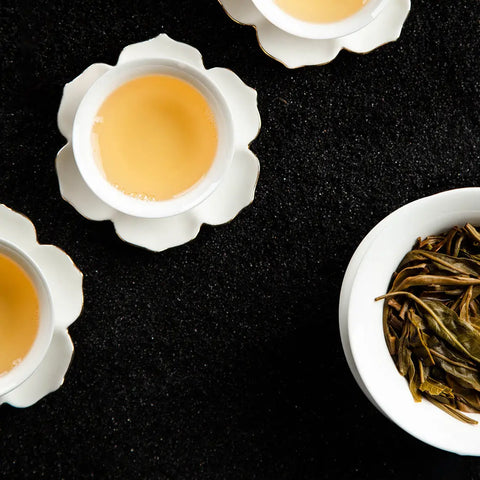
To start making sage tea, you'll need a handful of tools. Gather these items before you begin:
Before you begin, ensure your equipment is clean to avoid any unwanted flavors in your tea.
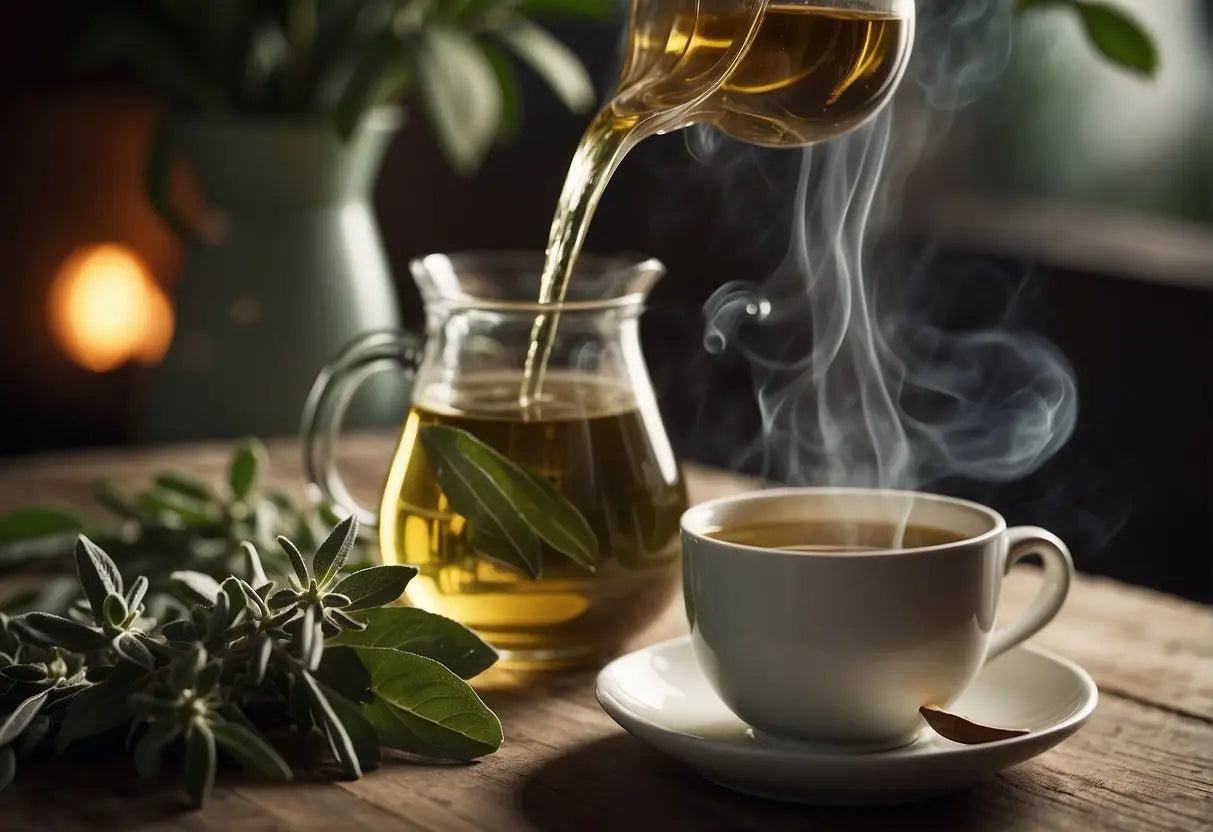
Crafting a great cup of sage tea involves careful selection of leaves, precise water boiling, attentive steeping, and correct serving techniques.
To ensure a fresh and aromatic cup of tea, select high-quality, fresh sage leaves. If using garden sage, pick leaves that are vibrant green without any dark spots. Ideally, 2 to 3 large leaves or 4 to 5 smaller ones will suffice for one cup.
Bring water to a boil in a kettle. For one cup of sage tea, measure approximately 8 ounces (1 cup) of water. Once boiling, transfer the water into your teapot or mug to preheat it, which helps maintain the temperature during steeping.
Place the sage leaves into the preheated teapot or mug. Pour the boiling water over the leaves. Cover and let them steep for about 4 to 5 minutes. For a stronger flavor, you can steep for up to 10 minutes.
After steeping, remove the sage leaves to prevent over-extraction, which can cause bitterness. Strain the tea into a cup using a fine mesh strainer. Serve the tea hot, and if desired, enhance with a teaspoon of honey or a slice of lemon for added flavor.
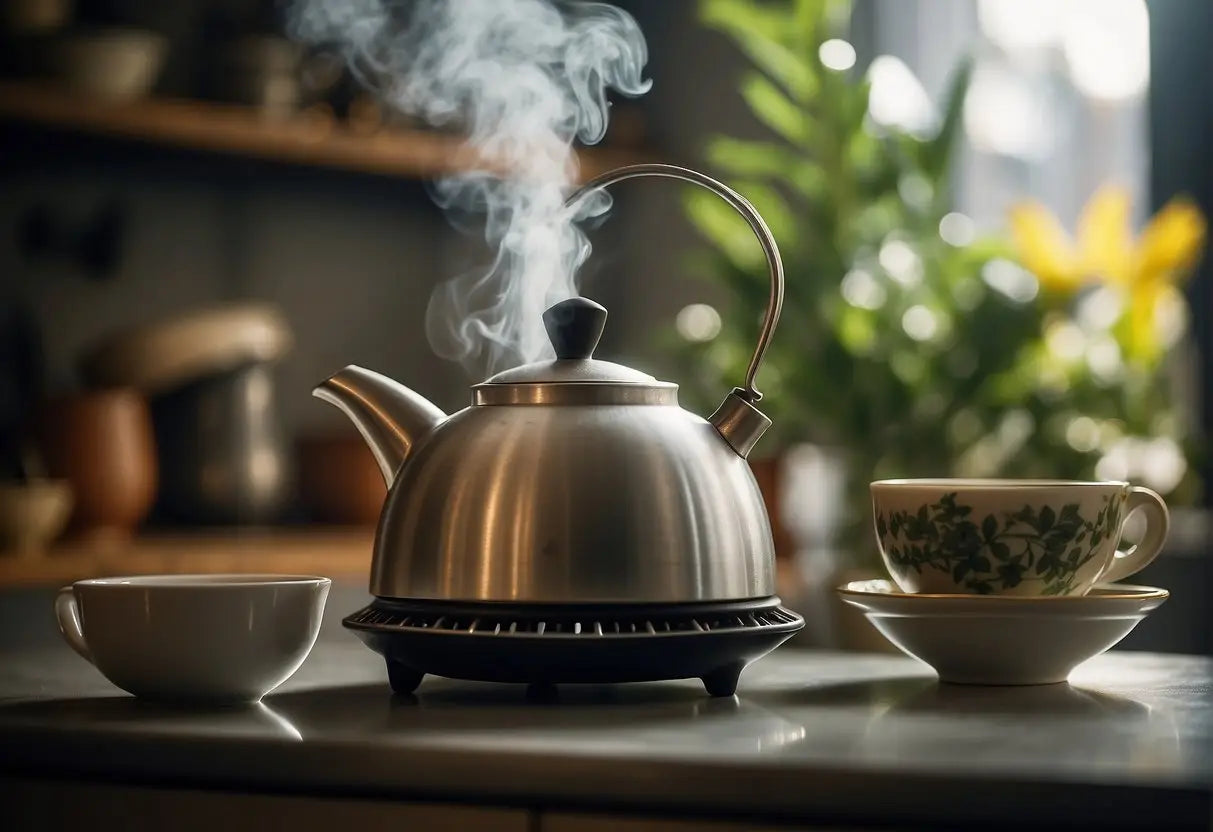
When preparing sage tea, the steeping time and water temperature are crucial for extracting the best flavor.
Temperature: Use water that is about 185°F to 200°F. This is below boiling, which is 212°F, to prevent burning the delicate leaves, which can produce a bitter flavor.
Steeping Time:
Instructions:
| Desired Strength | Steeping Time |
|---|---|
| Light Flavor | 5-8 minutes |
| Stronger Tea | 10-15 minutes |
To ensure optimal results, do not exceed the 15-minute mark, as it may result in a very strong and potentially overpowering flavor. Adjust the steeping time according to your taste, and enjoy your freshly brewed sage tea.
Exploring variations of sage tea can enhance your drinking experience by introducing new flavors unique to each addition.
For a touch of natural sweetness, you can add honey to your sage tea. Simply stir in 1 to 2 teaspoons of honey after steeping 1 tablespoon of fresh sage leaves in hot water for about 5 minutes.
Adding lemon brings a refreshing, bright zest to your sage tea. Include a slice of lemon or 1 tablespoon of fresh lemon juice during the steeping process to infuse the citrus flavor.
Combine sage and peppermint to create a revitalizing tea blend. Use 1 tablespoon each of fresh sage and peppermint leaves. Steep in boiling water for about 5 minutes before straining to achieve a minty, aromatic flavor.
When preparing sage tea, your health and safety are paramount. It's important to understand the best practices for consumption and be aware of any possible interactions with medications you may be taking.
Always consult with a healthcare provider before adding herbal teas to your routine, especially if you have existing health conditions or are on medication.
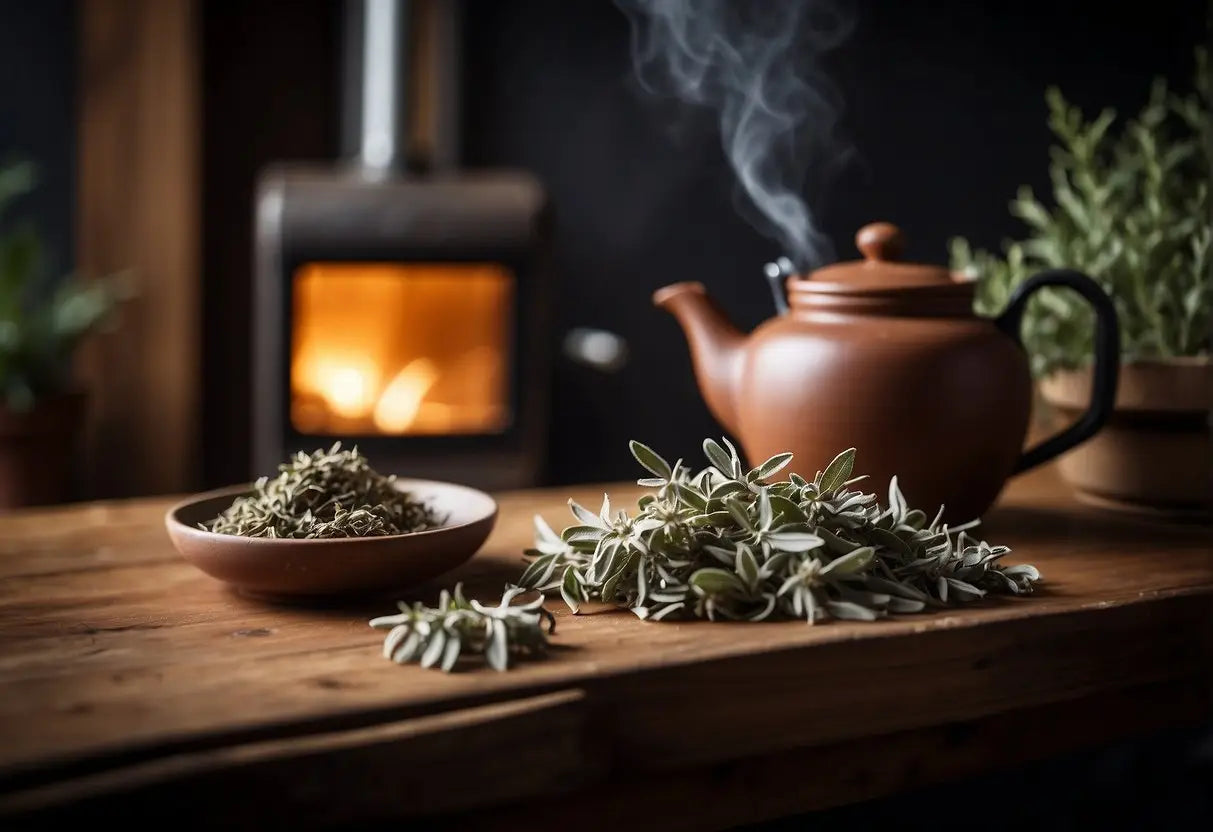
When you've brewed a delightful batch of sage tea, proper storage is key to maintaining its freshness and potency. Here's how to store your sage tea:
Refrigerated Storage:
Freezing Option:
| Storage Method | Container Type | Maximum Freshness |
|---|---|---|
| Refrigerated | Airtight container | 5 days |
| Frozen | Ice cube trays & bags | 2 months |
Room Temperature Storage:
Additional Notes:
By adhering to these guidelines, your sage tea will retain its quality and flavor, ensuring that your next cup is as enjoyable as the first.
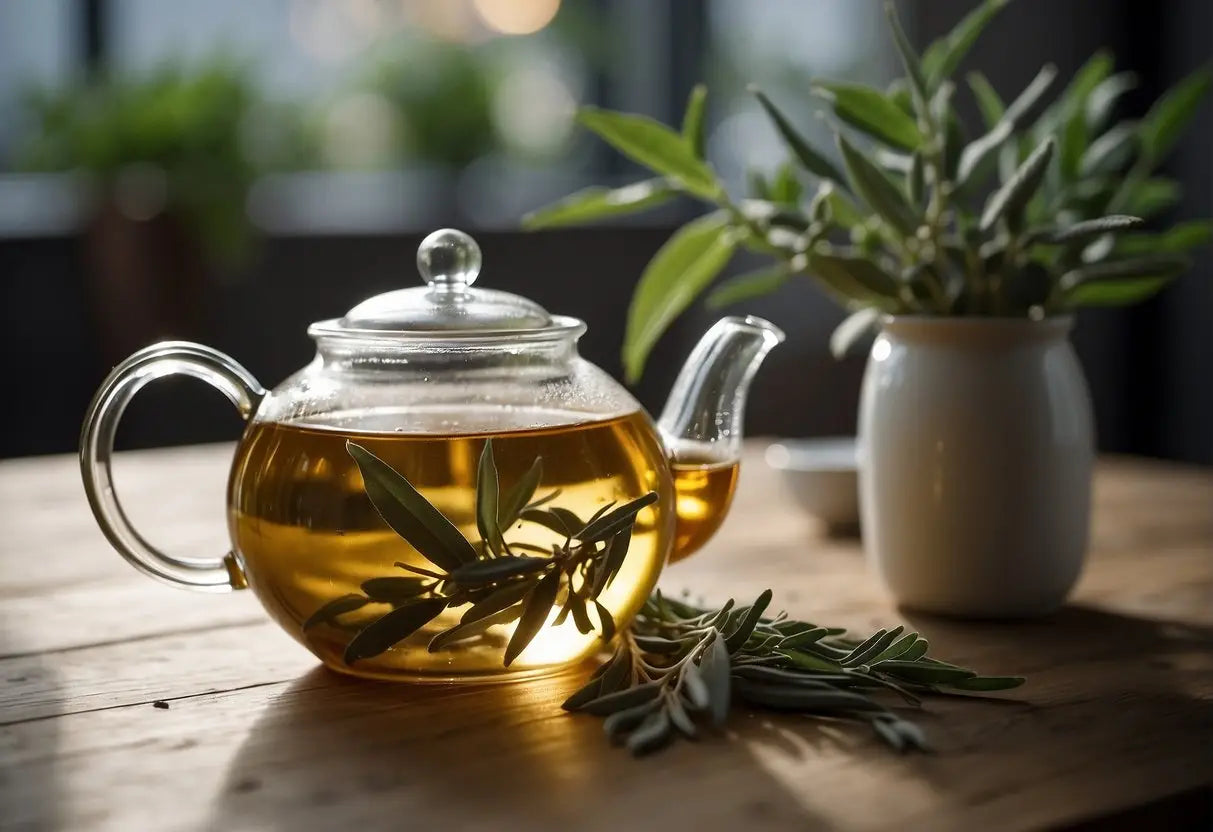
When indulging in homemade sage tea, complementing it with a few garnishes and pairings can enhance your tea-drinking experience. Here are some ideas:
Sweeteners: If you prefer a touch of sweetness, you can opt for honey or maple syrup. These natural sweeteners blend seamlessly.
| Sweetener | Quantity |
|---|---|
| Honey | 1 teaspoon |
| Maple Syrup | 1 tablespoon |
Citrus Notes: A slice of lemon or a dash of lemon juice can add a refreshing zest to your sage tea.
Fresh Herbs: Accent your tea with a sprig of fresh mint or a cinnamon stick for added complexity and aroma.
Temperature: Sage tea can be served hot or iced. For a refreshing summer beverage, chill the tea and add a few ice cubes.
Your sage tea pairs well with light biscuits or crackers. This can balance the inherent earthy flavor of sage and create a harmonious taste profile.
Remember, the key to the best experience with sage tea is to start with fresh ingredients and adjust additions to suit your personal preference. Enjoy your tea solo or as a calm accompaniment to a quiet moment.
This article is general information about tea, not medical advice. If you're pregnant, breastfeeding, taking medication or managing a health condition, please talk to your doctor before changing what you drink.

Every tea page at cspuerh.com now has tasting reviews. Score a tea on the five factors from the Pu'er Tea Association's 2026 standard, get a weighted score out of 100, and describe it with 95 defined tasting words. Simple mode takes about three minutes.

The 95 tasting terms in the Pu'er Tea Association's 2026 quality standard, in English and Chinese — aroma, liquor color and taste, plus how the standard scores a pu'er.

What really drives pu-erh prices, from mountain fame and old-arbor leaf to processing and years of storage, and how to find good value without overpaying.

Shop our premium Pu Erh tea collection—available in both ripe and raw varieties! Pu-erh tea, a beloved fermented variety from...

Shop our Pu Erh tea collection, available in both ripe and raw varieties! Pu erh tea, with its rich history...

Shop our premium Pu Erh tea collection—available in both ripe and raw varieties! In the misty mountains of Yunnan Province,...