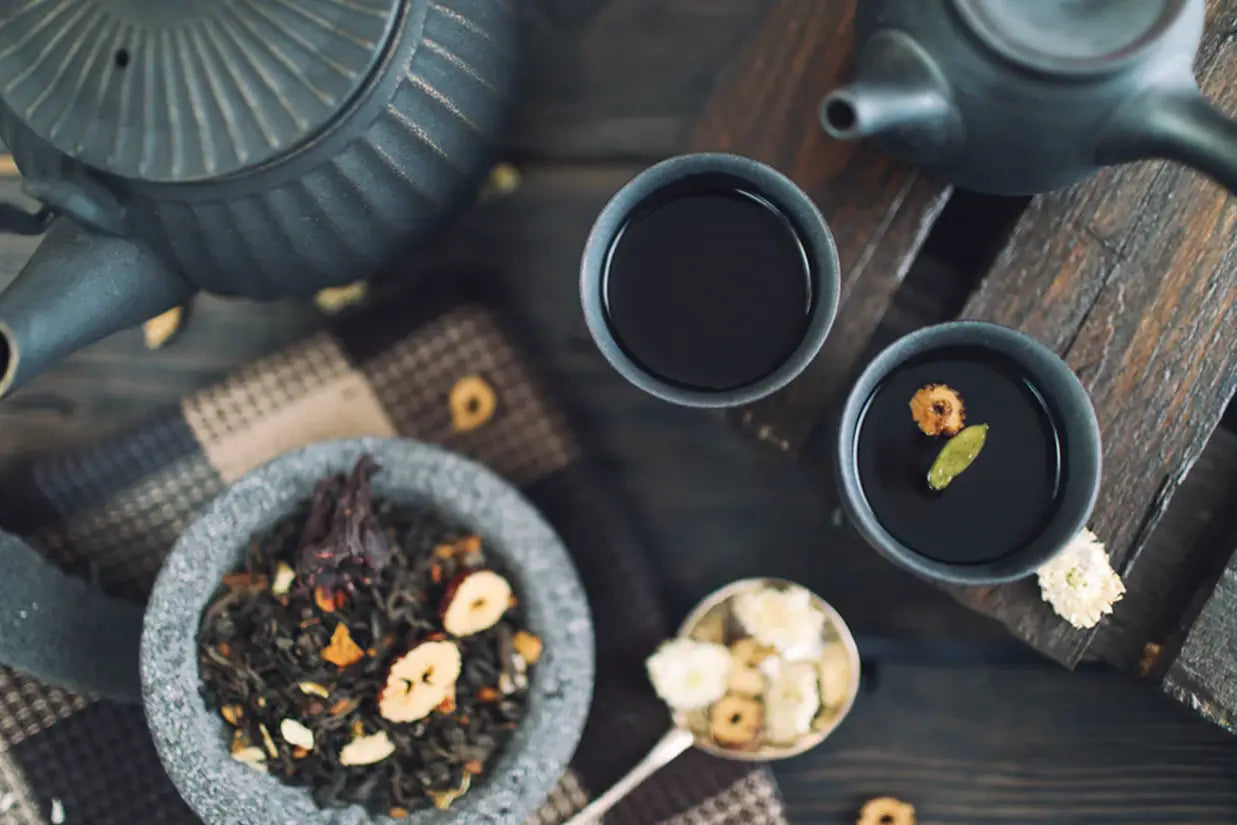
If you have ever visited a Chinese teashop, you will notice a wide variety of teas to sample. On the other hand, authentic Chinese teas originate from the Camellia sinensis tree and are divided into different kinds, each of which is distinct.
(Source: Unsplash.com)
Tea consumption is an integral aspect of Chinese culture. China is the world's first tea producer and is known for its expertise in tea cultivation and production. Tea drinking practices developed throughout Europe, America, and many other countries due to cultural interchange along the old Silk Road and trade routes. In the history of modern civilization, the Chinese people have left a remarkable record for their tea culture.
Now that the world is exposed to the rich Chinese tea culture, more people in the West are spending money to experience different Chinese teas. So, if you are wondering what these Chinese teas are and why they are popular, this article will give you the answer.
Here are the five most famous Chinese teas in the West:
-
Green Tea
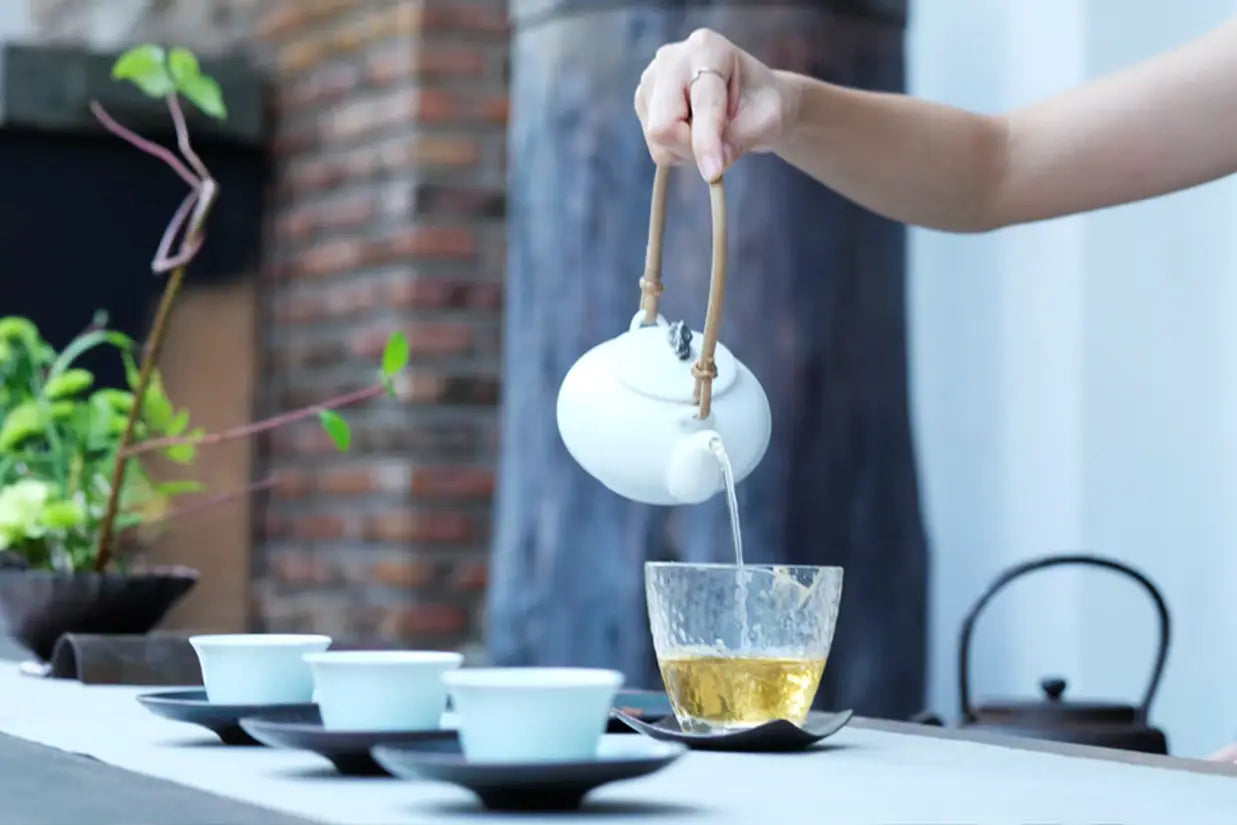
Green tea is one of the West's most famous Chinese teas. Green tea is one of the earliest types of Chinese tea and the most widely manufactured. The tea leaves have not been withered or oxidized. Tea leaves are carefully steamed, fried, and sun-dried to eliminate the moisture and draw out the smell. Green tea is popular in the West because of its mellow, smooth, sweet, flowery, and fruity flavour and scent. Many people also enjoy its light body and moderate caffeine, which make it an easy everyday cup. Green tea contains polyphenols such as catechins, which give it its fresh, slightly astringent edge.
(Source: Unsplash.com)
Green teas famous in the West include:
- Bi Luo Chun tea.
- Xinyang Mao Jian tea..
- West Lake Longjing (Dragon Well Tea) tea.
- Huangshan Maofeng tea.
- Lu'an Melon Seed tea.
-
Pu Erh Tea
Pu Erh tea is an oxidized and aged tea grown in Yunnan province. After being dried and rolled, the leaves are fermented. Pu Erh tea is processed and marketed as confections that look like buns or little cakes. Pu Erh tea is stored away from direct sunlight, in clean and airy conditions, so it can keep aging slowly. Like good red wine, the worth of Pu Erh tea increases over time. Pu Erh tea is famous in the West because it has a long-lasting scent, a robust and mellow flavour, amber or orange soup, and the tea leaves can be steeped multiple times. Pu Erh is also popular with collectors, because well-stored cakes keep changing for years, and with everyday drinkers who enjoy a smooth, earthy cup of ripe Pu Erh after a rich meal. Chen Sheng Hao has been making Pu Erh in Menghai, Yunnan, since 2007; you can explore our Pu Erh tea collection.
(Source: Unsplash.com)
-
Oolong Tea
Another well-known tea in the West is oolong. It is a semi-fermented tea, yet the ending procedure is similar to green tea. This variety of tea, mainly grown in Taiwan, Fujian, and Guangdong, falls between black and green tea. It is withered, damaged, and oxidized to some extent. It contains green tea's fresh, crisp flavour and black tea's deep, sweet scent. Oolong is loved for its range: lightly oxidized oolongs taste floral and creamy, while darker, roasted oolongs are toasty and mineral. That variety, and the way good oolong can be steeped many times, has contributed to its international recognition. Wuyi Rock Tea is a popular oolong tea kind all over the world. Because it has the subtle aroma of green tea and the smooth and sweet flavor of black tea, Wuyi rock tea is considered the best quality of oolong tea. It has a bent front that looks like a dragonfly's head and is brownish with metal grey undertones.
-
Black Tea
The most extensively manufactured and consumed tea is black tea, also known as hong cha or red tea, which is also the most well-known among westerners. This tea is highly oxidized, withered, and even sometimes pulverized. While it is frequently alluded to as black tea in English, the Chinese call it red tea since the aqueous beverage is red. Black tea is aged rather than steamed or fried, triggering biochemical processes and changing the colour. Black tea was initially introduced during the Qing dynasty, and by the end, it had become the most popular form of tea sent to Europe and America. In Western societies, black tea is frequently consumed with milk, cream, sugar, sweetener, lemon, or honey. Keemun black tea, also known as Qimen black tea, is one of Europe's most well-known black teas. This tea is known as the "Queen of Black Tea" and is a favourite of the British royal family. Kung Fu Tea is a black tea with a tight, narrow, upright shape and a deep, vivid hue. This well-known Chinese tea brews a smooth, malty cup with notes of cocoa and dried fruit.
-
White Tea
White tea, also known as bai cha, has the least amount of tea processing. White tea was traditionally plucked only a few occasions a year in China when fine white hairs developed on the delicate plants. Tea leaves are permitted to wither and then dried to avoid oxidation. White Chinese tea passes through the same method as green tea. Because it is so lightly processed, white tea keeps much of the fresh, delicate character of the leaf.
(Source: Unsplash.com)
White Peony and White Hair Silver Needle, both grown in Fujian, are excellent examples of white tea. The scents and tastes of the tea are subtle. White Silver Needle is the most luxurious form of white tea, and as a result, it is the most famous in the West. White tea is light, sweet, and pleasant. Because the flavour of this tea is relatively mild, it is preferable not to combine it with spicy dishes. Aged white tea, especially pressed cakes of White Peony, is also gaining fans for its honeyed, dried-fruit notes.
Final Thoughts:
Many people associate China with tea. Tea is thought to have originated in China as early as 1600 BC, according to various anthropologists. Tea's flavour and cultural importance have been extensively recognized domestically and overseas since then, and tea farms have sprung up across China's south. The drink has grown so culturally engrained worldwide, particularly in Western countries, that drinking tea cannot be avoided.
The five Chinese teas listed above are now top-rated in the West. This article is your sign if you're considering tasting Chinese tea today. Enjoy yourself while learning about Chinese culture like a local!
References:
- China Educational Tours. 2020. Types of Chinese Tea. Retrieved from: https://www.chinaeducationaltours.com/guide/culture-chinese-tea-types.htm. Retrieved on 10 June 2022.
- China Travel. 2019. Top 10 Chinese Tea. Retrieved from: https://www.chinatravel.com/culture/chinese-tea/top-10-chinese-tea. Retrieved on 10 June 2022.
- Sapore Di Cina. 2022. The 7 Classes of Chinese Tea and the 10 Most Famous Brands. Retrieved from: https://www.saporedicina.com/english/classes-of-chinese-tea/. Retrieved on 10 June 2022.
- The Culture Trip. 2017. 10 Most Popular Types of Tea in China. Retrieved from: https://theculturetrip.com/asia/china/articles/10-most-popular-types-of-tea-in-china/. Retrieved on 10 June 2022.
- Travel China Guide. 2021. 10 Best Chinese Tea. Retrieved from: https://www.travelchinaguide.com/best-chinese-tea.htm. Retrieved on 10 June 2022.
This article is general information about tea, not medical advice. If you're pregnant, breastfeeding, taking medication or managing a health condition, please talk to your doctor before changing what you drink.


